View methods side by side.
Choose up to four methods. Add them using the search and share the comparison by copying its link.
| Criterion | 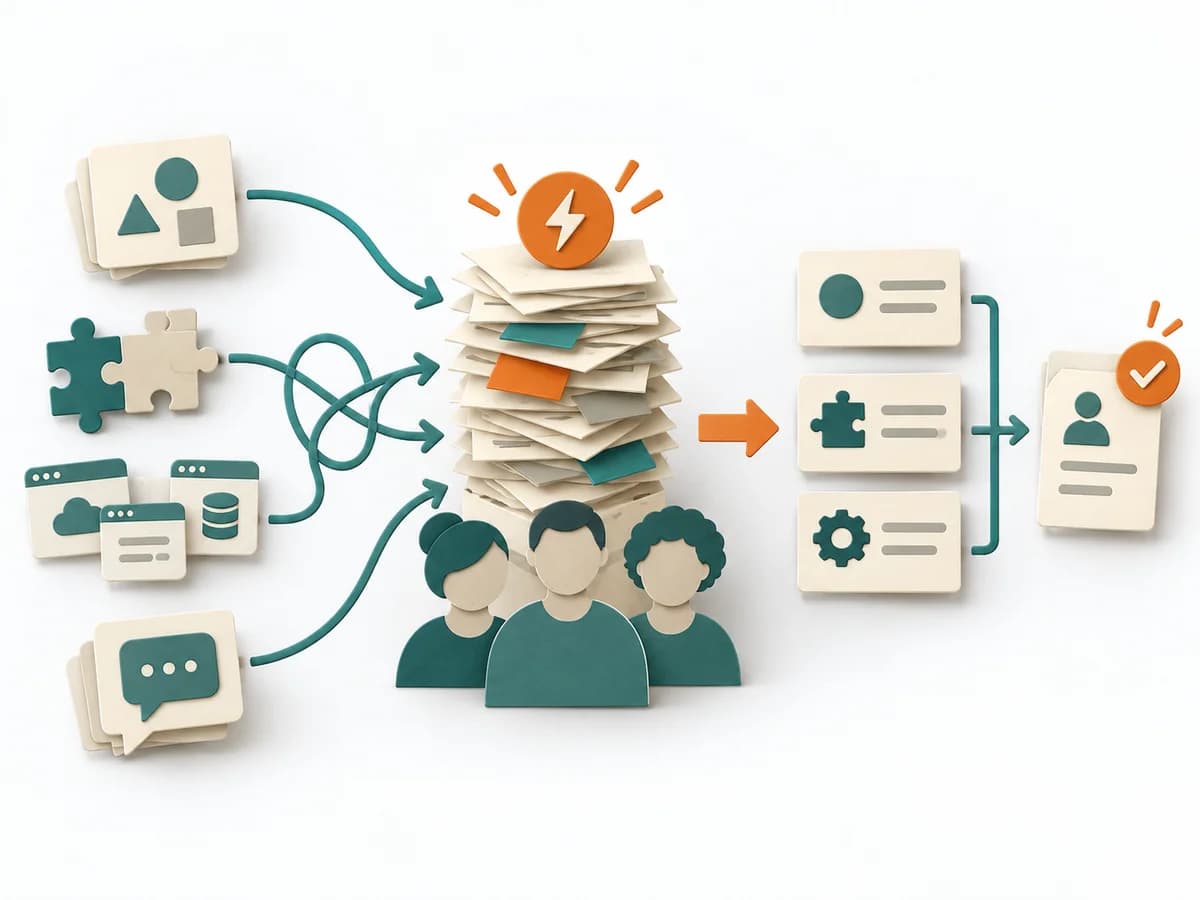 Team Design Team Cognitive Load Assessment |  Agile 4Ls Retrospective |  Operations After-Action Review | 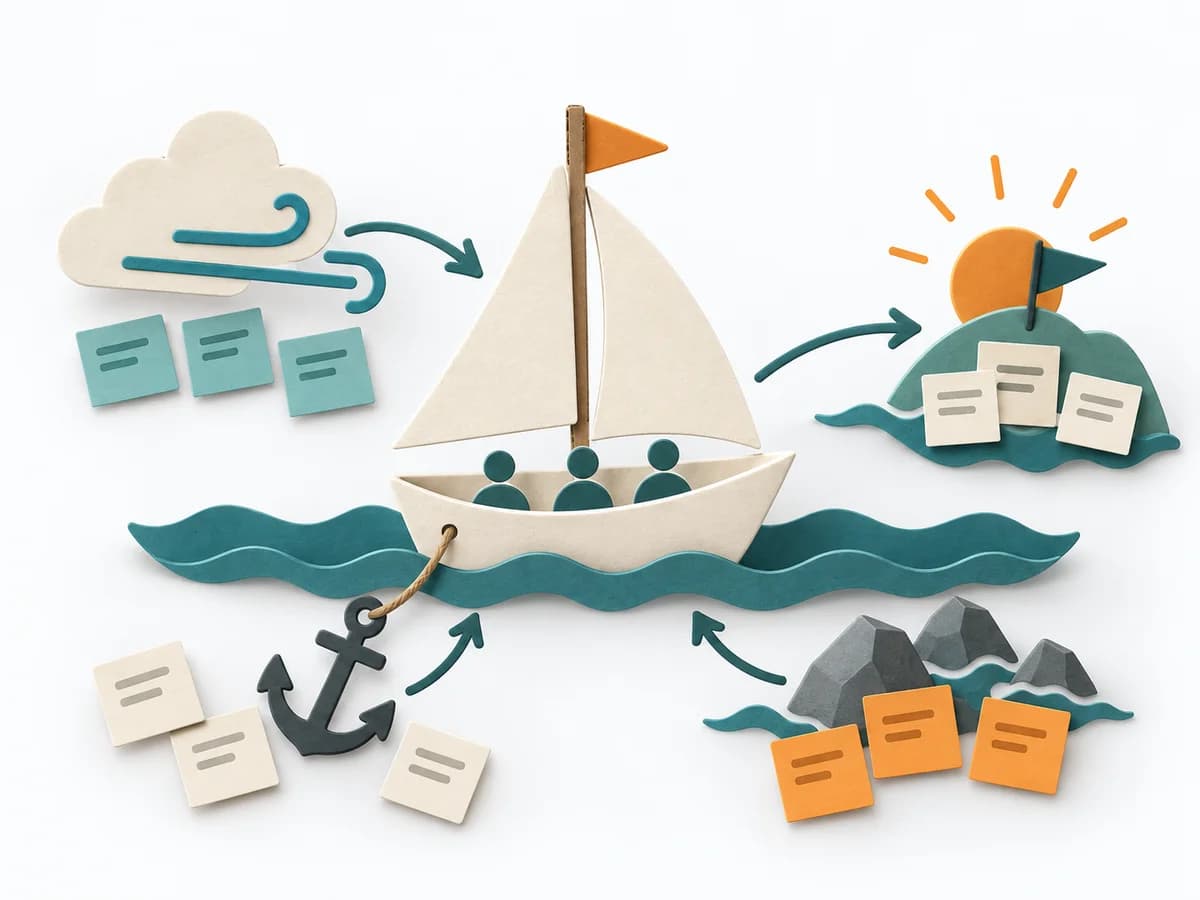 Agile Sailboat Retrospective |
|---|---|---|---|---|
Purposedifferent | When a team juggles too many domains, systems, or handoffs, it measures mental overload as an organizational problem. It clarifies responsibility, interaction, and load between teams. The result is captured as a cognitive-load profile and action list. | When a sprint should not only be assessed but also learned from, it captures experience in clear learning categories. It records what worked, what's missing, and what should run differently next time. | After missions or project phases with unclear outcomes, the method makes visible what actually happened and what can be learned from it. It separates course, effect, and causes so experience turns into solid improvement. | When a team wants to read momentum, brakes, and risks together, it offers an easily understandable picture of the situation. It makes drive, obstacles, and headwind visible in the same picture. |
Complexitydifferent | Medium | Low | Low | Low |
Timedifferent | 60-90 min | 45–75 min | 20-45 min | 45-90 min |
Participantsdifferent | 3-12 | Team members involved | 3-12 | 4-12 |
Formatdifferent | Workshop + async | Workshop | Workshop + async | Workshop |
Outputdifferent | Cognitive Load Profile, Action List | 4Ls Board, Learning Themes, Improvement Actions | Lessons learned, Action items, Event summary | Sailboat Board, Risks, Improvement Actions |
Tagsno overlap | TeamComplexityImprovementDiagnosis | RetrospectiveLearningReflectionTeam | LearningOperationsImprovement | RetrospectiveTeamImprovement |