View methods side by side.
Choose up to four methods. Add them using the search and share the comparison by copying its link.
| Criterion | 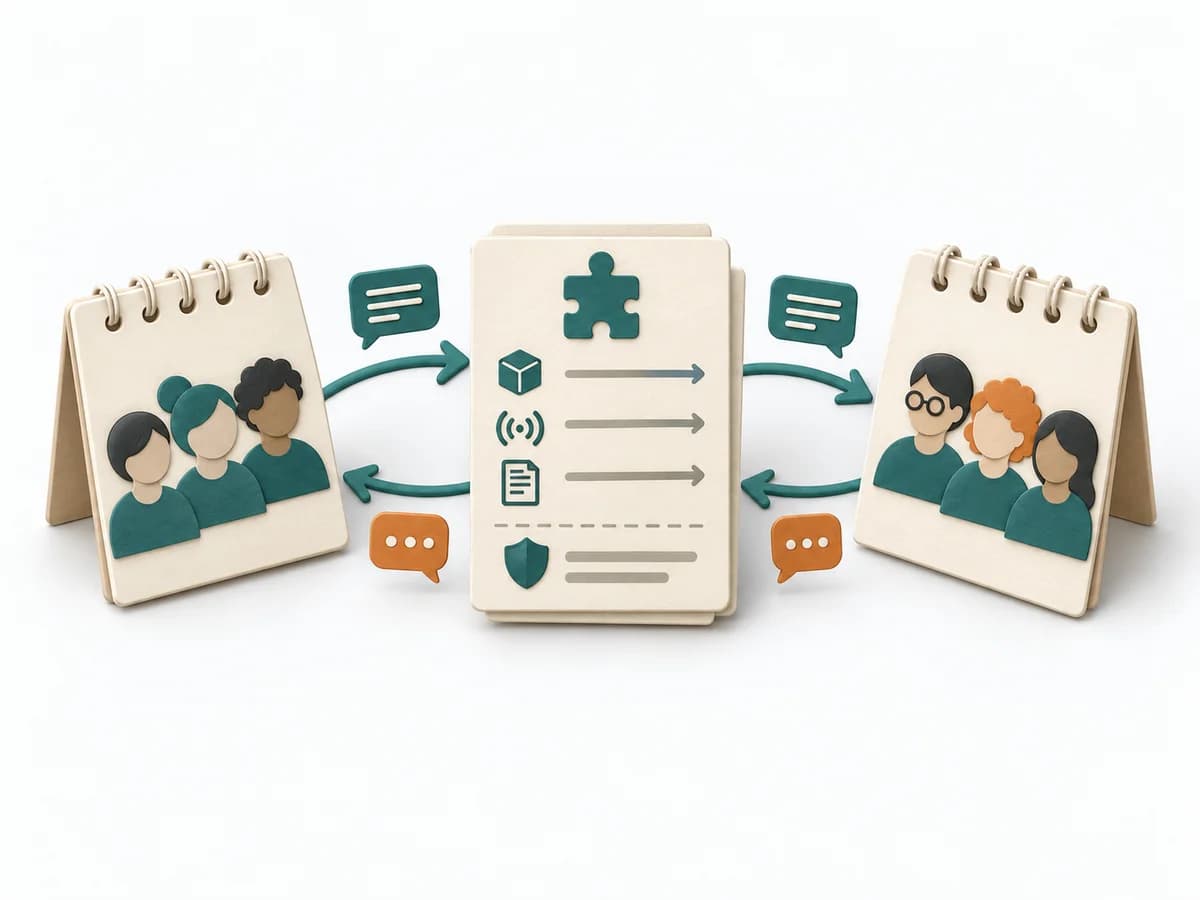 Team Design Team API | 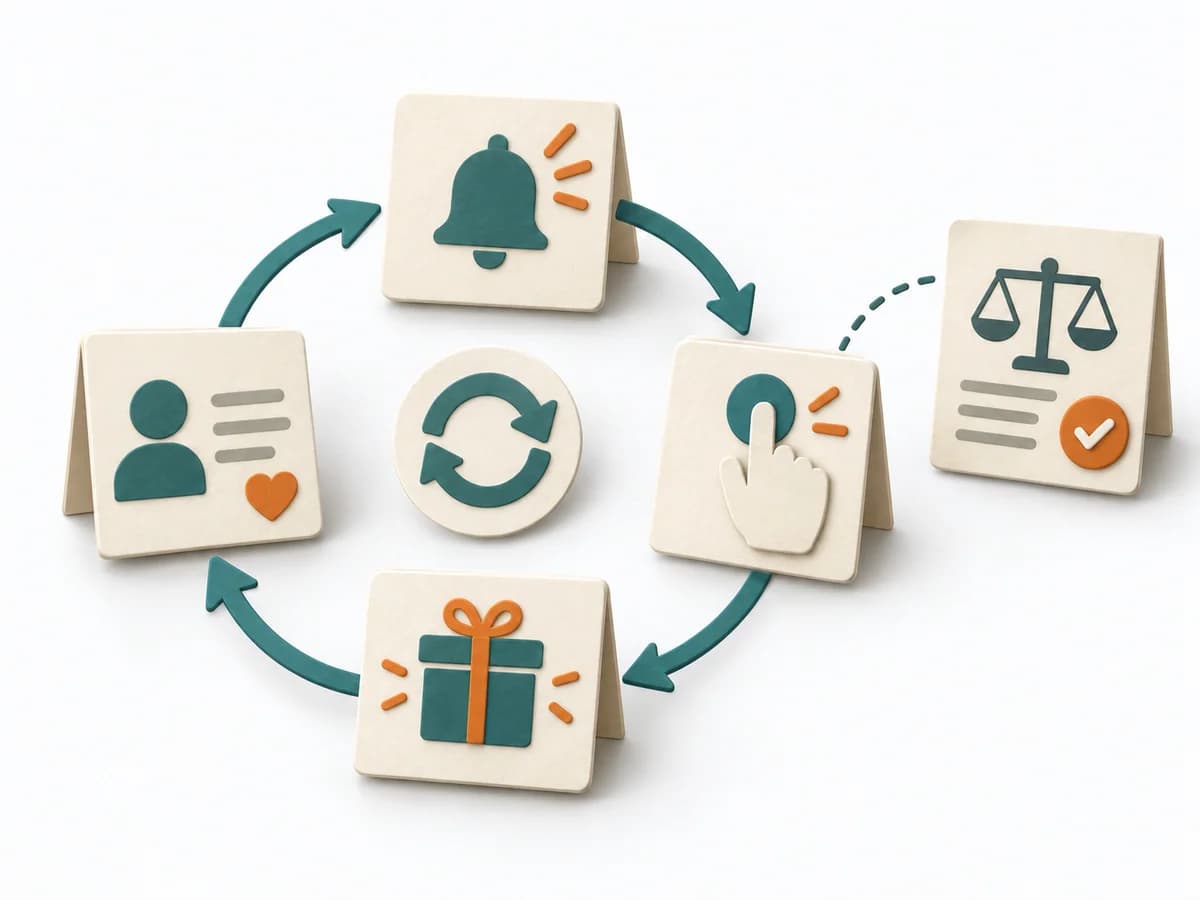 Growth Hooked Model |  Facilitation Stakeholder Mapping |  Facilitation Alignment Mapping |
|---|---|---|---|---|
Purposedifferent | When expectations between teams stay fuzzy, it describes how a team can be reached, used, and held accountable. It clarifies responsibility, interaction, and load between teams. The result is captured as a Team API document. | The Hooked Model helps clarify engagement loops, user behavior, and experiments. It makes repeat behavior measurable and captures the result as a hooked loop, trigger map, and reward design. | When an initiative depends on many people, interests, and power dynamics, Stakeholder Mapping systematically orders the environment. It shows who influences, who is affected, and where relationship management or safeguarding matters first. | When several people work toward one goal but hold different mental maps, Alignment Mapping makes the discrepancies visible. It arranges goals, assumptions, and priorities so shared direction becomes verifiable. |
Complexitydifferent | Low | Medium | Low | Medium |
Timedifferent | Half day initial, dann laufend | Multiple workshops over several weeks | 60–90 min | 1-2 h |
Participantsdifferent | Ein Team plus Stakeholder | 2-8 | 2-8 | 4-12 |
Formatdifferent | Workshop + async | Workshop + async | Workshop + async | Workshop |
Outputdifferent | Team API Document | Hooked loop, Trigger map, Reward design, Ethics check | Stakeholder Map, Engagement Plan, Risk Notes | Alignment Map, Open Issues, Decision Questions |
Tagsno overlap | TeamAlignmentCommunicationService | GrowthBehaviorRetention | StakeholdersAlignmentFacilitationChange | AlignmentStakeholdersStrategyFacilitation |