View methods side by side.
Choose up to four methods. Add them using the search and share the comparison by copying its link.
| Criterion | 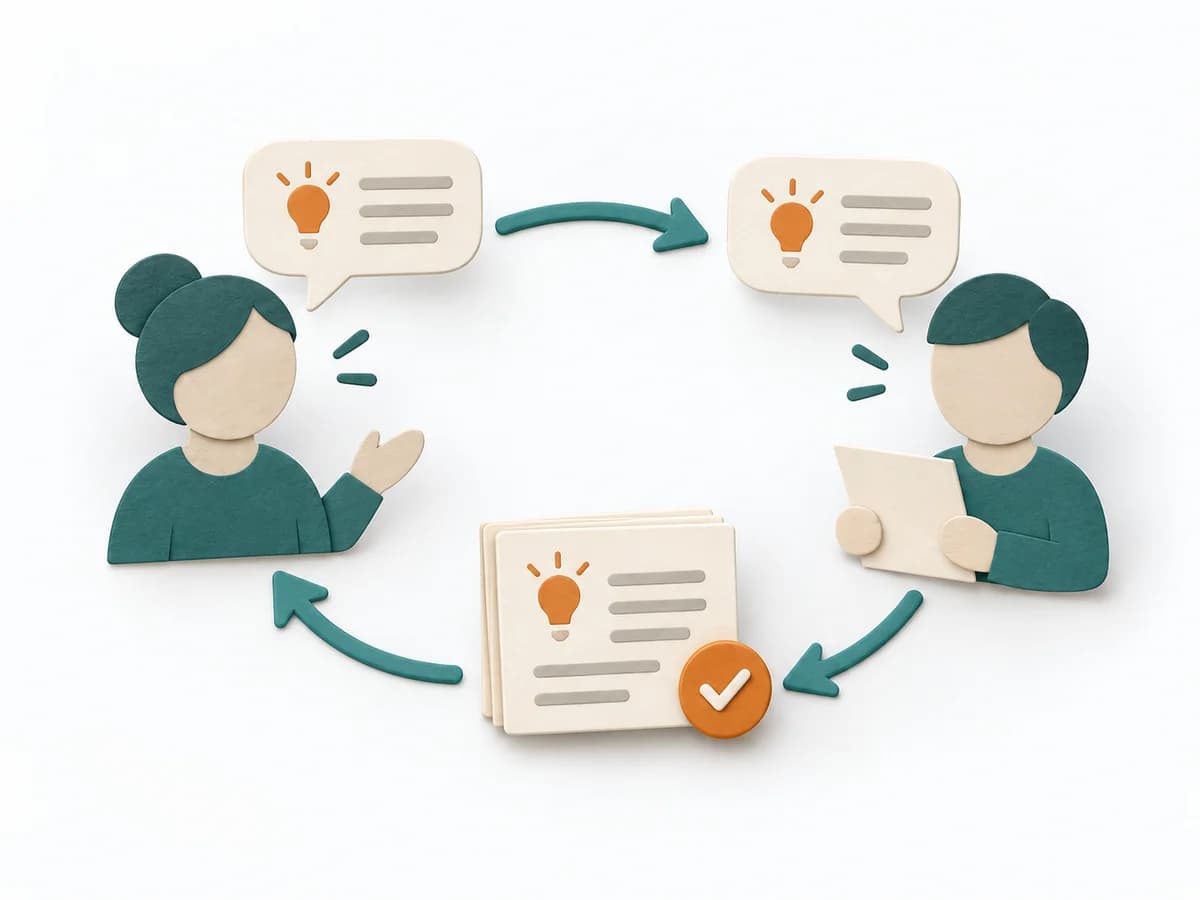 Knowledge Modeling Teach-back | 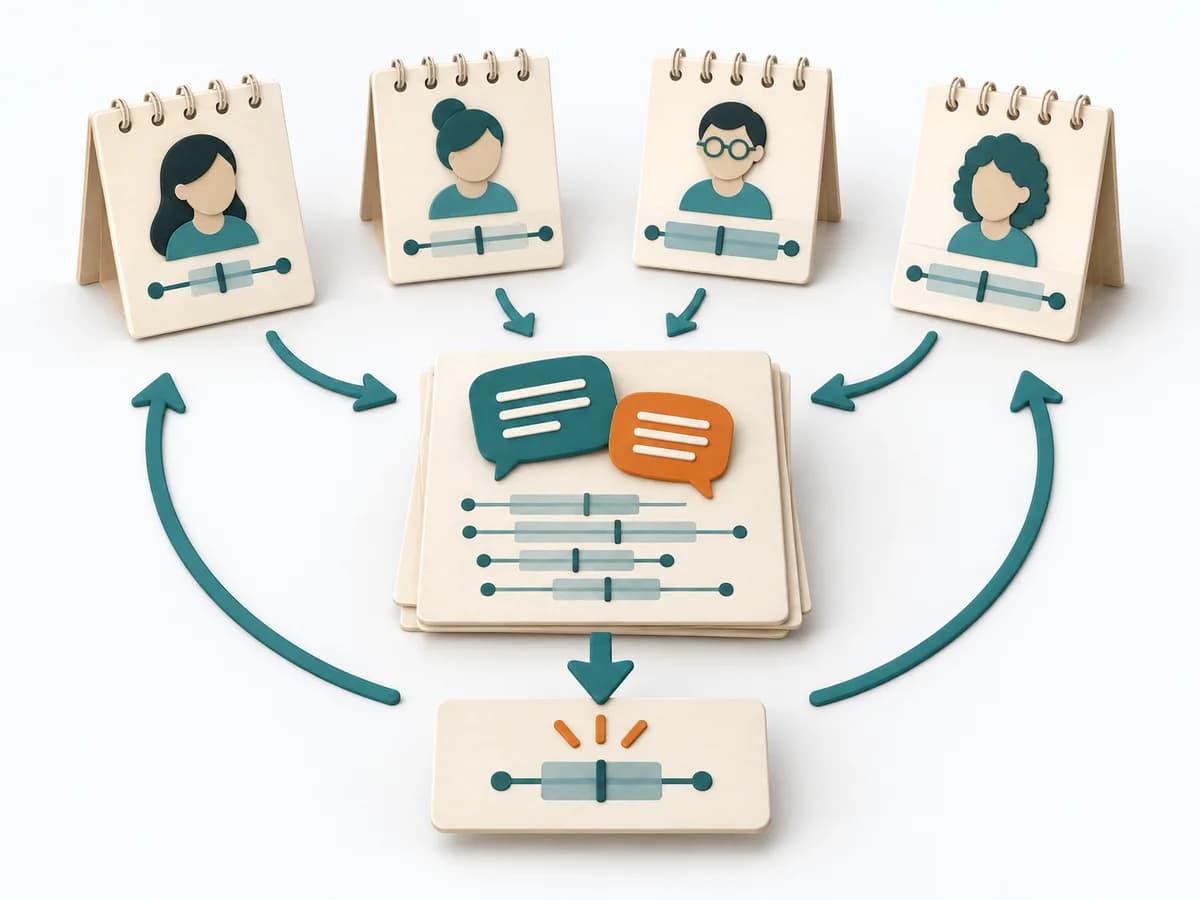 Decision Making Wideband Delphi |  Decision Making Delphi Method |  Decision Making Force Field Analysis |
|---|---|---|---|---|
Purposedifferent | Teach-back checks whether an explanation actually got through to the other person. The method makes misunderstandings visible early and strengthens shared understanding in advisory and learning situations. | A single opinion rarely holds up for planning when the future is genuinely uncertain. It separates options, evaluation criteria, and open risks. The result is captured as an Estimate Range, Assumption Log, and Expert Consensus Notes. | When knowledge is distributed and direct dominance should be avoided, groups quickly fall under the sway of their opinion leaders. The Delphi Method gathers assessments iteratively and gradually brings expert judgments closer together. | In change initiatives, supporting and restraining forces sit at the table at the same time. Force Field Analysis makes these tensions explicit and shows where change can be pushed forward by strengthening or relieving. |
Complexitydifferent | Low | High | High | Low |
Timedifferent | 5-20 min | 1-4 h or multiple rounds | 1-4 Wochen | 45-90 min |
Participantsdifferent | 2-8 | 4-12 Experten | 6-30 Experten | 3-12 |
Formatdifferent | Workshop + async | Workshop + async | Async | Workshop |
Outputdifferent | Understanding Check, Clarification Notes, Learning Gaps | Estimate Range, Assumption Log, Expert Consensus Notes | Expert Forecast, Consensus Range, Assumption Notes | Force Field Map, Change Levers, Risk Notes |
Tagsno overlap | LearningUnderstandingCommunication | EstimationExpertsForecasting | ForecastingExpertsDecisionStrategy | ChangeDecisionStrategy |