View methods side by side.
Choose up to four methods. Add them using the search and share the comparison by copying its link.
| Criterion | 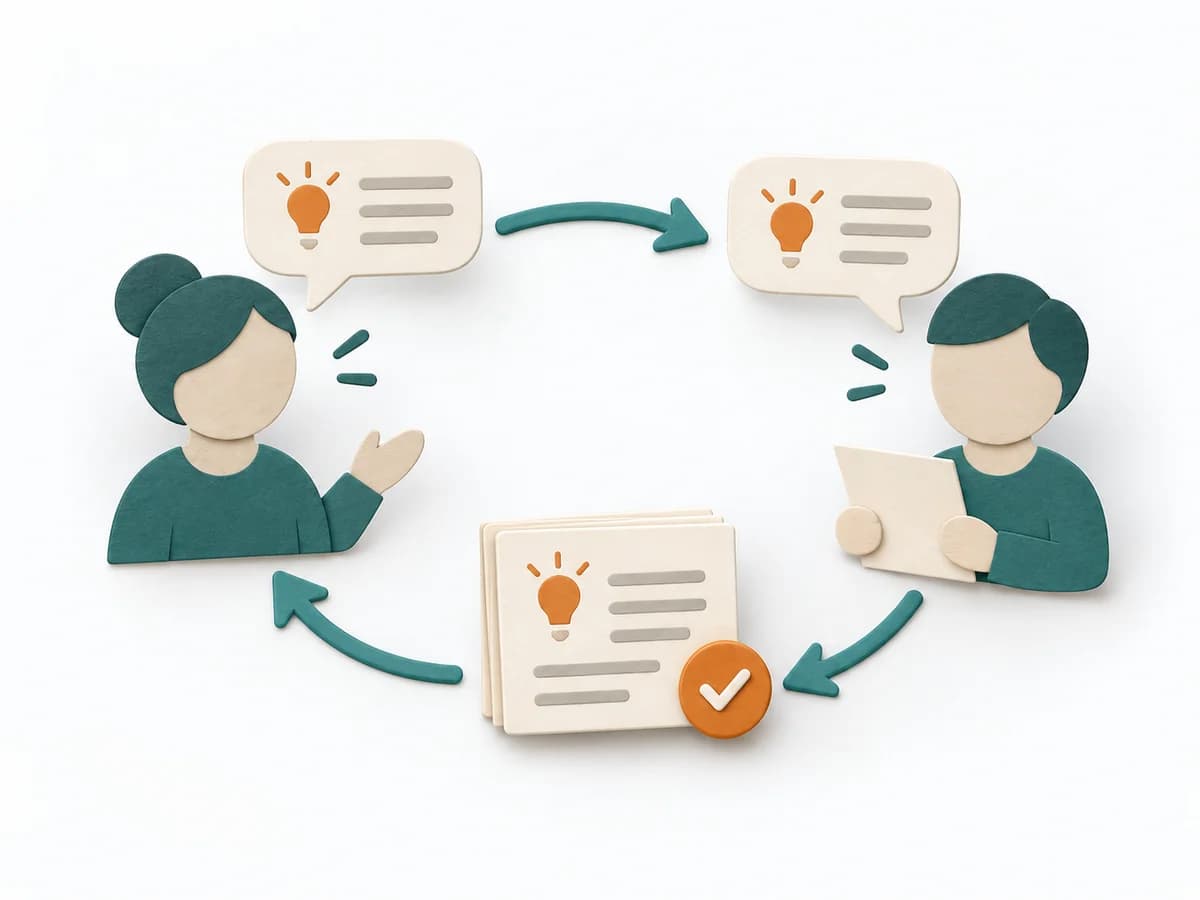 Knowledge Modeling Teach-back | 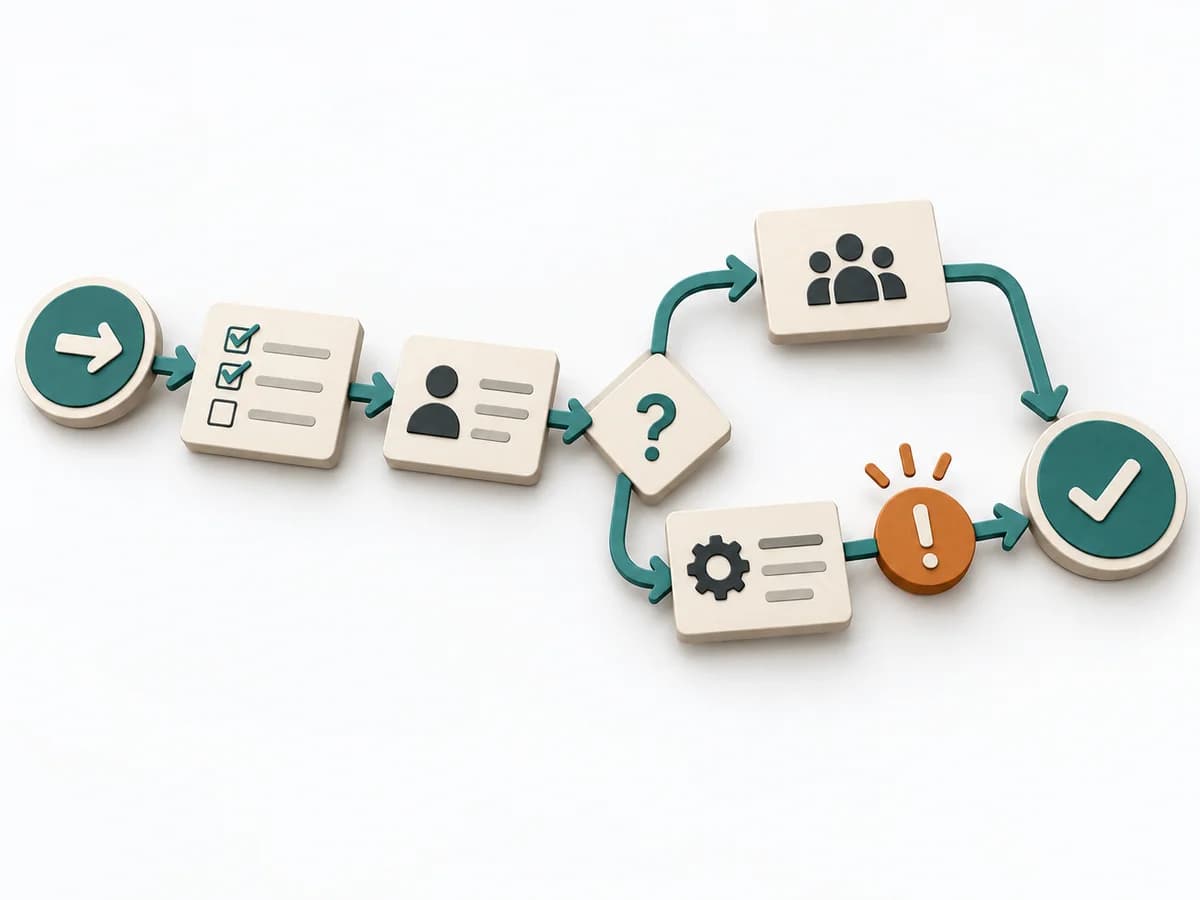 Operations Process Mapping | 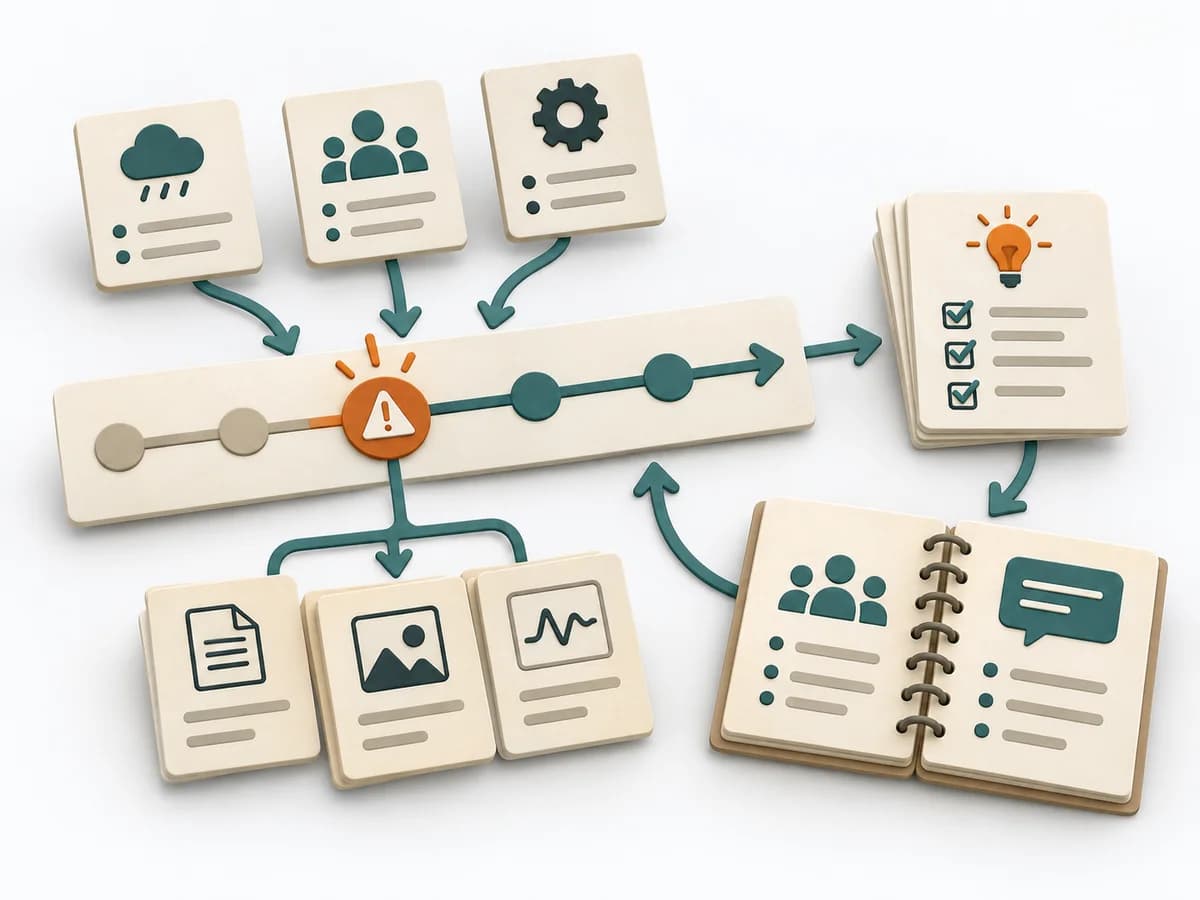 DevOps Blameless Postmortem | 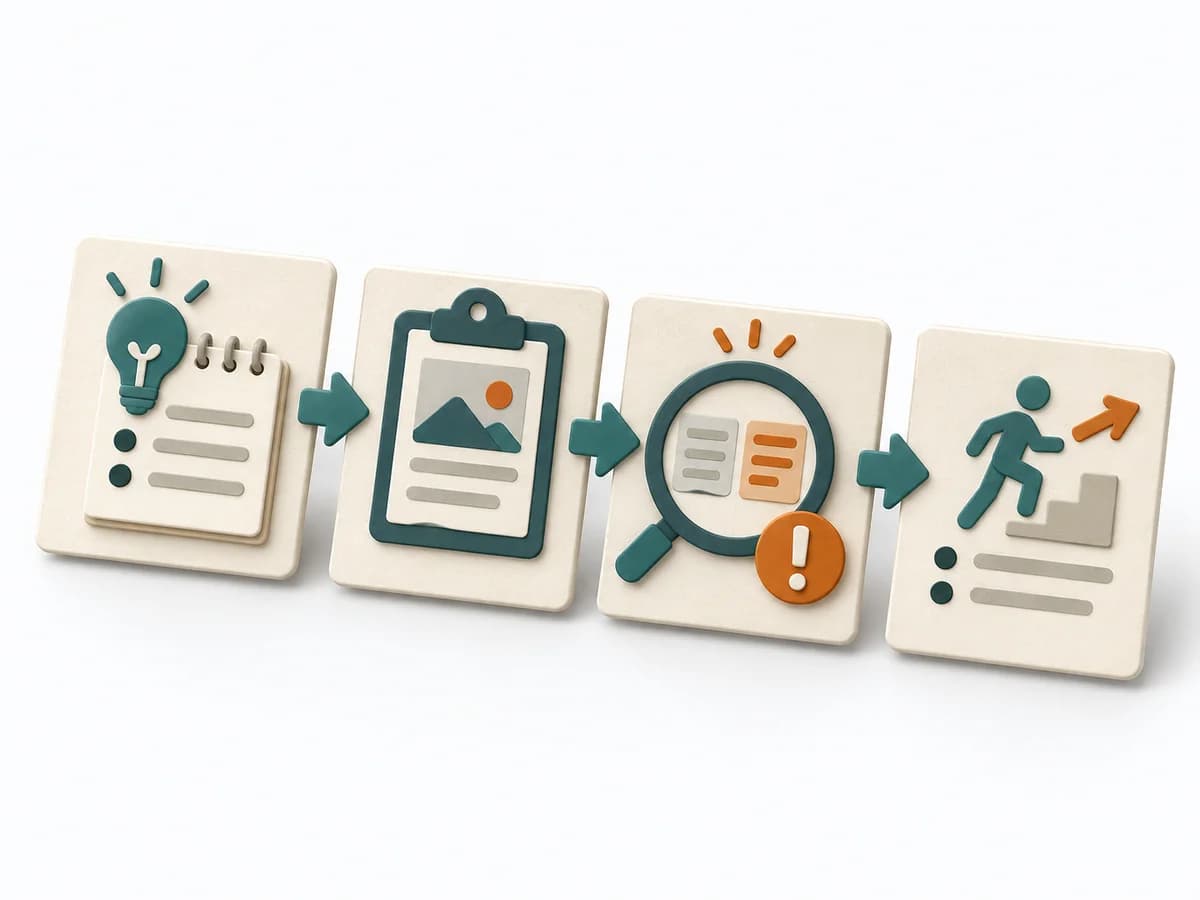 Operations After-Action Review |
|---|---|---|---|---|
Purposedifferent | Teach-back checks whether an explanation actually got through to the other person. The method makes misunderstandings visible early and strengthens shared understanding in advisory and learning situations. | With a confusing workflow that has many handoffs, the method makes the actual process visible. It shows where work is passed on, delayed, or duplicated, so improvement targets the right spots. | After an incident with damage or a near miss, the method creates a sober field for learning without assigning blame. It directs attention to the course of events, conditions, and effective countermeasures. | After missions or project phases with unclear outcomes, the method makes visible what actually happened and what can be learned from it. It separates course, effect, and causes so experience turns into solid improvement. |
Complexitydifferent | Low | Medium | Medium | Low |
Timedifferent | 5-20 min | 1-3 h | 30-90 min | 20-45 min |
Participantsdifferent | 2-8 | 3-10 | 3-12 | 3-12 |
Formatdifferent | Workshop + async | Workshop | Workshop + async | Workshop + async |
Outputdifferent | Understanding Check, Clarification Notes, Learning Gaps | Process Map, Handoff List, Improvement Backlog | Postmortem Doc, Action Items, Timeline | Lessons learned, Action items, Event summary |
Tagsno overlap | LearningUnderstandingCommunication | ProcessOperationsImprovement | Site Reliability EngineeringIncidentLearningReliability | LearningOperationsImprovement |