View methods side by side.
Choose up to four methods. Add them using the search and share the comparison by copying its link.
| Criterion |  Knowledge Modeling Teach-back | 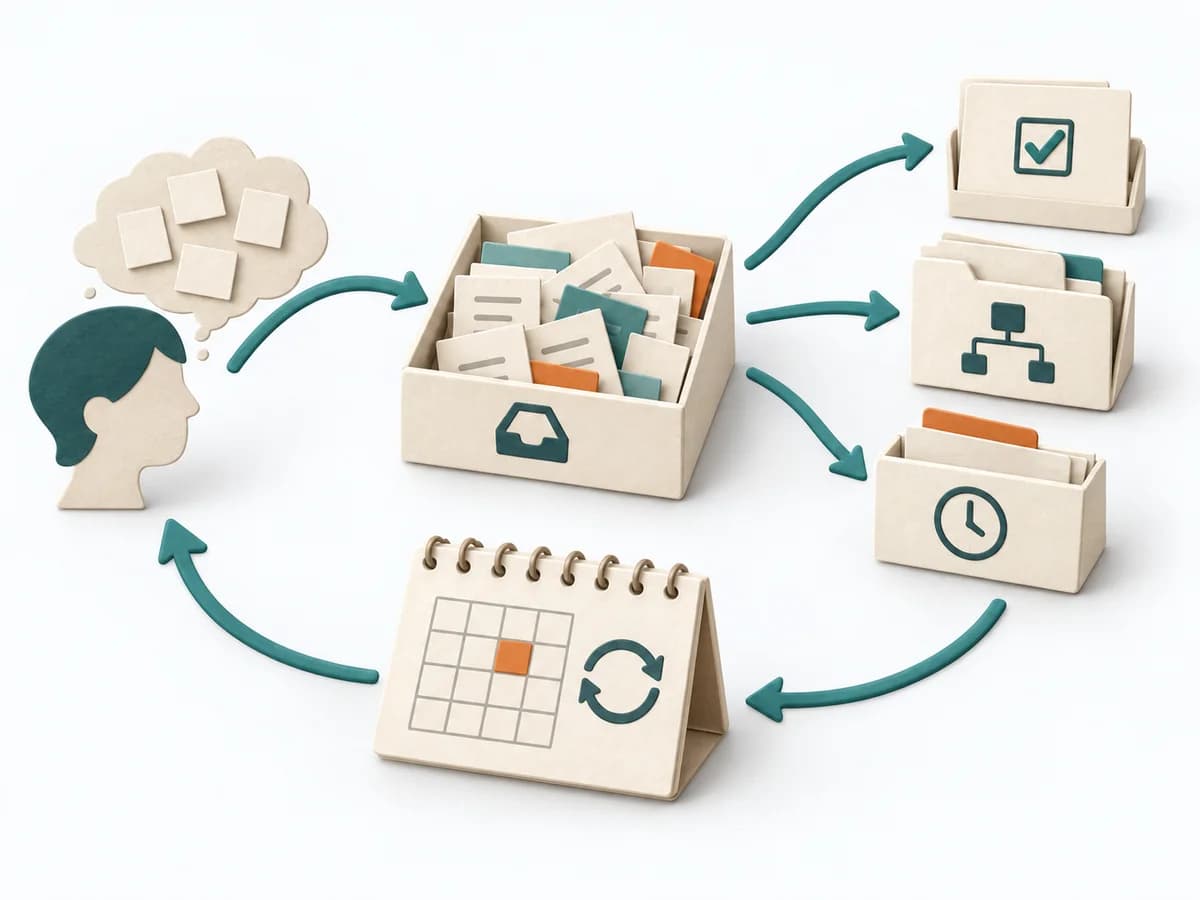 Operations Getting Things Done |  Operations After-Action Review | 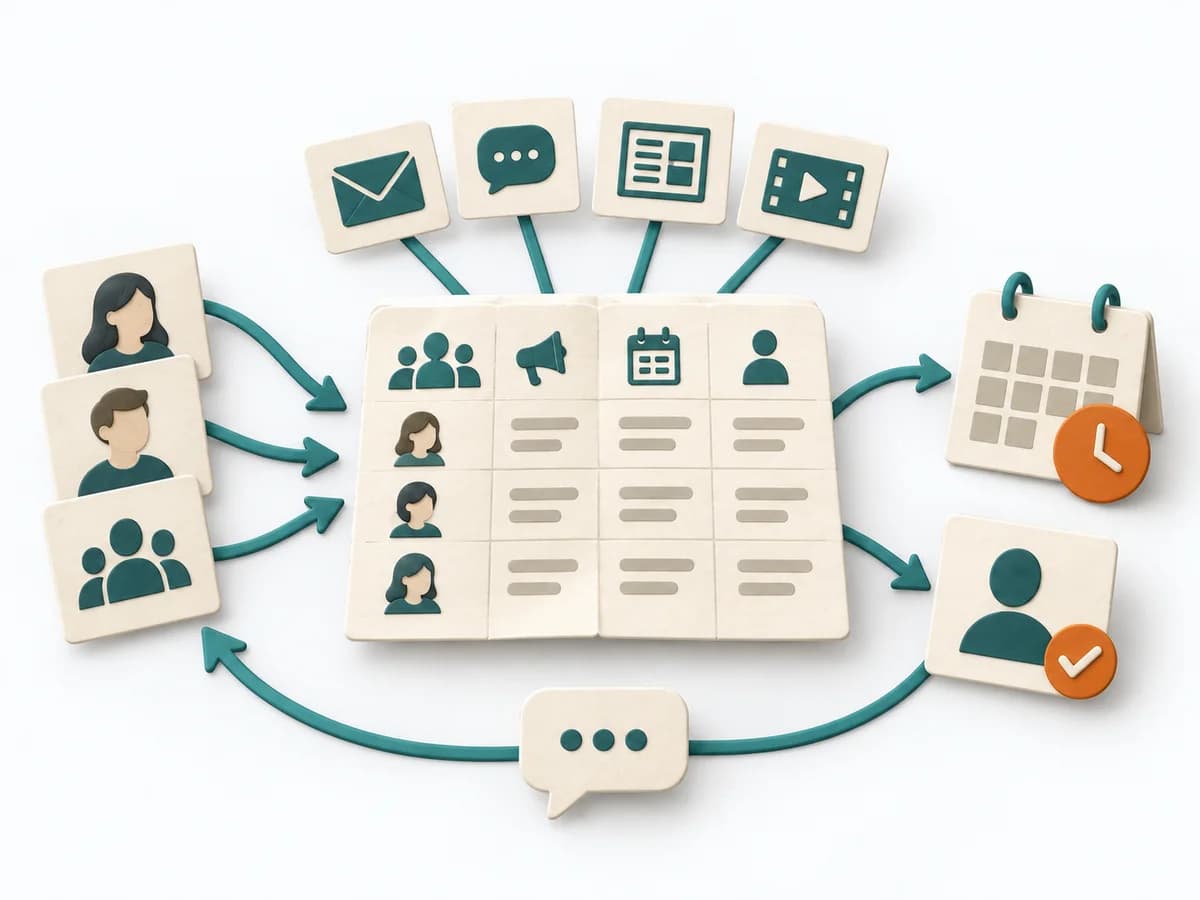 Delivery Communication Plan |
|---|---|---|---|---|
Purposedifferent | Teach-back checks whether an explanation actually got through to the other person. The method makes misunderstandings visible early and strengthens shared understanding in advisory and learning situations. | With many open commitments and ideas in daily life, a reliable external storage system emerges. The method relieves the mind so priority and context don't have to compete in memory. | After missions or project phases with unclear outcomes, the method makes visible what actually happened and what can be learned from it. It separates course, effect, and causes so experience turns into solid improvement. | When many people need to be informed in parallel and messages would otherwise arrive unevenly or too late, a Communication Plan orders communication reliably. Channels, audiences, and cadences interlock so important information doesn't get lost. |
Complexitydifferent | Low | Medium | Low | Low |
Timedifferent | 5-20 min | 1-2 h Setup, laufend | 20-45 min | 45-90 min |
Participantsdifferent | 2-8 | 1 | 3-12 | 2-6 |
Formatdifferent | Workshop + async | Async | Workshop + async | Workshop + async |
Outputdifferent | Understanding Check, Clarification Notes, Learning Gaps | Action Lists, Project List, Review Routine | Lessons learned, Action items, Event summary | Communication Plan, Channel Matrix, Message Cadence |
Tagsno overlap | LearningUnderstandingCommunication | ProductivityPlanningTasksExecution | LearningOperationsImprovement | CommunicationStakeholdersDeliveryPlanning |