View methods side by side.
Choose up to four methods. Add them using the search and share the comparison by copying its link.
| Criterion |  Agile T-Shirt Sizing | 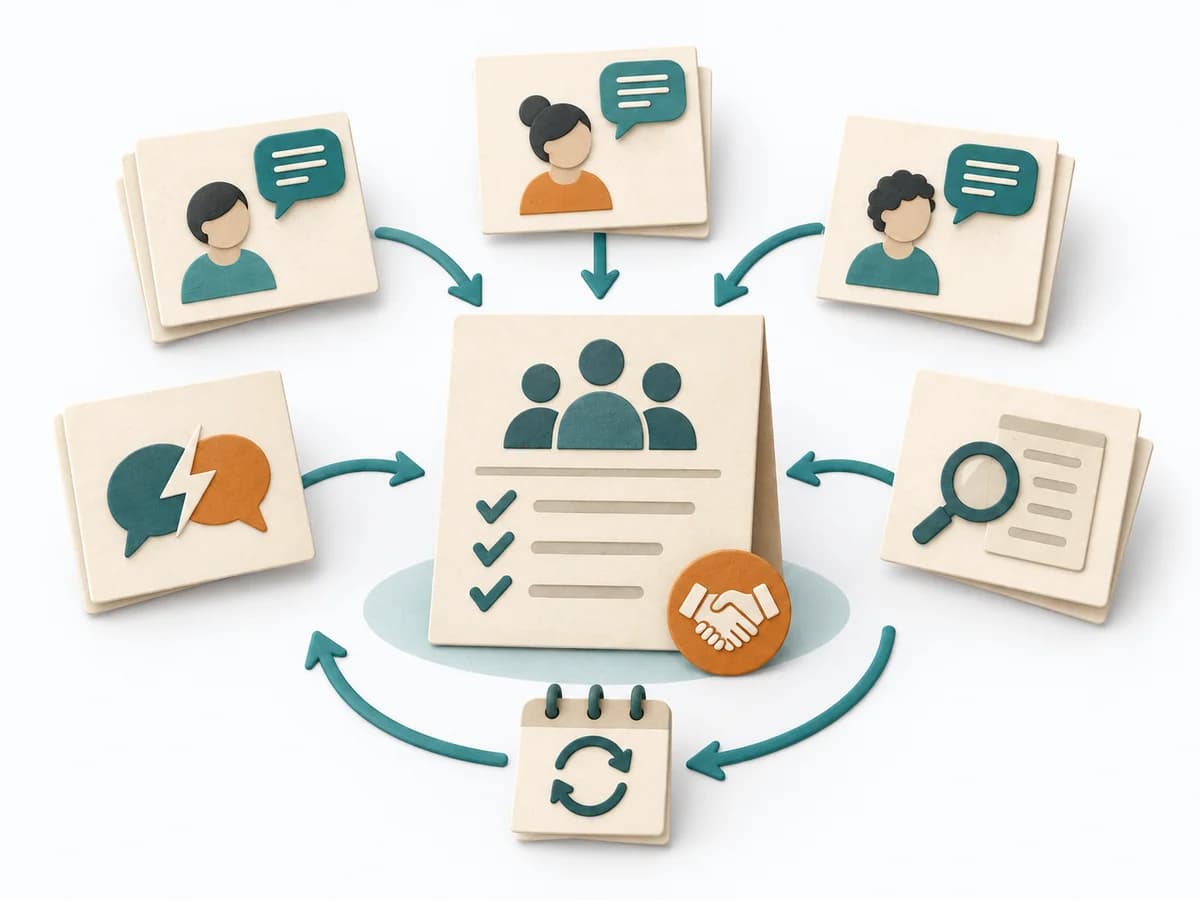 Agile Working Agreements | 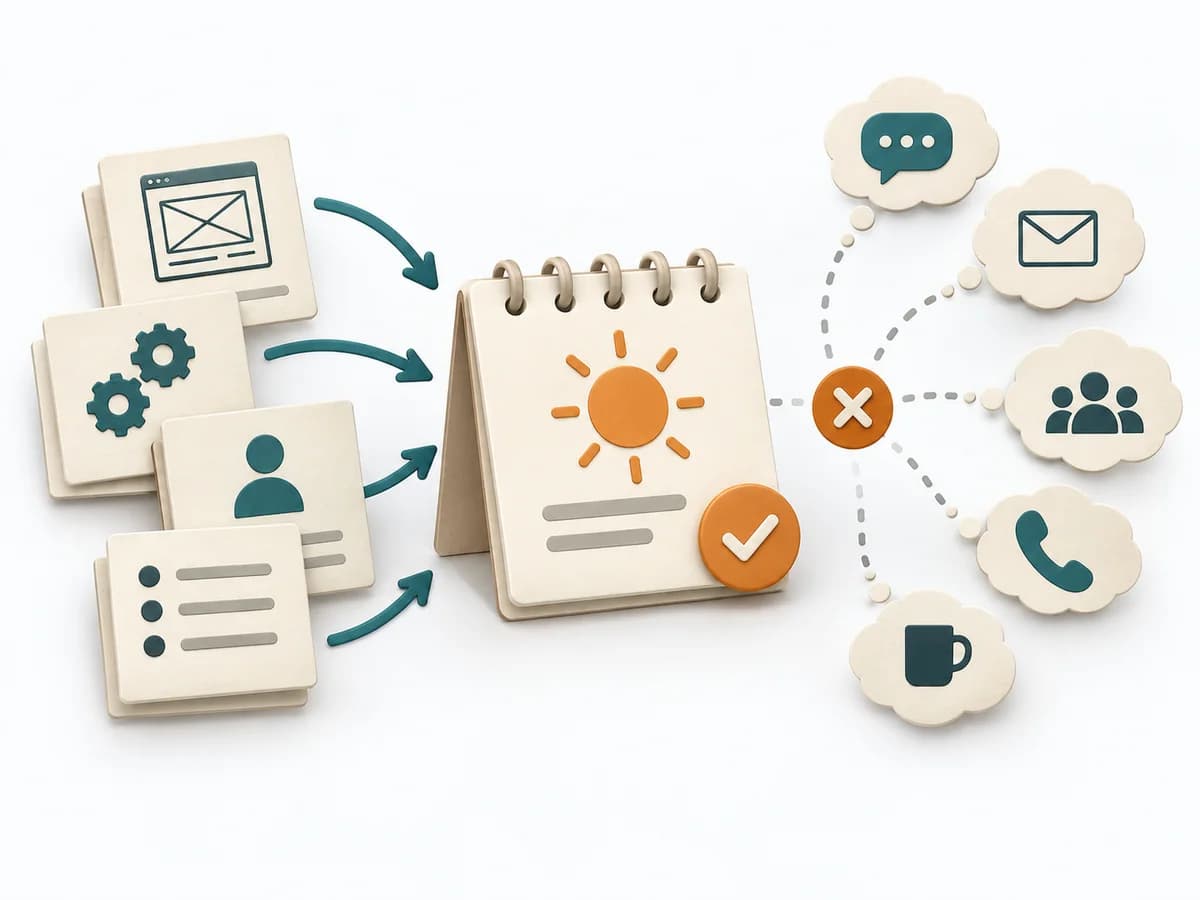 Agile Ideal Days |  Facilitation Team Charter |
|---|---|---|---|---|
Purposedifferent | When effort only needs to be classified roughly, it makes comparability more important than false precision. It helps sort work quickly into manageable sizes. | When collaboration needs more than implicit expectations, it lays out shared ground rules openly. It creates reliability for conduct, availability, and decision paths. | When effort needs to be thought of as real working time, it offers a simple common denominator for comparison. It sorts work by value, risk, and delivery ability. The result is captured as Ideal Day Estimates, Assumption Notes, and Capacity Caveats. | When a team is starting fresh or working past each other, Team Charter clarifies the shared working basis. It visibly sets out how collaboration, decision paths, and mutual conduct should work day to day. |
Complexitydifferent | Low | Low | Low | Medium |
Timedifferent | 15-45 min | 45-90 min | 15-60 min | 2-4 h |
Participantsdifferent | 2-12 | 3-12 | 2-9 | 3-12 |
Formatdifferent | Workshop + async | Workshop | Workshop + async | Workshop |
Outputdifferent | Size Buckets, Rough Backlog Map, Split Candidates | Working Agreements, Team Norms, Review Cadence | Ideal Day Estimates, Assumption Notes, Capacity Caveats | Team Charter, Working Norms, Role Notes |
Tagsno overlap | EstimationAgileRoadmap | TeamCollaborationAgile | EstimationEffortAgile | TeamAlignmentCollaboration |