View methods side by side.
Choose up to four methods. Add them using the search and share the comparison by copying its link.
| Criterion | 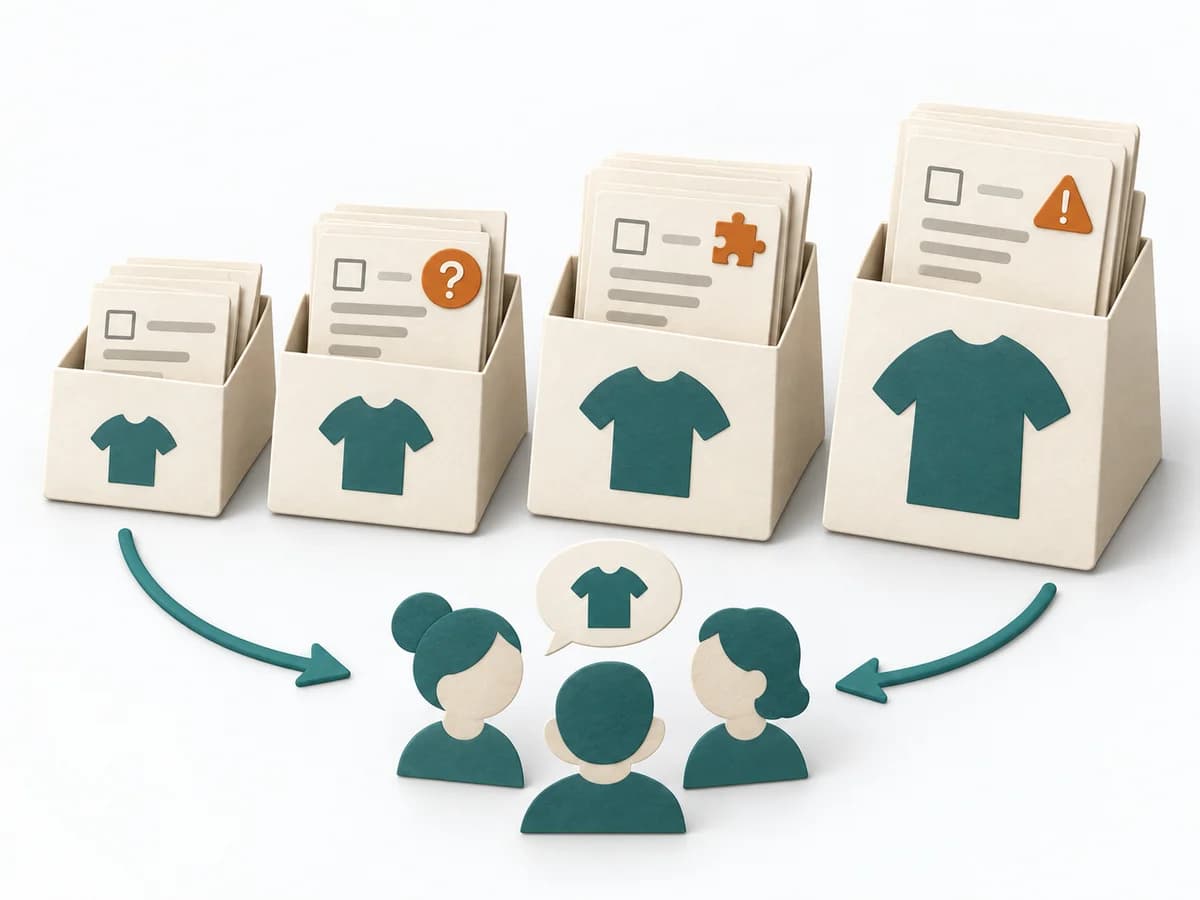 Agile T-Shirt Sizing | 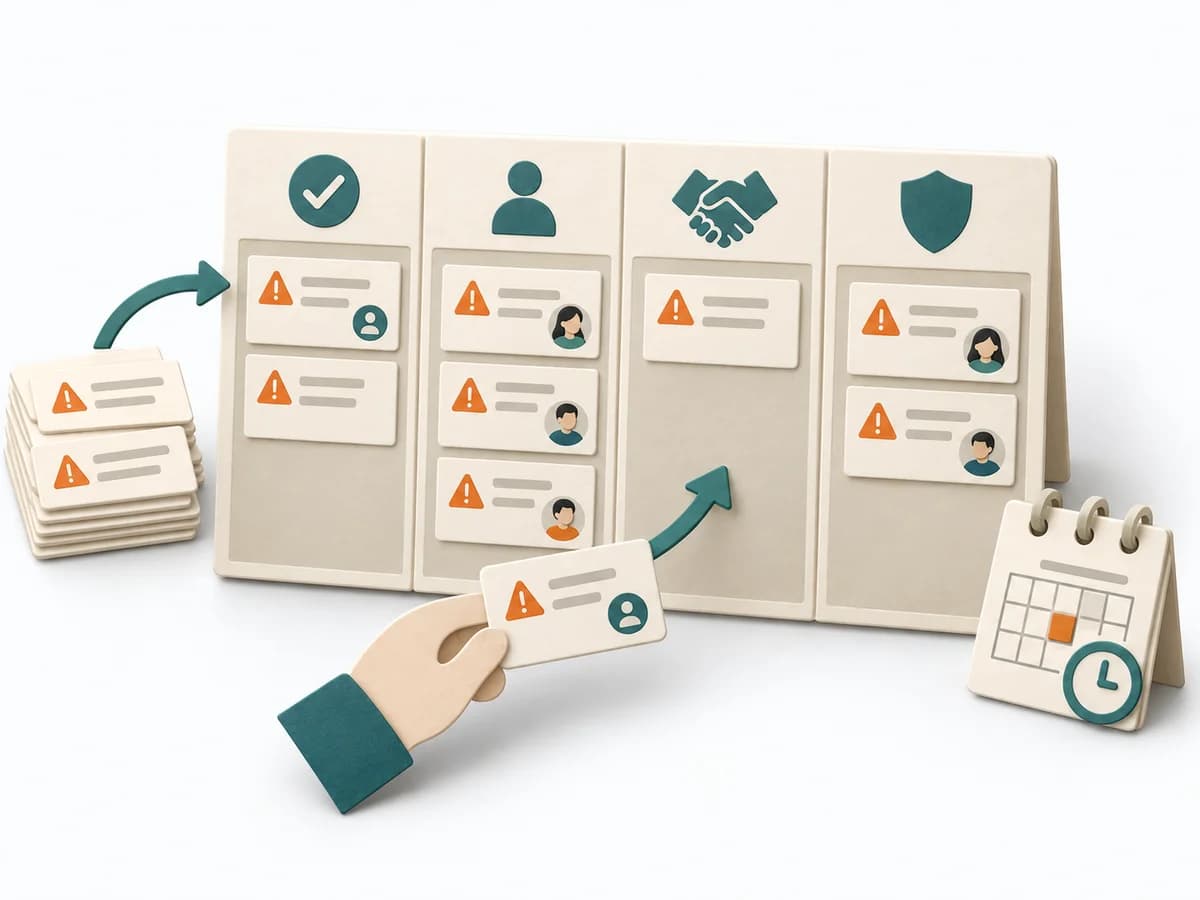 Agile ROAM Board | 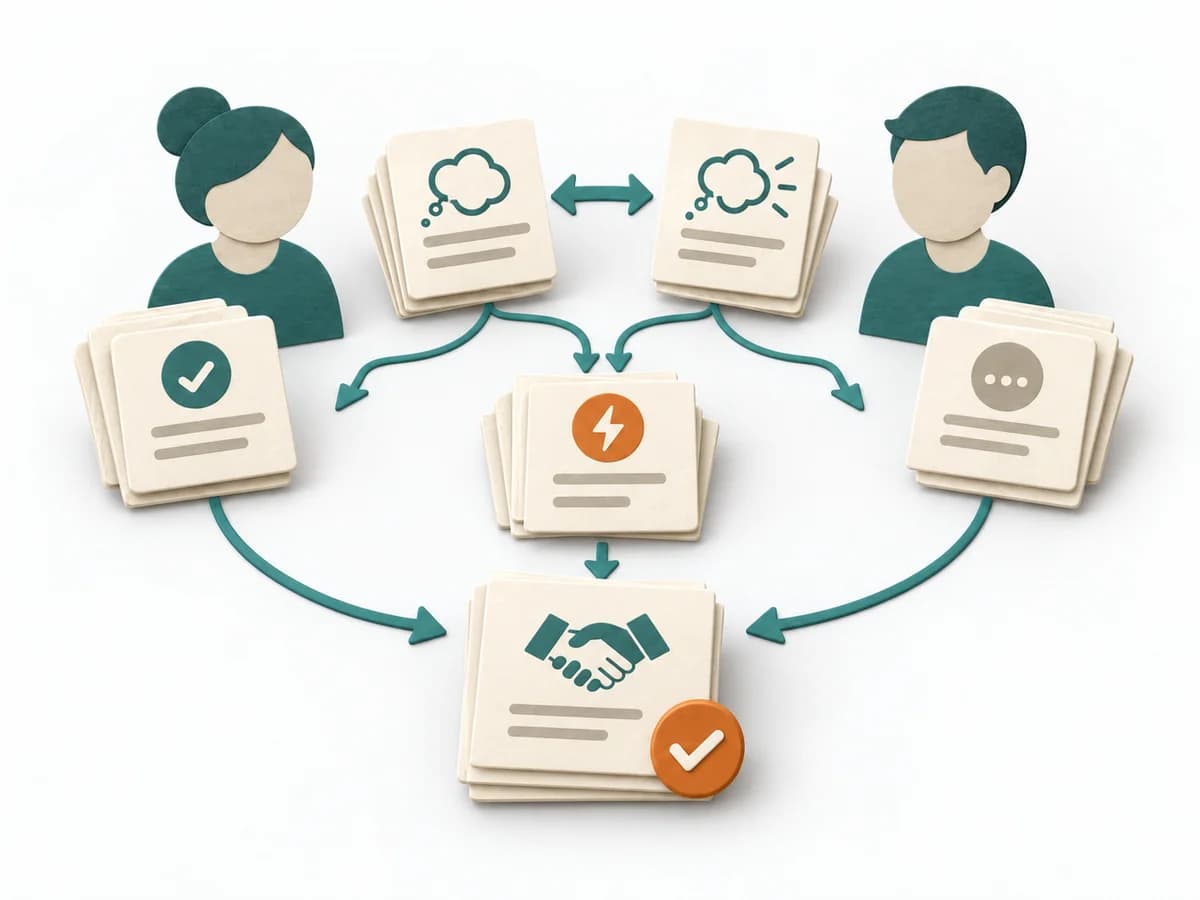 Facilitation Expectation Mapping |  Facilitation Alignment Mapping |
|---|---|---|---|---|
Purposedifferent | When effort only needs to be classified roughly, it makes comparability more important than false precision. It helps sort work quickly into manageable sizes. | When work needs to move between different states or columns, it makes that movement and its handoffs legible. It sorts work by value, risk, and delivery ability. The result is captured as a ROAM Board and an Owner List. | When roles, interfaces, or projects fail because of differing expectations, Expectation Mapping surfaces these differences. It shows what each side takes for granted and where the pictures diverge. | When several people work toward one goal but hold different mental maps, Alignment Mapping makes the discrepancies visible. It arranges goals, assumptions, and priorities so shared direction becomes verifiable. |
Complexitydifferent | Low | Low | Low | Medium |
Timedifferent | 15-45 min | 20-40 min initial, dann laufend | 45-90 min | 1-2 h |
Participantsdifferent | 2-12 | 3-15 | 3-12 | 4-12 |
Formatdifferent | Workshop + async | Workshop + async | Workshop | Workshop |
Outputdifferent | Size Buckets, Rough Backlog Map, Split Candidates | ROAM Board, Owner List | Expectation Map, Alignment Notes, Agreements | Alignment Map, Open Issues, Decision Questions |
Tagsno overlap | EstimationAgileRoadmap | RiskAgileTrackingAlignment | AlignmentStakeholdersTeam | AlignmentStakeholdersStrategyFacilitation |