View methods side by side.
Choose up to four methods. Add them using the search and share the comparison by copying its link.
| Criterion |  Systems Thinking Systems Mapping | 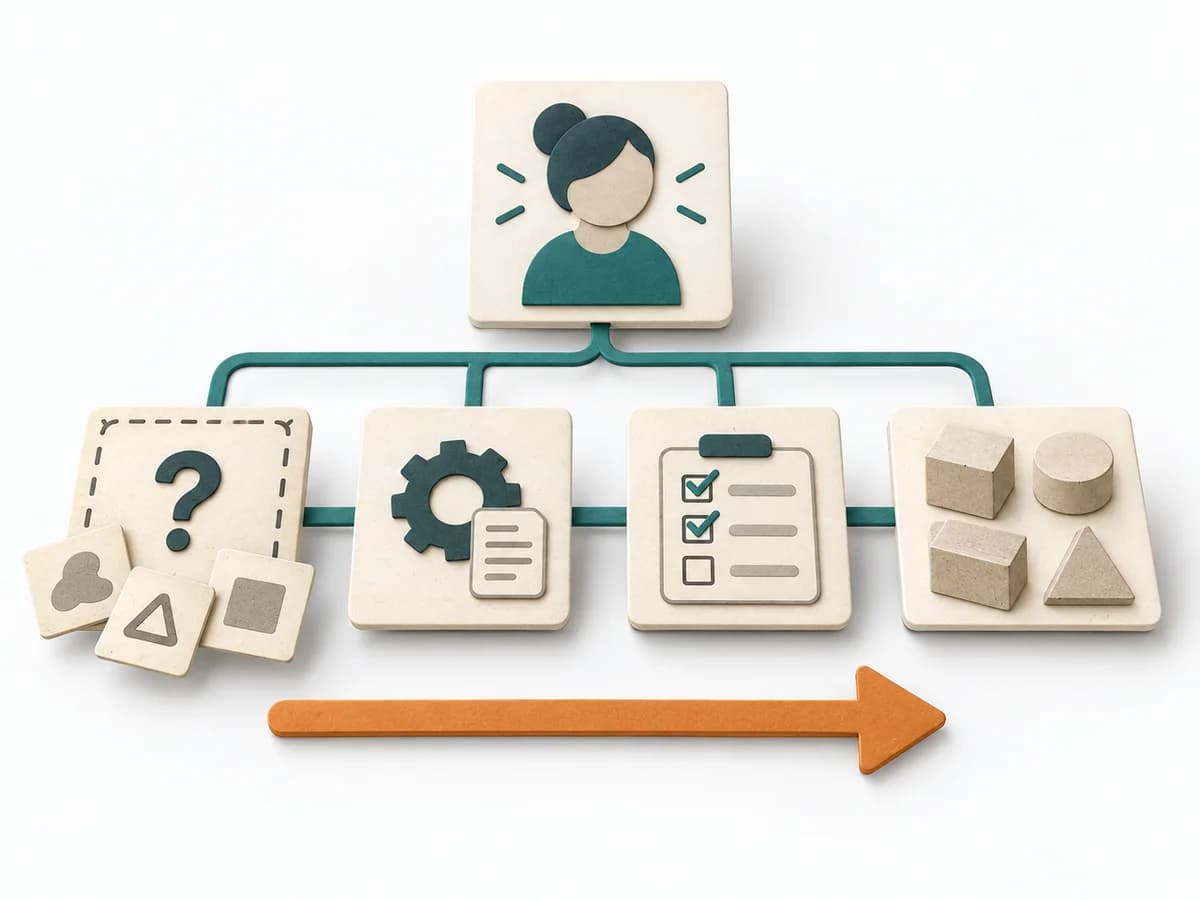 Systems Thinking Wardley Mapping |  Decision Making Force Field Analysis | 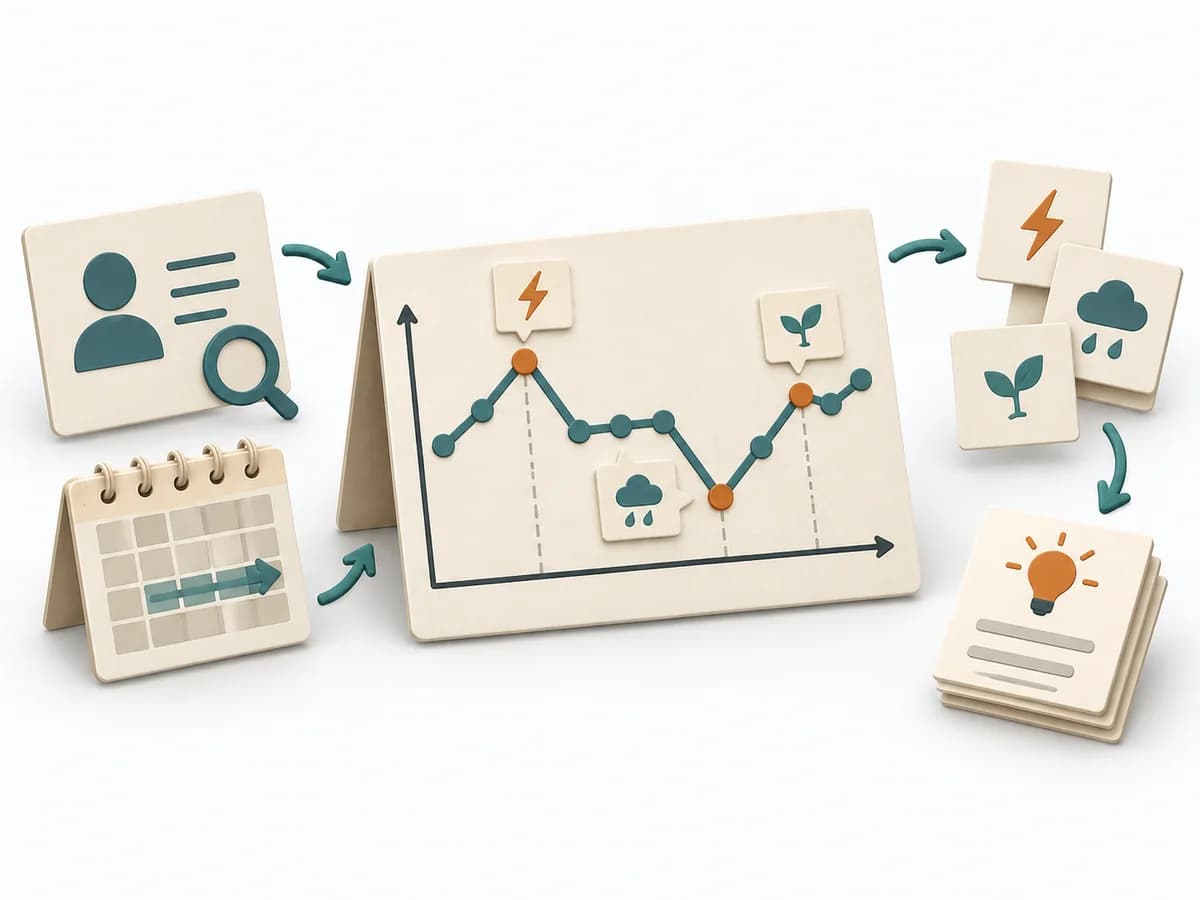 Systems Thinking Behavior Over Time Graph |
|---|---|---|---|---|
Purposedifferent | Systems Mapping arranges elements, relationships, and boundaries so a complex field becomes legible at a glance. The overview stabilizes the overall picture before detail work or steering begins. | Wardley Mapping makes visible where an offering stands today and where it can evolve. The method connects user need, value chain, and evolution stages into a strategic basis for platform, build, or buy decisions. | In change initiatives, supporting and restraining forces sit at the table at the same time. Force Field Analysis makes these tensions explicit and shows where change can be pushed forward by strengthening or relieving. | A Behavior Over Time Graph shows how a metric or observation develops over time. The method makes trends, breaks, and recurring patterns visible that get lost in snapshots. |
Complexitydifferent | Medium | Medium | Low | Low |
Timedifferent | 1-3 h | 1-3 h | 45-90 min | 20-45 min |
Participantsdifferent | 3-12 | 2-10 | 3-12 | 1-10 |
Formatdifferent | Workshop + async | Workshop + async | Workshop | Workshop + async |
Outputdifferent | System Map, Dependencies, Leverage Points | Wardley Map, Strategic Options, Evolution Notes | Force Field Map, Change Levers, Risk Notes | Behavior Over Time Graph, Trend Hypotheses, Key Events |
Tagsno overlap | Systems thinkingMappingBoundariesChange | StrategySystems thinkingDynamics | ChangeDecisionStrategy | Systems thinkingPatternsDynamics |