View methods side by side.
Choose up to four methods. Add them using the search and share the comparison by copying its link.
| Criterion | 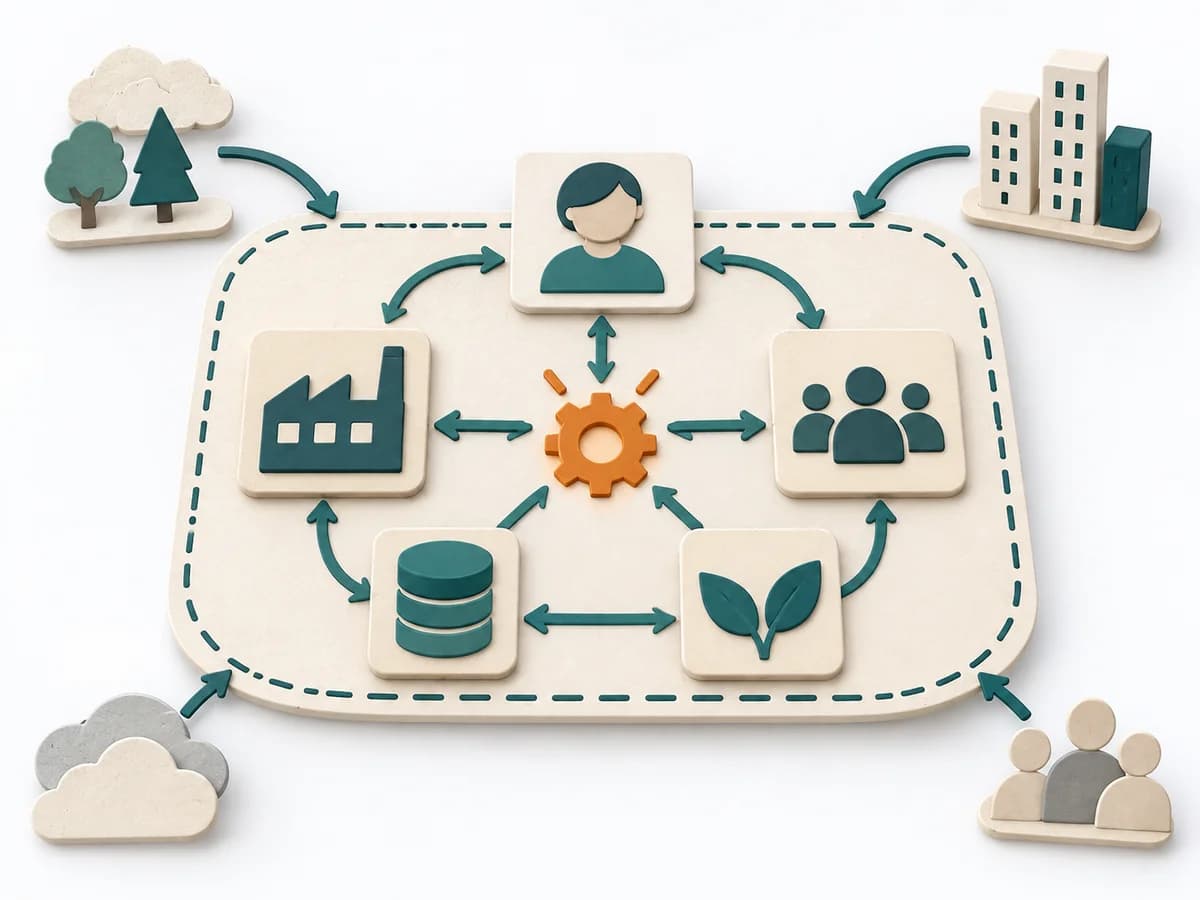 Systems Thinking Systems Mapping | 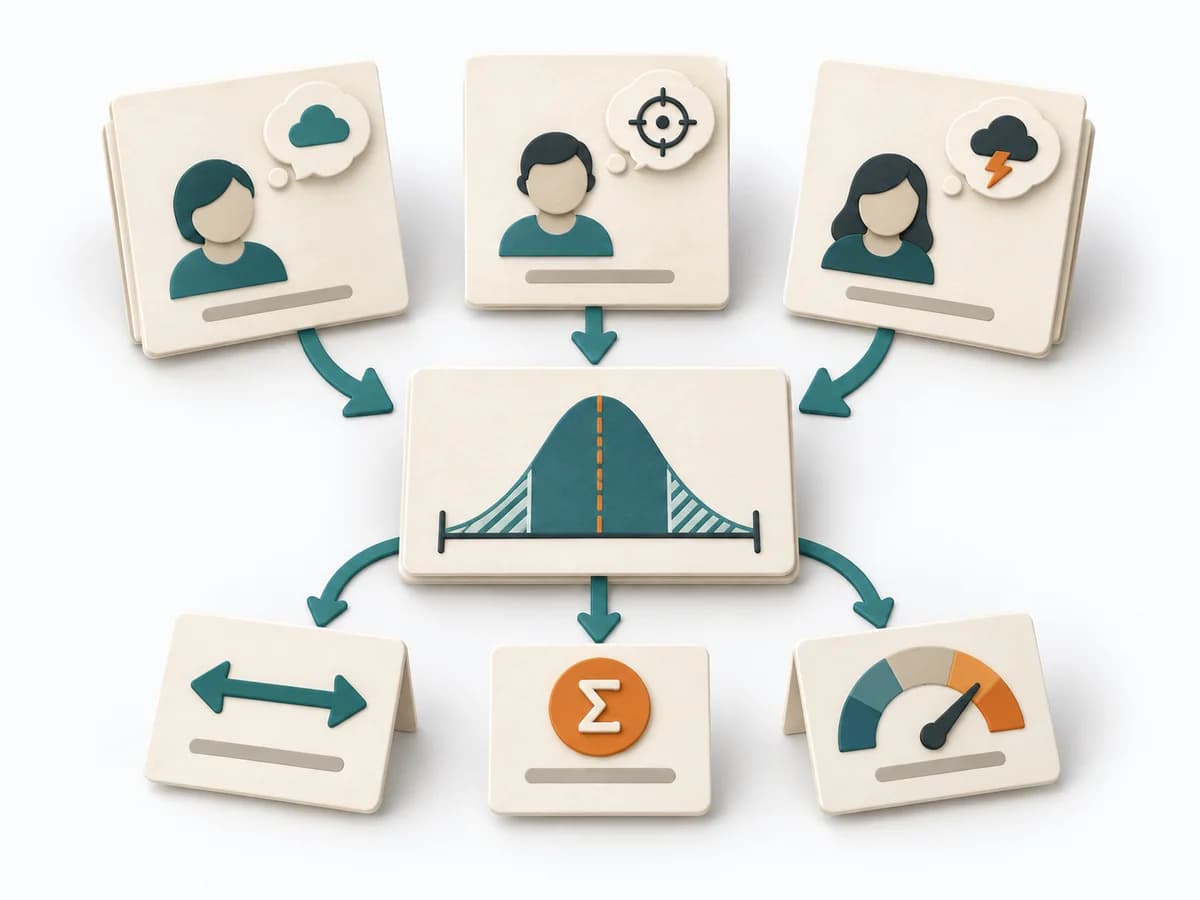 Decision Making Three-Point Estimation | 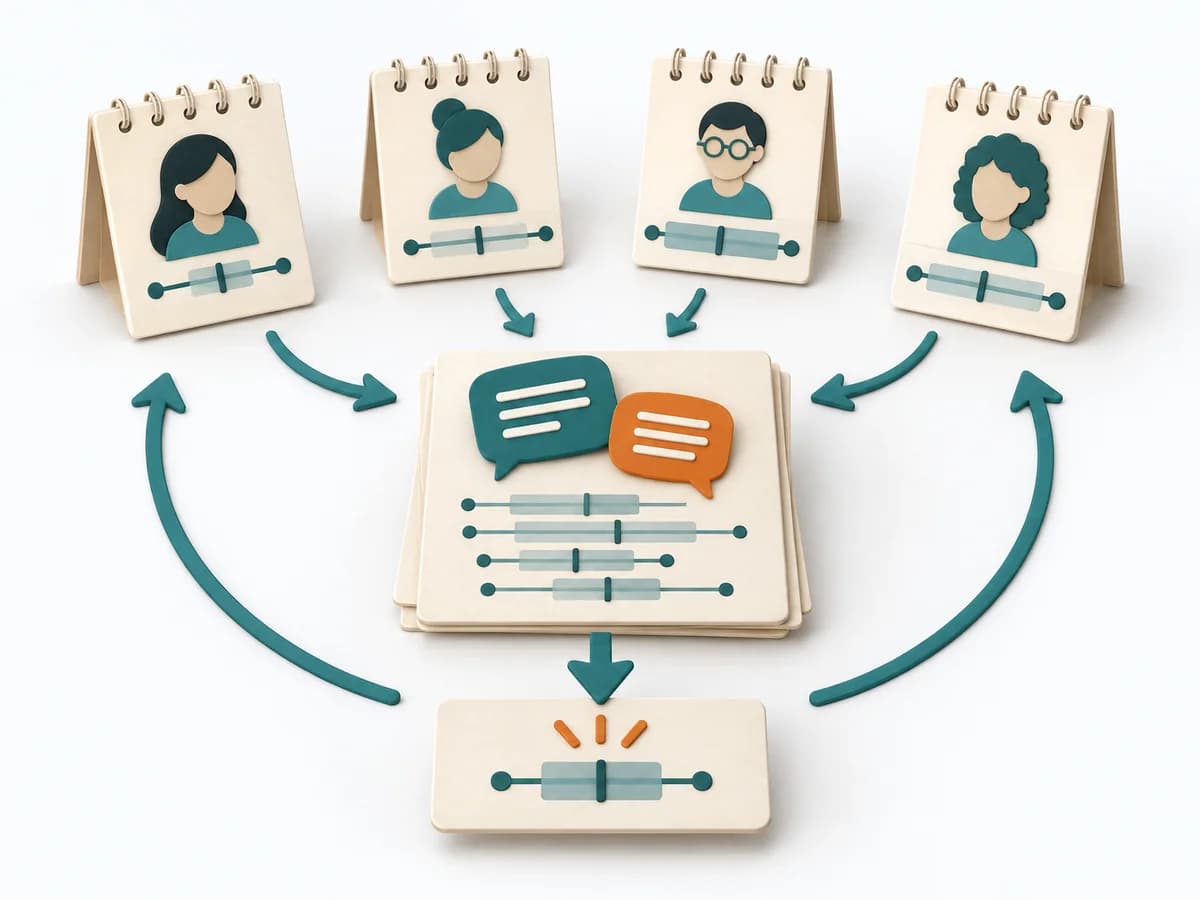 Decision Making Wideband Delphi |  Systems Thinking Intervention Mapping |
|---|---|---|---|---|
Purposedifferent | Systems Mapping arranges elements, relationships, and boundaries so a complex field becomes legible at a glance. The overview stabilizes the overall picture before detail work or steering begins. | A single estimate for effort, time, or risk often looks too smooth for the real uncertainty behind it. It separates options, evaluation criteria, and open risks. The result is captured as a Three-Point Estimate, Risk Range, and Assumption Notes. | A single opinion rarely holds up for planning when the future is genuinely uncertain. It separates options, evaluation criteria, and open risks. The result is captured as an Estimate Range, Assumption Log, and Expert Consensus Notes. | Intervention Mapping translates a need for change into a planned, evaluable program. The method connects target group, determinants, actions, and measurement into a traceable chain. |
Complexitydifferent | Medium | Medium | High | High |
Timedifferent | 1-3 h | 10-30 min je Item | 1-4 h or multiple rounds | 1-5 Tage |
Participantsdifferent | 3-12 | 1-8 | 4-12 Experten | 4-12 |
Formatsame | Workshop + async | Workshop + async | Workshop + async | Workshop + async |
Outputdifferent | System Map, Dependencies, Leverage Points | Three-Point Estimate, Risk Range, Assumption Notes | Estimate Range, Assumption Log, Expert Consensus Notes | Logic Model, Change Objectives, Intervention Components, Evaluation Plan |
Tagsno overlap | Systems thinkingMappingBoundariesChange | EstimationUncertaintyForecasting | EstimationExpertsForecasting | ChangeSystems thinkingCapability |