View methods side by side.
Choose up to four methods. Add them using the search and share the comparison by copying its link.
| Criterion | 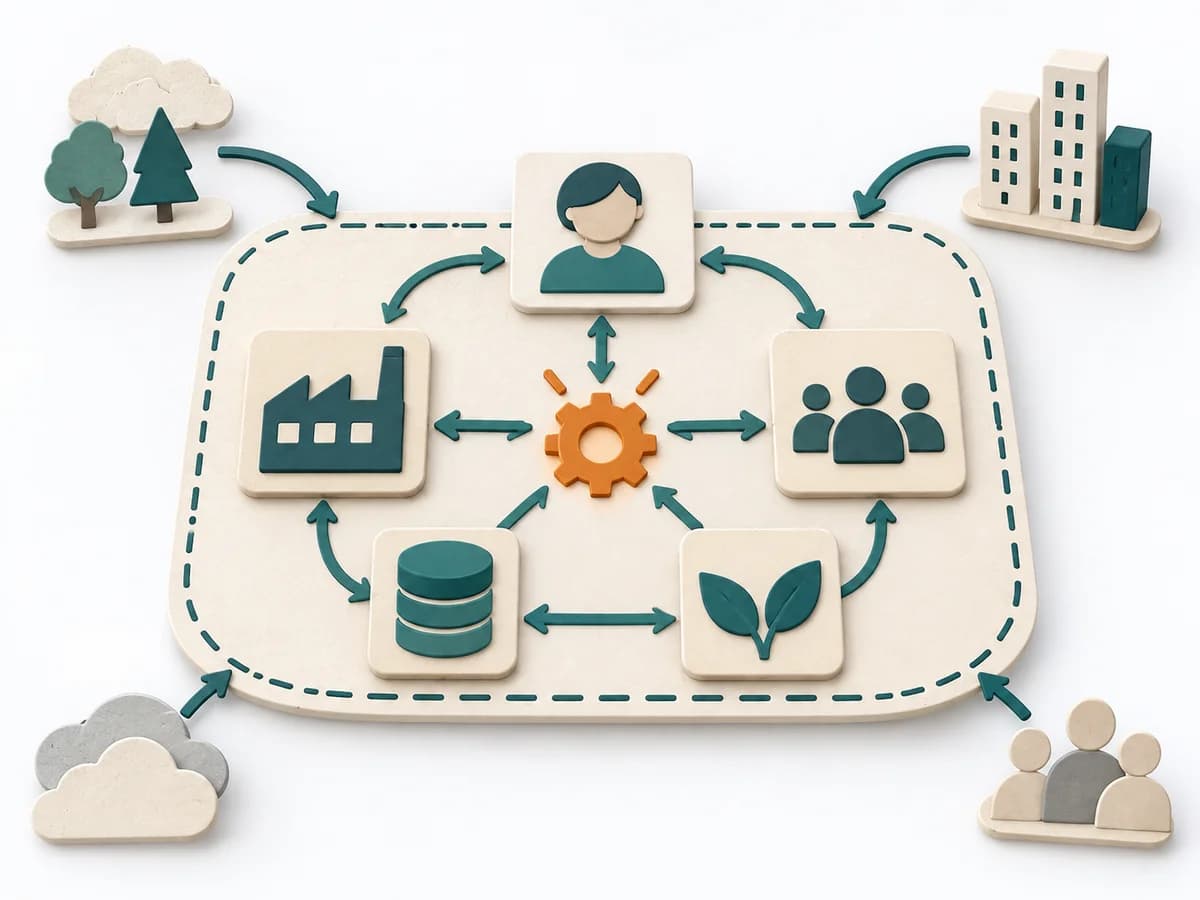 Systems Thinking Systems Mapping | 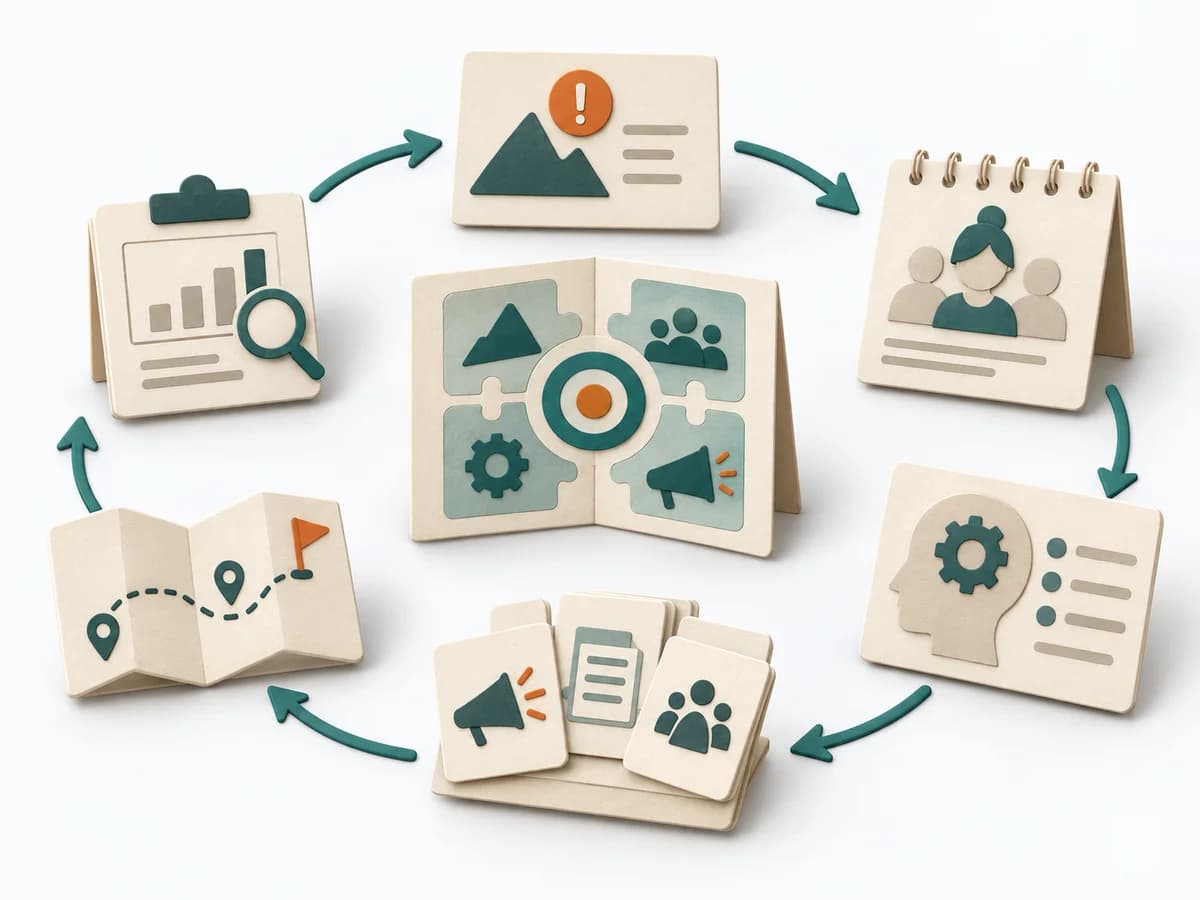 Systems Thinking Intervention Mapping |  DevOps Incident Command |  Systems Thinking Future Reality Tree |
|---|---|---|---|---|
Purposedifferent | Systems Mapping arranges elements, relationships, and boundaries so a complex field becomes legible at a glance. The overview stabilizes the overall picture before detail work or steering begins. | Intervention Mapping translates a need for change into a planned, evaluable program. The method connects target group, determinants, actions, and measurement into a traceable chain. | During an acute incident with several people involved, the method creates a clear leadership and communication structure. It reduces chaos when fast coordination and clean situational awareness are both needed at once. | A Future Reality Tree shows how desired actions are meant to lead to a better system state. The method checks whether a path of change holds together logically before time flows into implementation. |
Complexitydifferent | Medium | High | Medium | High |
Timedifferent | 1-3 h | 1-5 Tage | As needed | 2-4 h |
Participantsdifferent | 3-12 | 4-12 | 4-15 | 3-8 |
Formatdifferent | Workshop + async | Workshop + async | Workshop + async | Workshop |
Outputdifferent | System Map, Dependencies, Leverage Points | Logic Model, Change Objectives, Intervention Components, Evaluation Plan | Incident Log, Action Tracker, Stakeholder Updates | Future Reality Tree, Negative Branches, Assumption List, Improved Injections |
Tagsno overlap | Systems thinkingMappingBoundariesChange | ChangeSystems thinkingCapability | IncidentOperationsReliability | Theory of ConstraintsSystems thinkingChange |