View methods side by side.
Choose up to four methods. Add them using the search and share the comparison by copying its link.
| Criterion | 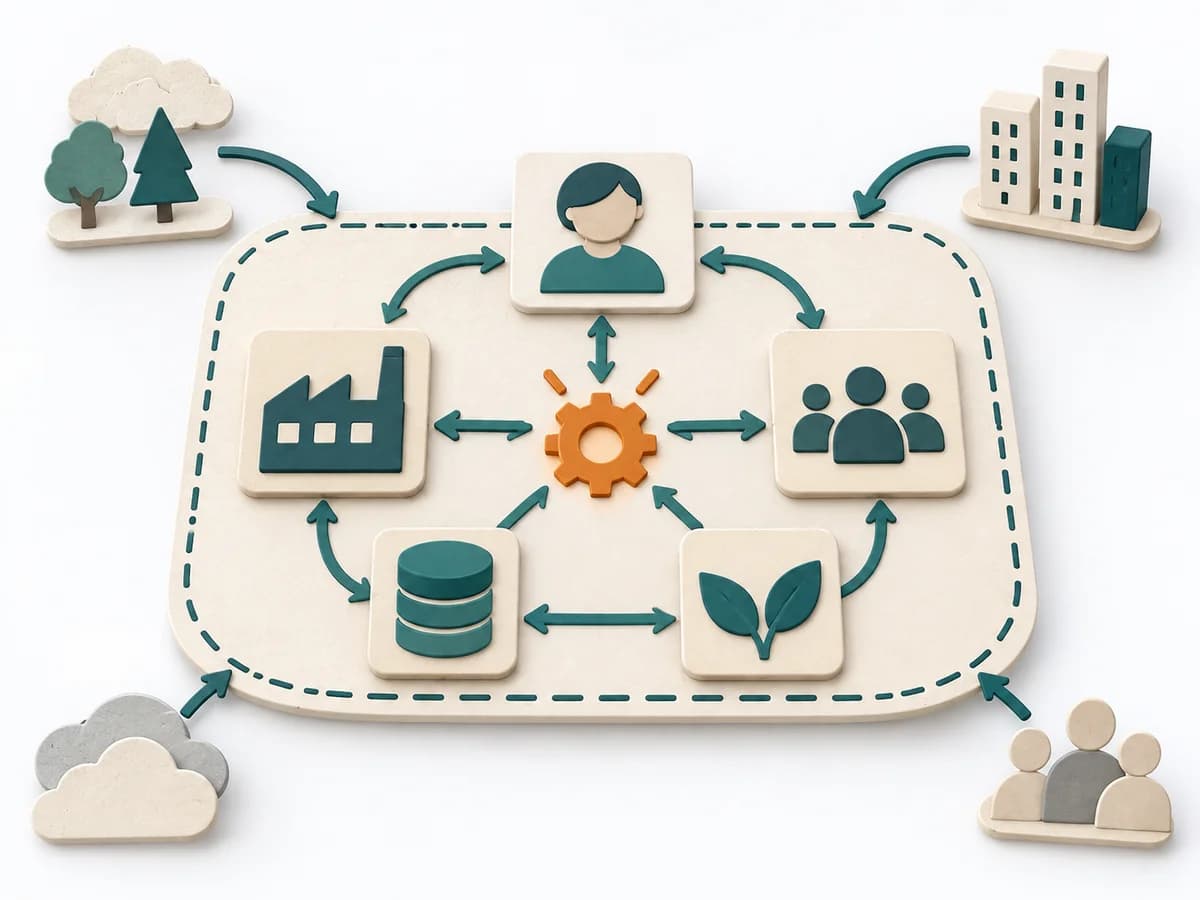 Systems Thinking Systems Mapping |  Systems Thinking Intervention Mapping |  Systems Thinking Iceberg Model |  Systems Thinking Current Reality Tree |
|---|---|---|---|---|
Purposedifferent | Systems Mapping arranges elements, relationships, and boundaries so a complex field becomes legible at a glance. The overview stabilizes the overall picture before detail work or steering begins. | Intervention Mapping translates a need for change into a planned, evaluable program. The method connects target group, determinants, actions, and measurement into a traceable chain. | The Iceberg Model separates visible events from patterns, structures, and mental models. This turns a single observation into a deeper understanding of why a problem keeps recurring. | A Current Reality Tree condenses many symptoms into a few causal chains. The method makes visible which core problems drive several negative effects at once. |
Complexitydifferent | Medium | High | Low | High |
Timedifferent | 1-3 h | 1-5 Tage | 30-60 min | 2-6 h |
Participantsdifferent | 3-12 | 4-12 | 2-10 | 3-8 |
Formatdifferent | Workshop + async | Workshop + async | Workshop + async | Workshop |
Outputdifferent | System Map, Dependencies, Leverage Points | Logic Model, Change Objectives, Intervention Components, Evaluation Plan | Iceberg Worksheet, Pattern Notes, Intervention Ideas | Current Reality Tree, Core Problems, Intervention Ideas |
Tags1 shared | Systems thinkingMappingBoundariesChange | ChangeSystems thinkingCapability | Systems thinkingRoot causePatterns | Systems thinkingRoot causeConstraintsCausality |