View methods side by side.
Choose up to four methods. Add them using the search and share the comparison by copying its link.
| Criterion | 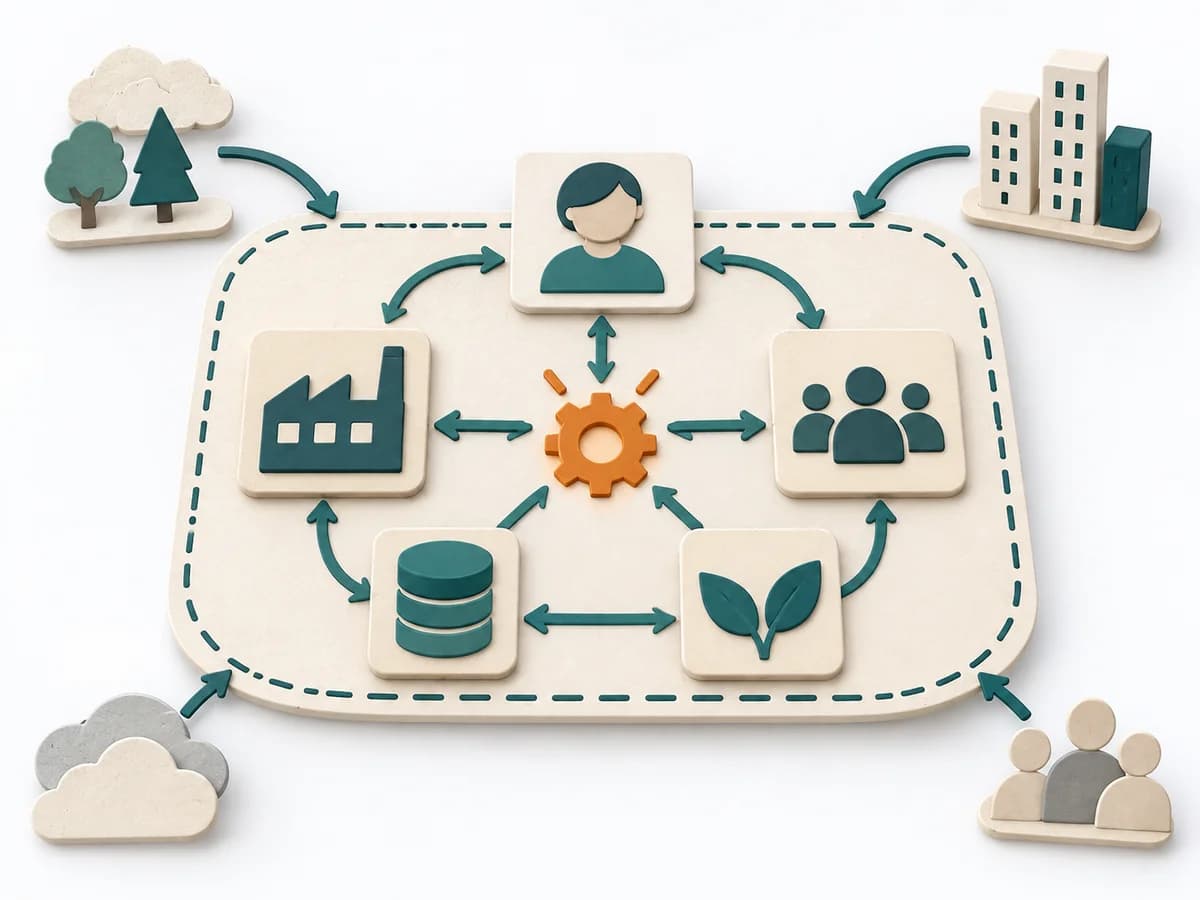 Systems Thinking Systems Mapping | 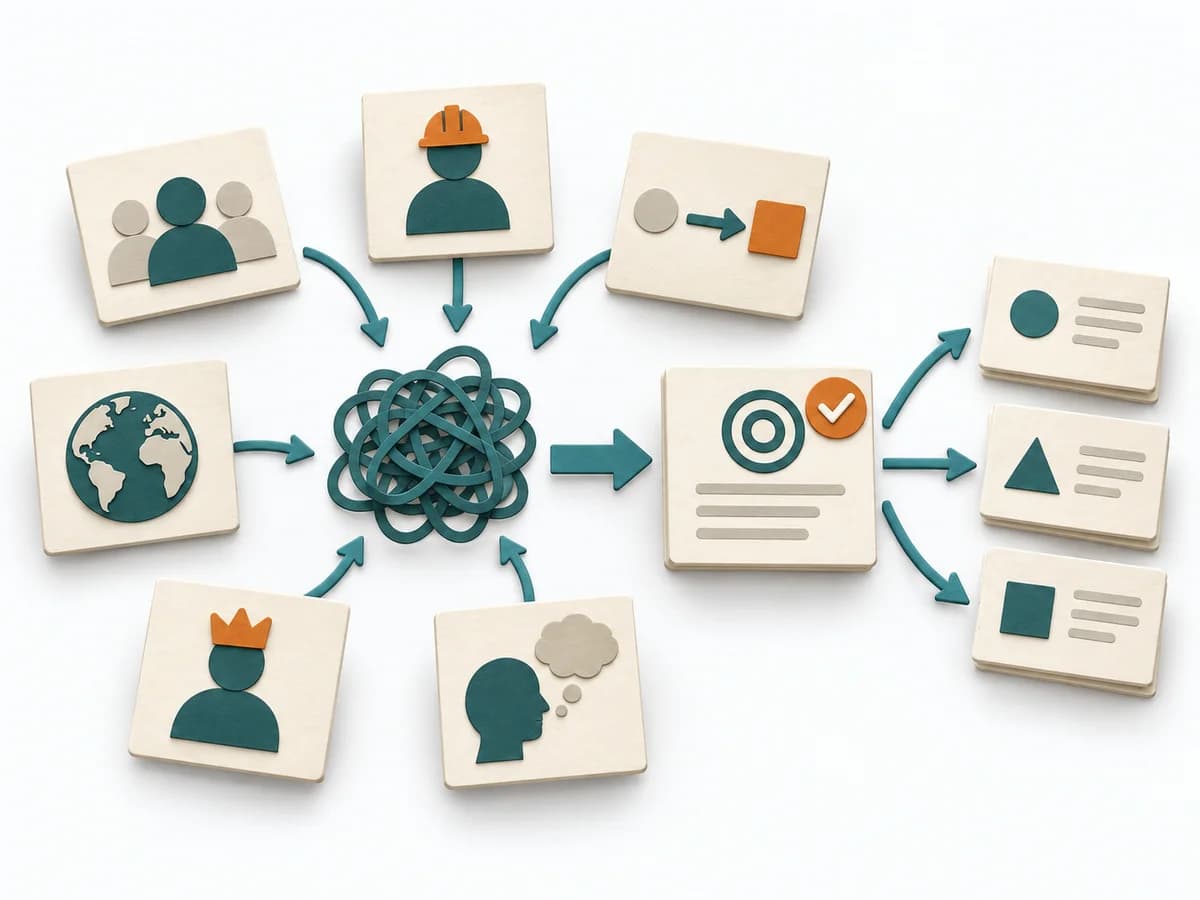 Systems Thinking CATWOE Analysis |  Decision Making Force Field Analysis | 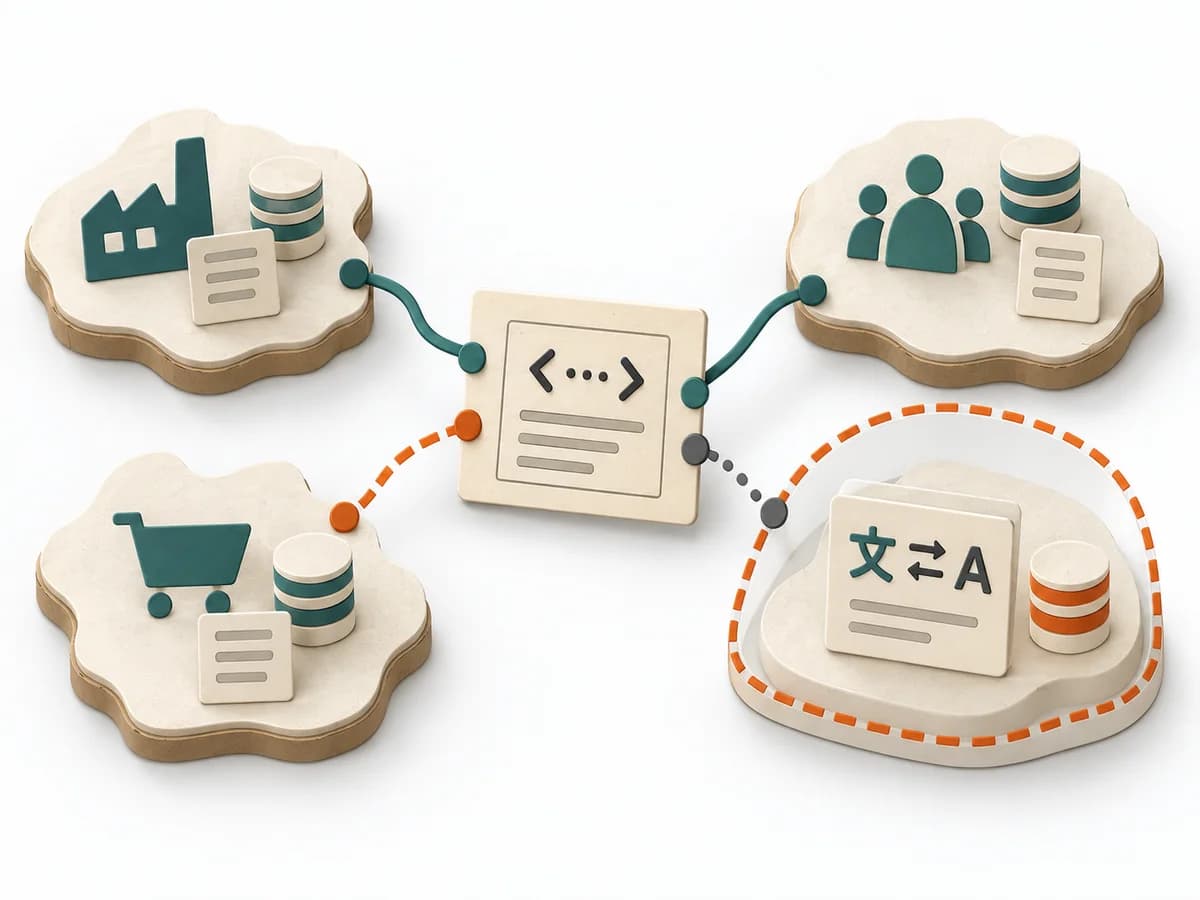 Domain Modeling Context Map |
|---|---|---|---|---|
Purposedifferent | Systems Mapping arranges elements, relationships, and boundaries so a complex field becomes legible at a glance. The overview stabilizes the overall picture before detail work or steering begins. | CATWOE structures a problem from six viewpoints and prevents too narrow a view of the situation. Different experiences of the system become comparably discussable this way. | In change initiatives, supporting and restraining forces sit at the table at the same time. Force Field Analysis makes these tensions explicit and shows where change can be pushed forward by strengthening or relieving. | When several contexts need to talk to each other, it makes their relationships and dependencies legible. It helps sort integration pressure and responsibilities across system boundaries. |
Complexitydifferent | Medium | Medium | Low | Medium |
Timedifferent | 1-3 h | 45-90 min | 45-90 min | 1-3 h |
Participantsdifferent | 3-12 | 3-8 | 3-12 | 2-8 |
Formatdifferent | Workshop + async | Workshop + async | Workshop | Workshop + async |
Outputdifferent | System Map, Dependencies, Leverage Points | CATWOE Canvas, Root Definition, Stakeholder Perspectives, Constraints | Force Field Map, Change Levers, Risk Notes | Context Map, Integration Patterns, Boundary Notes |
Tagsno overlap | Systems thinkingMappingBoundariesChange | Systems thinkingFramingStakeholders | ChangeDecisionStrategy | Domain-Driven DesignBoundariesStrategy |