View methods side by side.
Choose up to four methods. Add them using the search and share the comparison by copying its link.
| Criterion |  Systems Thinking Systems Mapping | 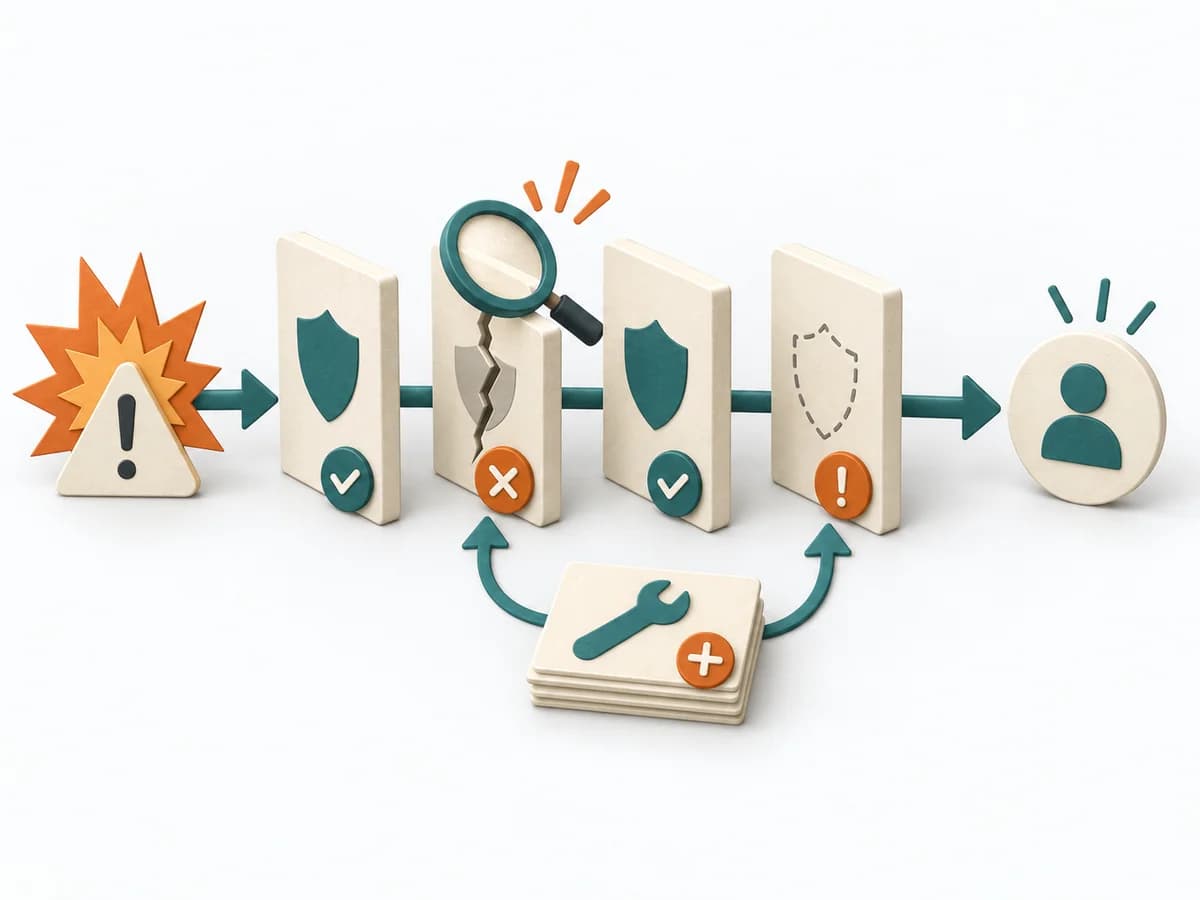 Operations Barrier Analysis |  Systems Thinking Leverage Points | 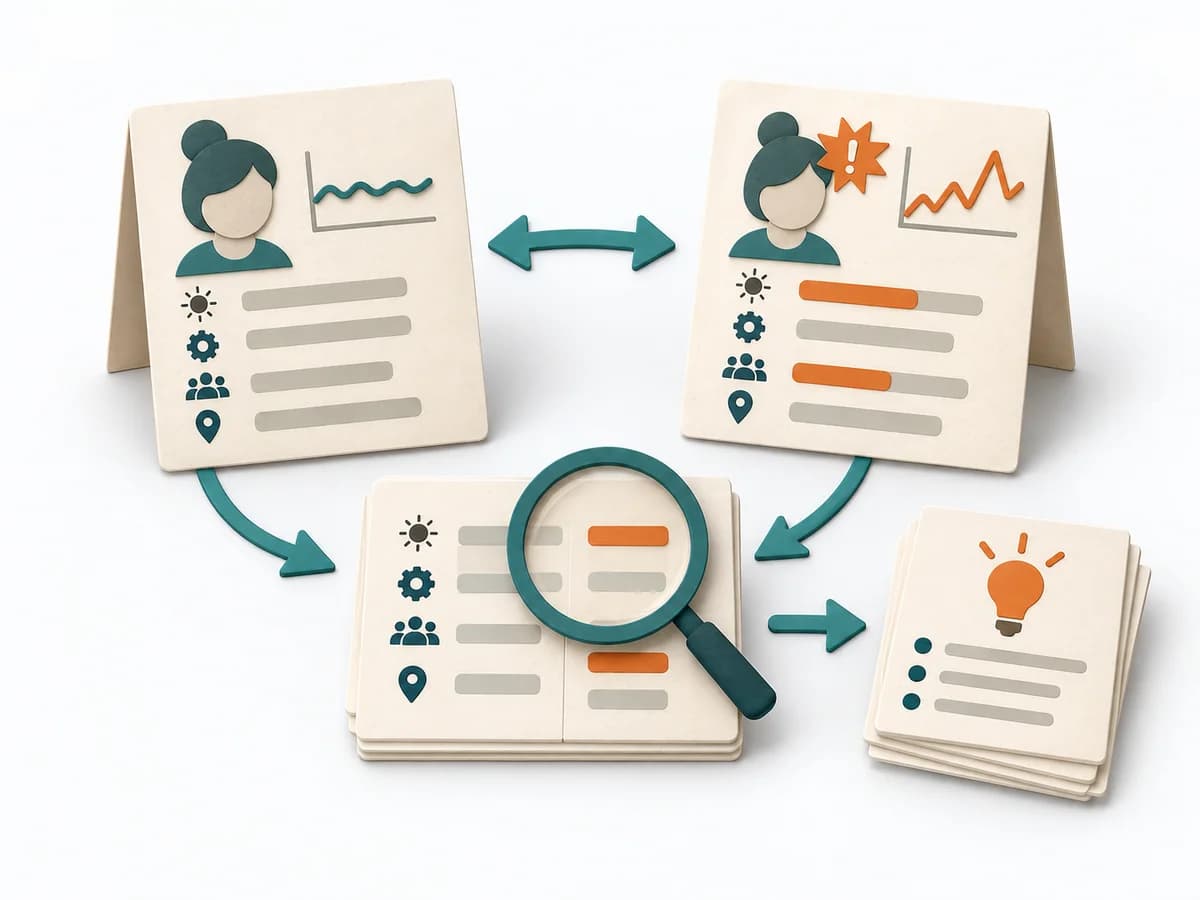 Operations Change Analysis |
|---|---|---|---|---|
Purposedifferent | Systems Mapping arranges elements, relationships, and boundaries so a complex field becomes legible at a glance. The overview stabilizes the overall picture before detail work or steering begins. | For a risk that can only be managed through multiple layers of protection, the method examines the effectiveness of each barrier. It shows where safeguards are missing, too weak, or fail under real conditions. | Leverage Points show exactly where interventions in a system produce a disproportionate effect. It draws relationships, patterns, and feedback loops. The result is captured as a leverage map and action strategy. | For a deviation after a change, the method isolates the influence of the altered condition. It narrows down which differences are relevant and which are just accompanying noise. |
Complexitydifferent | Medium | Medium | High | Medium |
Timedifferent | 1-3 h | 2-4 h | Half day | 45-120 min |
Participantsdifferent | 3-12 | 2-6 | 3-12 | 2-6 |
Formatdifferent | Workshop + async | Workshop + async | Workshop | Workshop + async |
Outputdifferent | System Map, Dependencies, Leverage Points | Barrier Inventory, Failure Analysis per Barrier, Action Backlog | Leverage Map, Action Strategy | Change Matrix, Cause Hypotheses, Validation Questions, Action List |
Tagsno overlap | Systems thinkingMappingBoundariesChange | Root causeSafetyIncident | Systems thinkingChangeStrategy | ChangeRoot causeTroubleshootingComparison |