View methods side by side.
Choose up to four methods. Add them using the search and share the comparison by copying its link.
Selected:Strategic, Tactical and Operational PlanningStart Stop ContinueProcess MappingStarfish Retrospective
| Criterion | 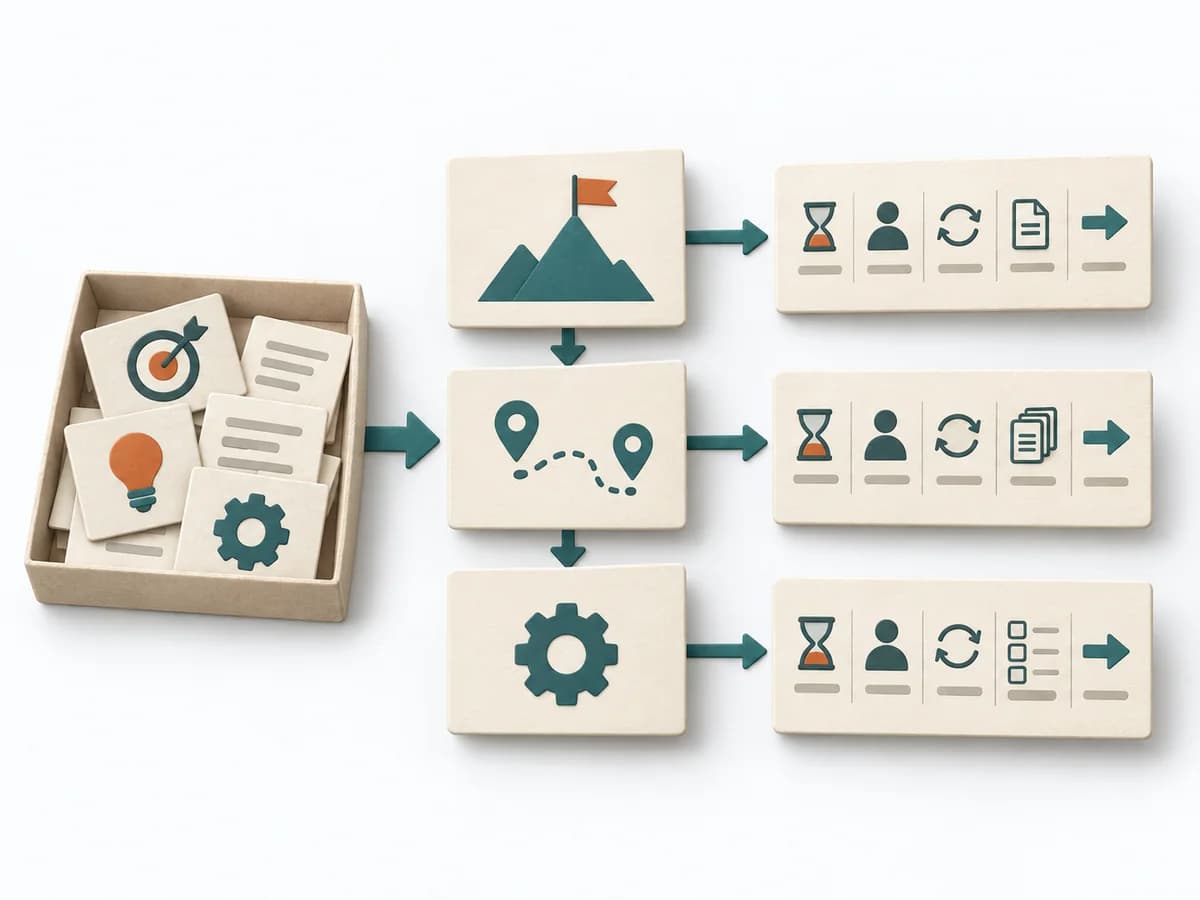 Business Strategy Strategic, Tactical and Operational Planning | 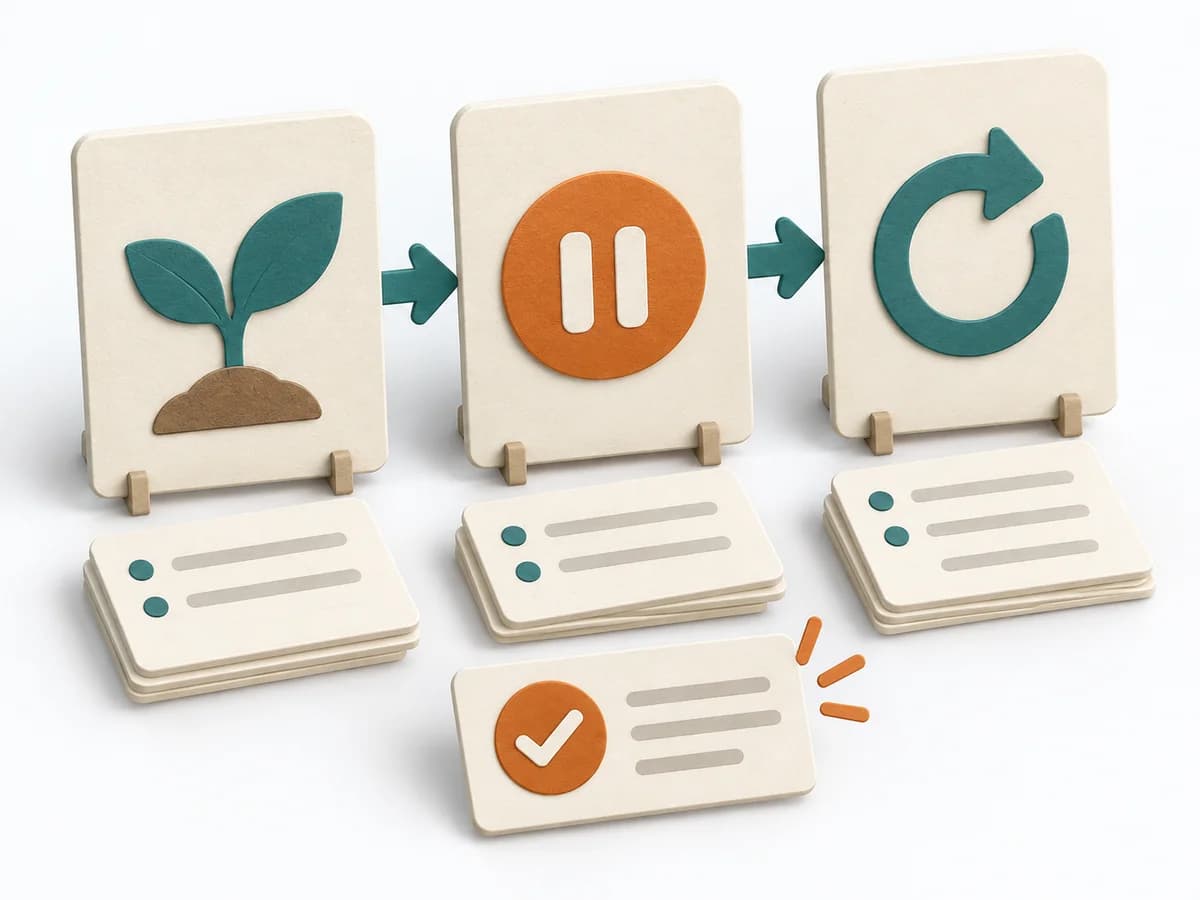 Agile Start Stop Continue | 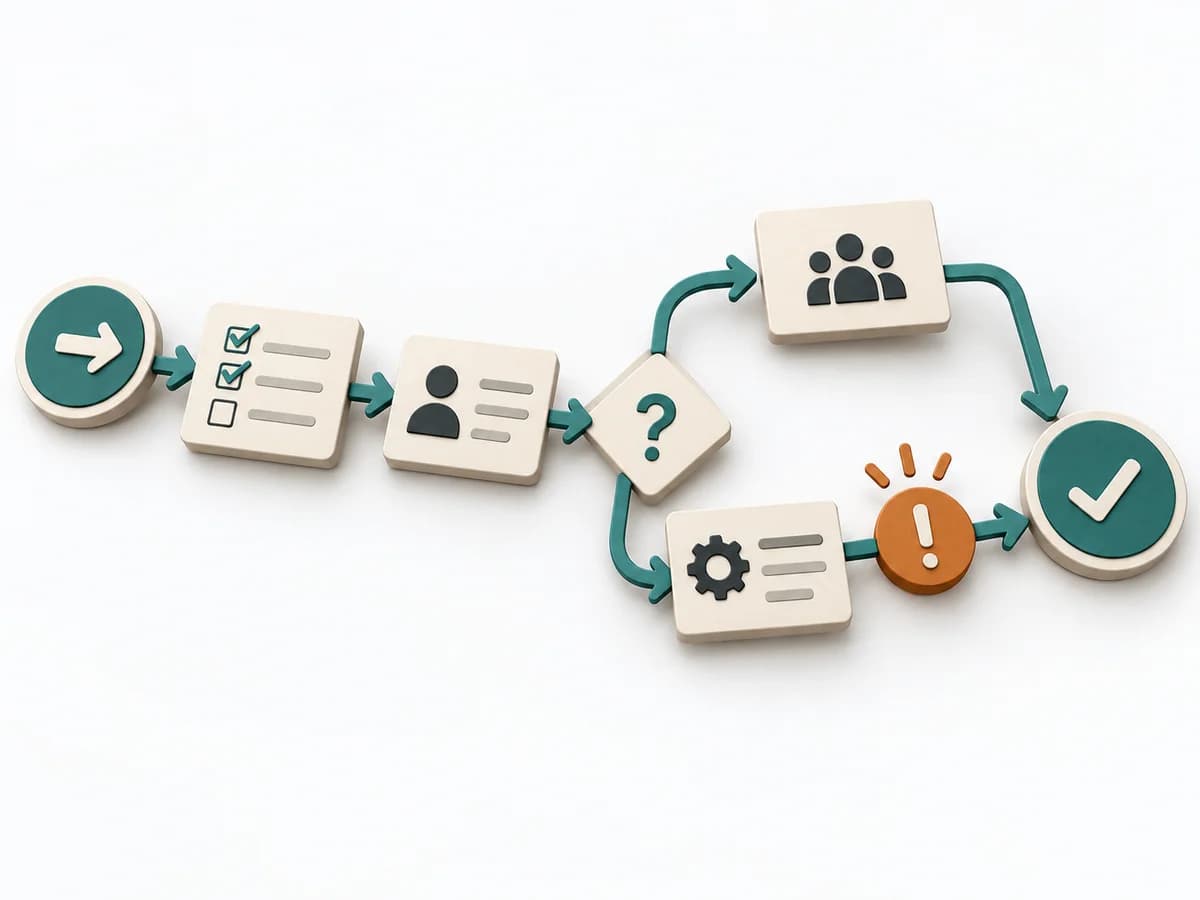 Operations Process Mapping | 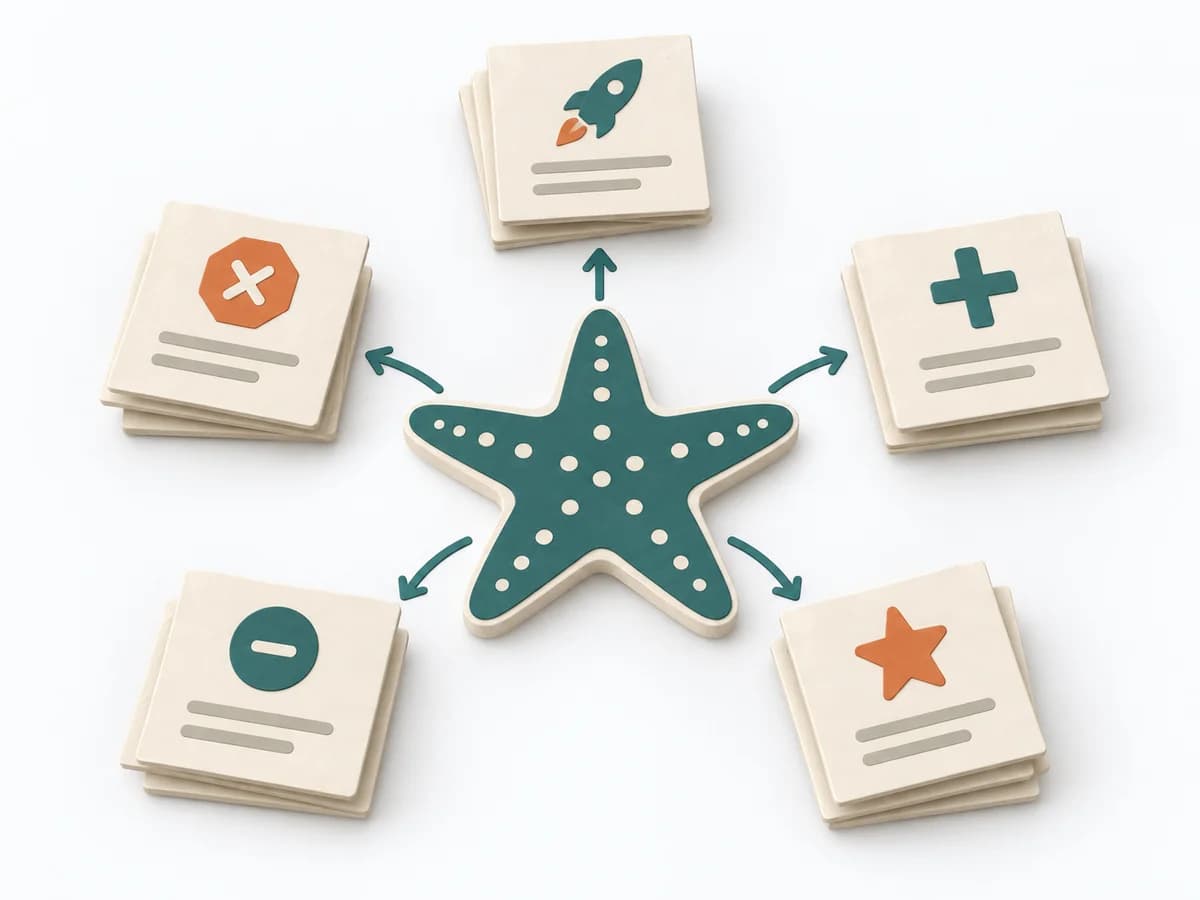 Agile Starfish Retrospective |
|---|---|---|---|---|
Purposedifferent | It places decisions and artifacts at the right level. Strategic planning clarifies direction, tactical planning translates it into programs, and operational planning steers concrete processes. | When a team wants to deliberately adjust its working behavior, it makes habits visible and assessable. It focuses on concrete changes instead of diffuse mood. | With a confusing workflow that has many handoffs, the method makes the actual process visible. It shows where work is passed on, delayed, or duplicated, so improvement targets the right spots. | When improvement options need to be sorted more finely than just start and stop, it brings observations into clear kinds of action. This makes visible what should be done more, less, newly, or continued. |
Complexitydifferent | Medium | Low | Medium | Low |
Timedifferent | 90-180 min | 30-60 min | 1-3 h | 45-90 min |
Participantsdifferent | 4-12 | 3-12 | 3-10 | 4-12 |
Formatsame | Workshop | Workshop | Workshop | Workshop |
Outputdifferent | Planning Levels Map, Cadence Model, Planning Artifact Inventory | Start Stop Continue Board, Improvement Actions | Process Map, Handoff List, Improvement Backlog | Starfish Board, Practice Changes, Experiments |
Tagsno overlap | CadenceGovernanceExecution | RetrospectiveImprovementTeamReflection | ProcessOperationsImprovement | RetrospectiveImprovementExperimentsTeam |