View methods side by side.
Choose up to four methods. Add them using the search and share the comparison by copying its link.
Selected:Strategic, Tactical and Operational PlanningMad Sad GladArchitecture Decision RecordStart Stop Continue
| Criterion | 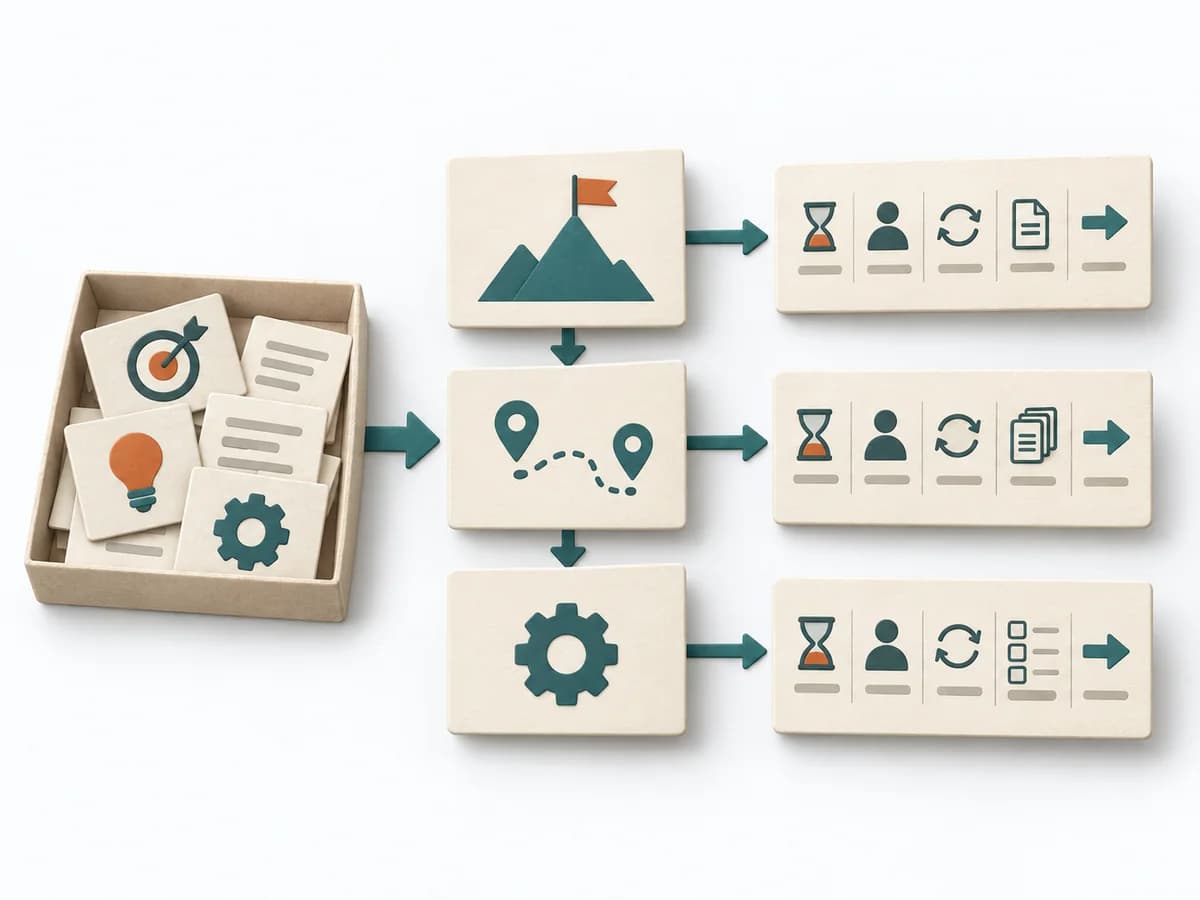 Business Strategy Strategic, Tactical and Operational Planning | 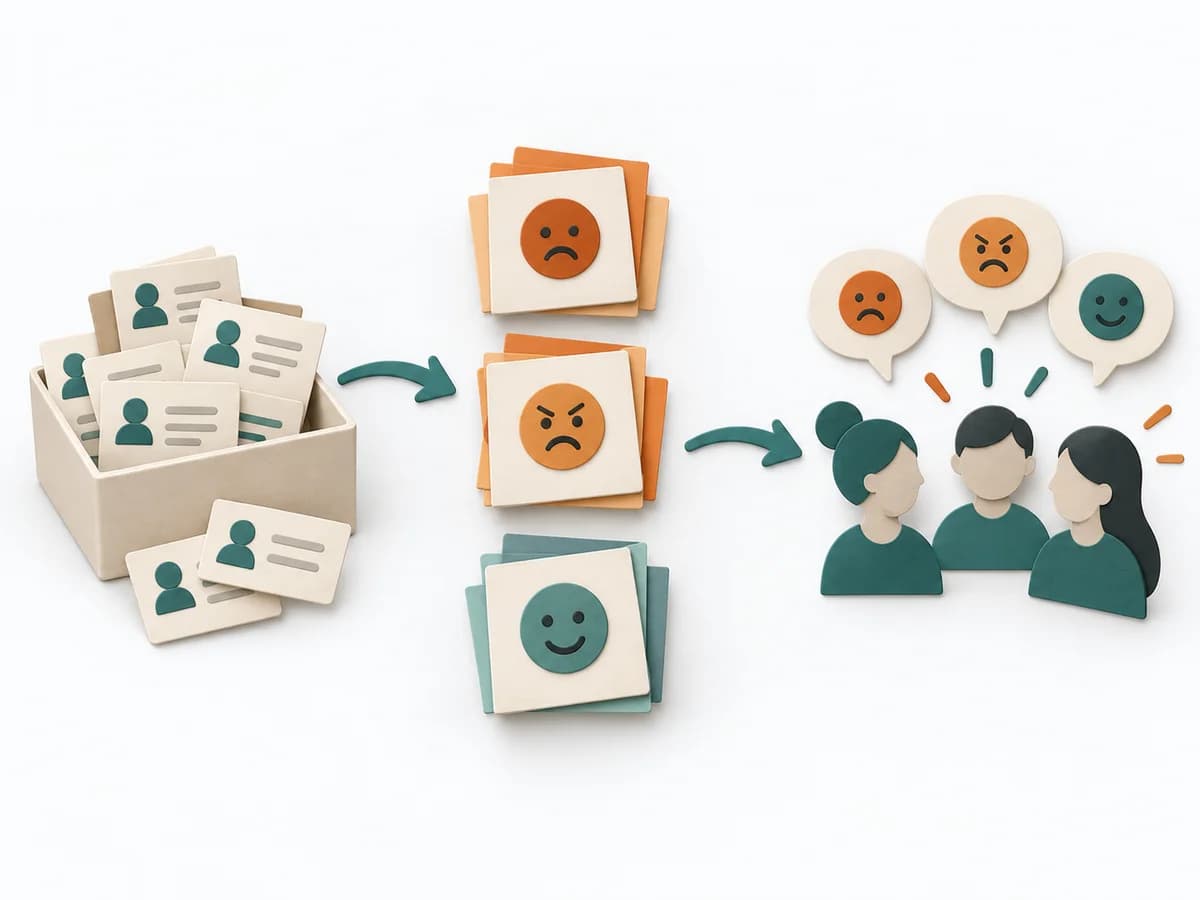 Agile Mad Sad Glad |  Architecture Architecture Decision Record | 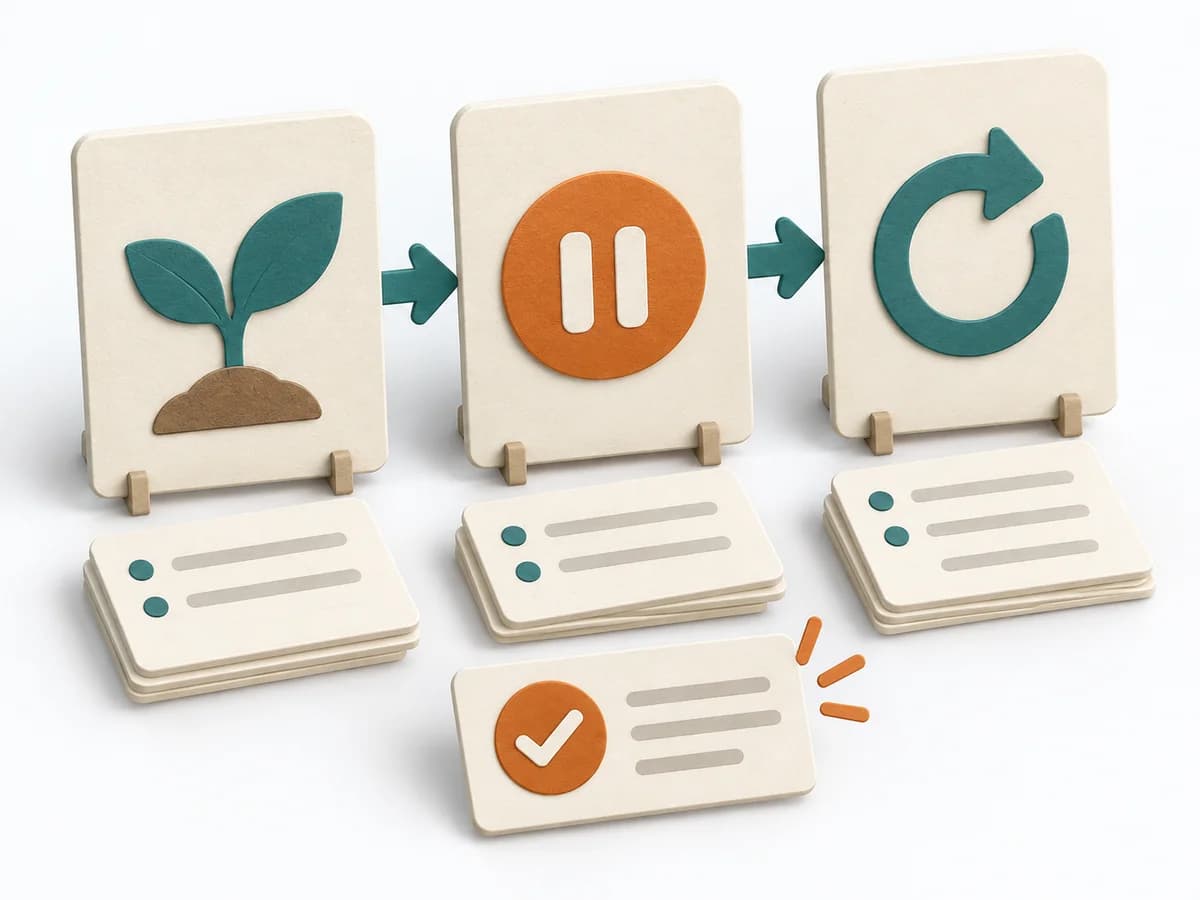 Agile Start Stop Continue |
|---|---|---|---|---|
Purposedifferent | It places decisions and artifacts at the right level. Strategic planning clarifies direction, tactical planning translates it into programs, and operational planning steers concrete processes. | When a team's or workshop's mood needs to become readable, it structures emotional signals with little setup. It makes strain, relief, and sources of energy tangible. | An ADR permanently records an architecture decision with context, trade-offs, and consequence. It creates continuity for later changes because the decision path stays traceable. | When a team wants to deliberately adjust its working behavior, it makes habits visible and assessable. It focuses on concrete changes instead of diffuse mood. |
Complexitydifferent | Medium | Low | Low | Low |
Timedifferent | 90-180 min | 30-60 min | 15-45 min | 30-60 min |
Participantsdifferent | 4-12 | 3-10 | 1-3 | 3-12 |
Formatdifferent | Workshop | Workshop | Async | Workshop |
Outputdifferent | Planning Levels Map, Cadence Model, Planning Artifact Inventory | Emotion Board, Themes, Action Items | ADR File, Decision Log, Rationale | Start Stop Continue Board, Improvement Actions |
Tagsno overlap | CadenceGovernanceExecution | RetrospectiveTeamReflection | ArchitectureRationaleDocumentationGovernance | RetrospectiveImprovementTeamReflection |