View methods side by side.
Choose up to four methods. Add them using the search and share the comparison by copying its link.
| Criterion | 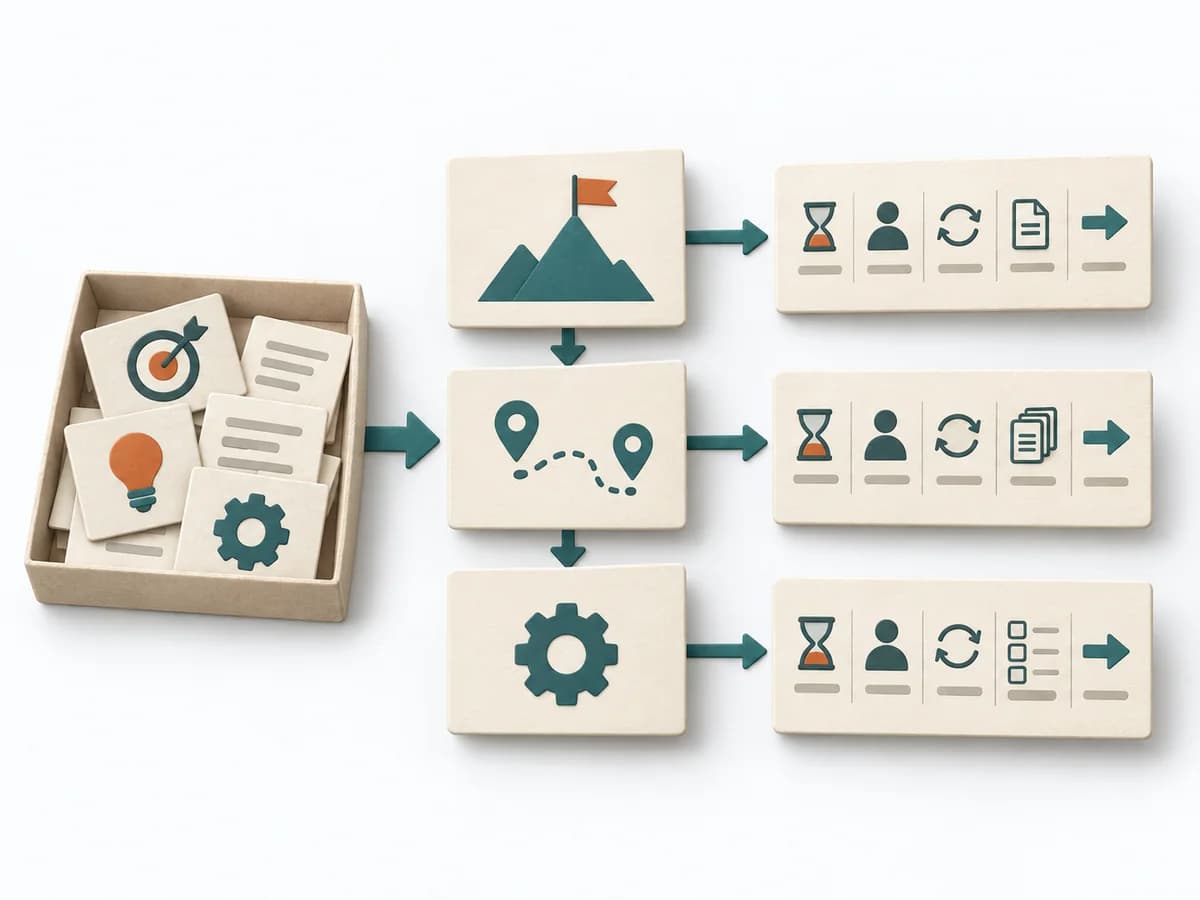 Business Strategy Strategic, Tactical and Operational Planning | 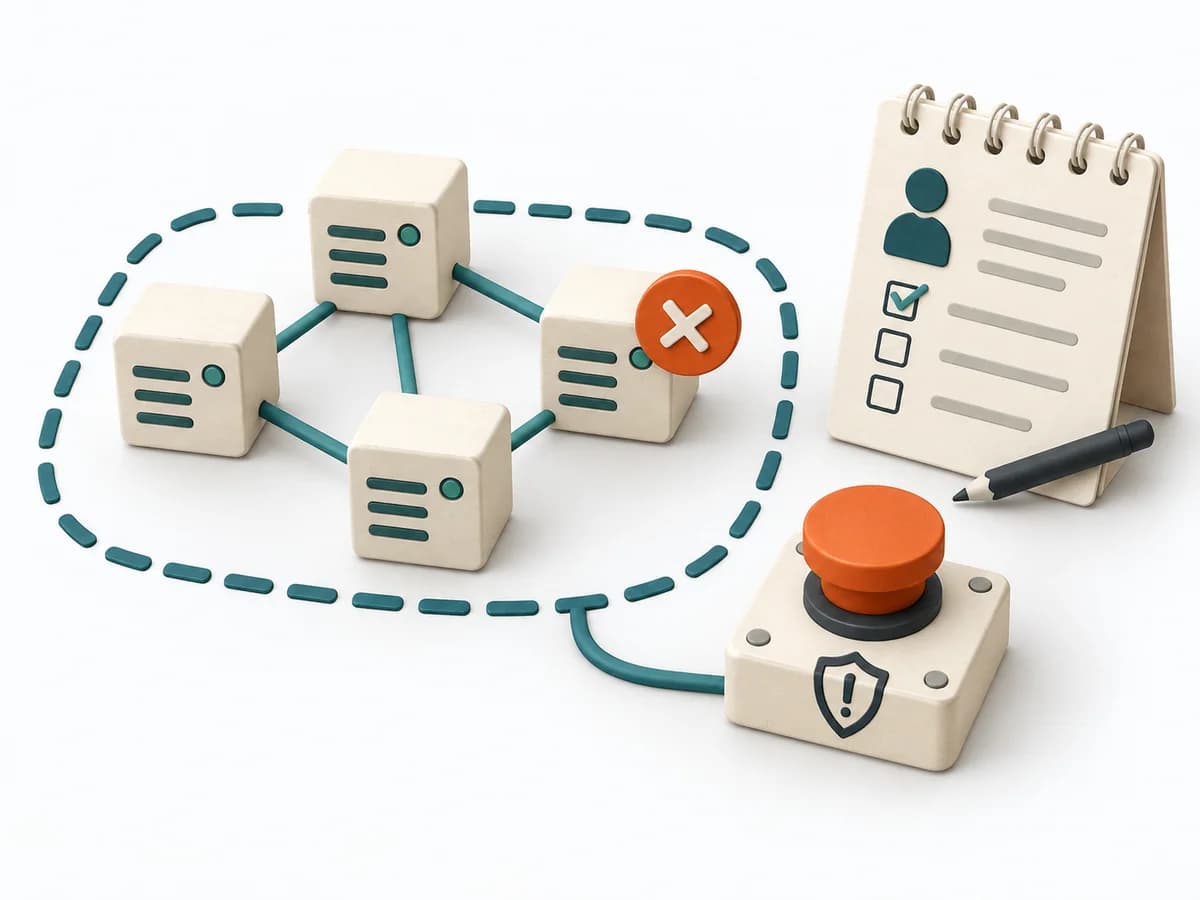 DevOps Game Day |  Operations After-Action Review |  DevOps Incident Command |
|---|---|---|---|---|
Purposedifferent | It places decisions and artifacts at the right level. Strategic planning clarifies direction, tactical planning translates it into programs, and operational planning steers concrete processes. | In preparing for rare incidents, the method tests response capability under controlled conditions. It shows where assumptions about stability, roles, and recovery are too optimistic. | After missions or project phases with unclear outcomes, the method makes visible what actually happened and what can be learned from it. It separates course, effect, and causes so experience turns into solid improvement. | During an acute incident with several people involved, the method creates a clear leadership and communication structure. It reduces chaos when fast coordination and clean situational awareness are both needed at once. |
Complexitydifferent | Medium | High | Low | Medium |
Timedifferent | 90-180 min | Halber Tag | 20-45 min | As needed |
Participantsdifferent | 4-12 | 5-20 | 3-12 | 4-15 |
Formatdifferent | Workshop | Workshop | Workshop + async | Workshop + async |
Outputdifferent | Planning Levels Map, Cadence Model, Planning Artifact Inventory | Simulation Notes, Gaps List, Updated Runbooks | Lessons learned, Action items, Event summary | Incident Log, Action Tracker, Stakeholder Updates |
Tagsno overlap | CadenceGovernanceExecution | ResilienceOperationsIncident | LearningOperationsImprovement | IncidentOperationsReliability |