View methods side by side.
Choose up to four methods. Add them using the search and share the comparison by copying its link.
| Criterion | 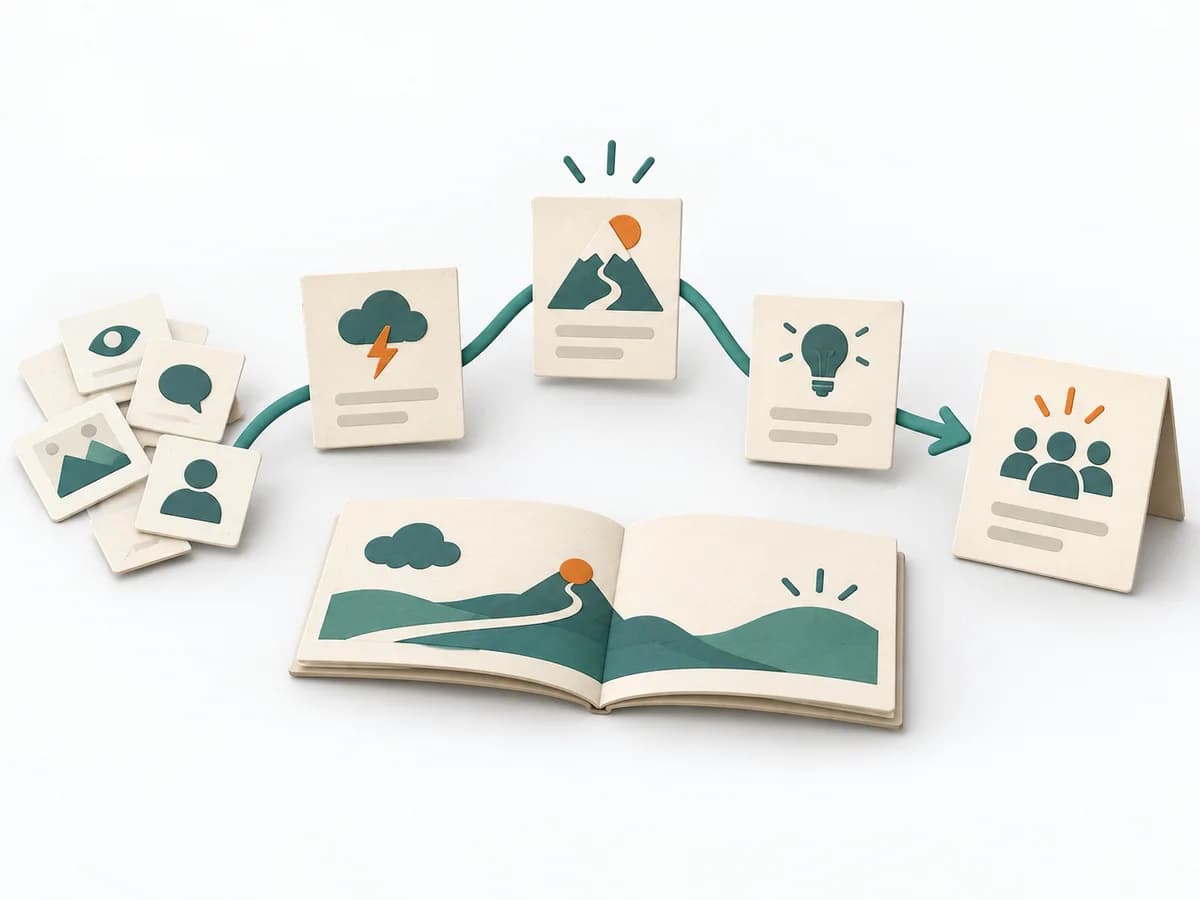 Facilitation Storytelling | 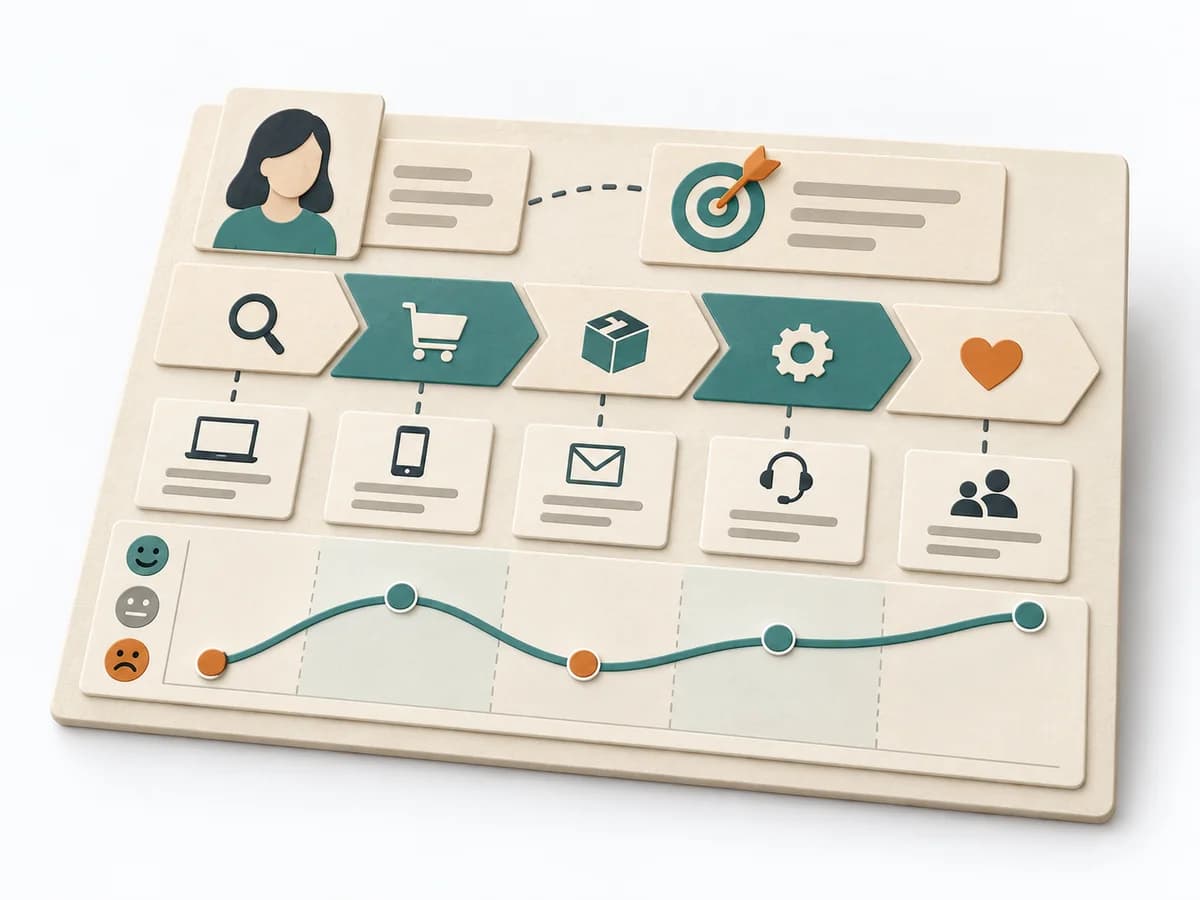 UX Design Customer Journey Canvas |  UX Research Customer Journey Mapping | 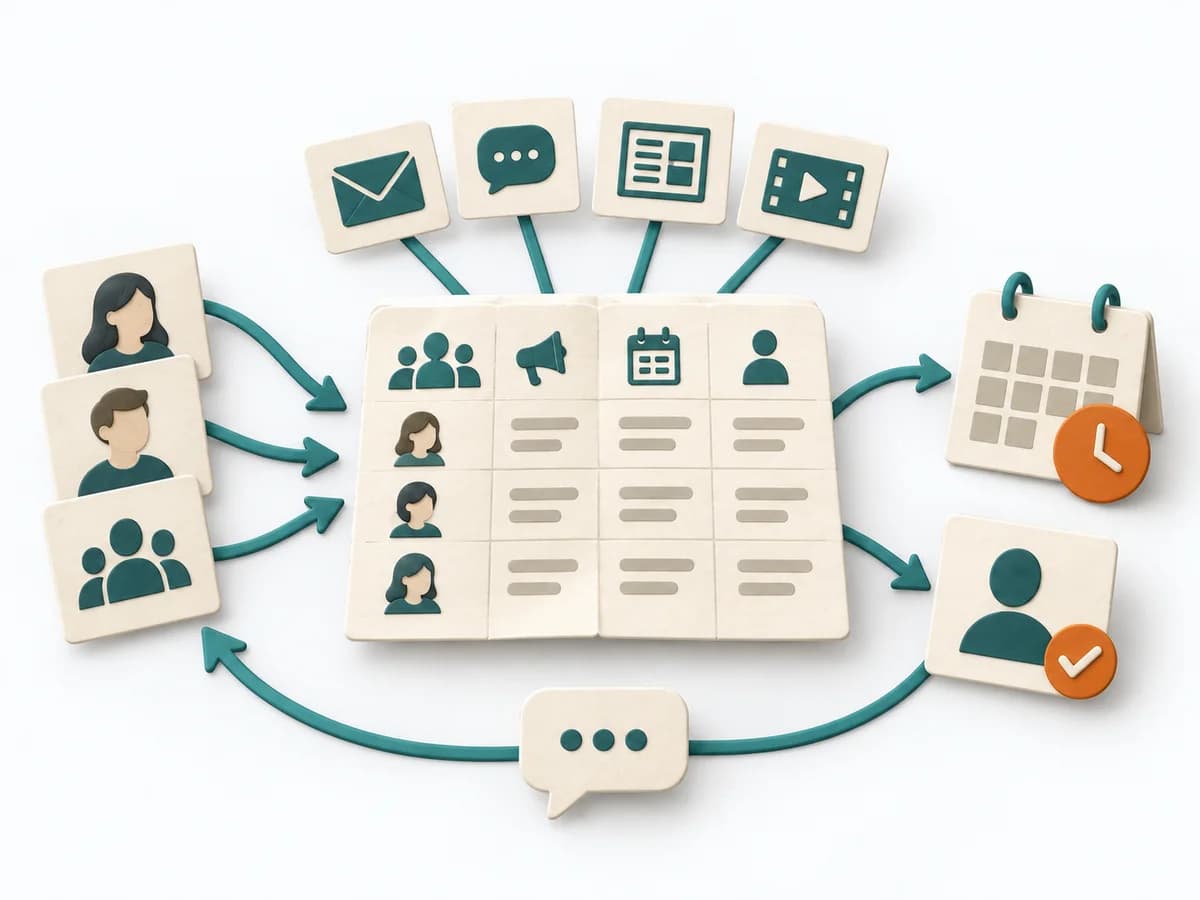 Delivery Communication Plan |
|---|---|---|---|---|
Purposedifferent | When an insight needs to have an effect, storytelling translates dry facts into a comprehensible development. It combines context, tension, and consequence into a form that people remember and pass on more easily. | When a journey needs to be understood across several phases, it arranges experience, touchpoints, and opportunities into one picture. It makes gaps and friction along the user path clear. | When a user journey falls apart across many touchpoints, customer journey mapping makes the experience visible as a coherent arc. Phases, emotions, and breaks become legible enough to prioritize critical moments deliberately. | When many people need to be informed in parallel and messages would otherwise arrive unevenly or too late, a Communication Plan orders communication reliably. Channels, audiences, and cadences interlock so important information doesn't get lost. |
Complexitydifferent | Medium | Medium | Medium | Low |
Timedifferent | 45-120 min | 1-3 h | 2-4 h | 45-90 min |
Participantsdifferent | 1-6 | 3-10 | 4-10 | 2-6 |
Formatdifferent | Workshop + async | Workshop | Workshop | Workshop + async |
Outputdifferent | Narrative Outline, Key Message, Story Arc | Customer Journey Canvas, Pain Points, Experience Opportunities | Journey Map, Pain-point List, Opportunity Backlog | Communication Plan, Channel Matrix, Message Cadence |
Tagsno overlap | CommunicationNarrativeStakeholdersFacilitation | JourneyCustomerService designCanvas | JourneyServiceService design | CommunicationStakeholdersDeliveryPlanning |