View methods side by side.
Choose up to four methods. Add them using the search and share the comparison by copying its link.
| Criterion | 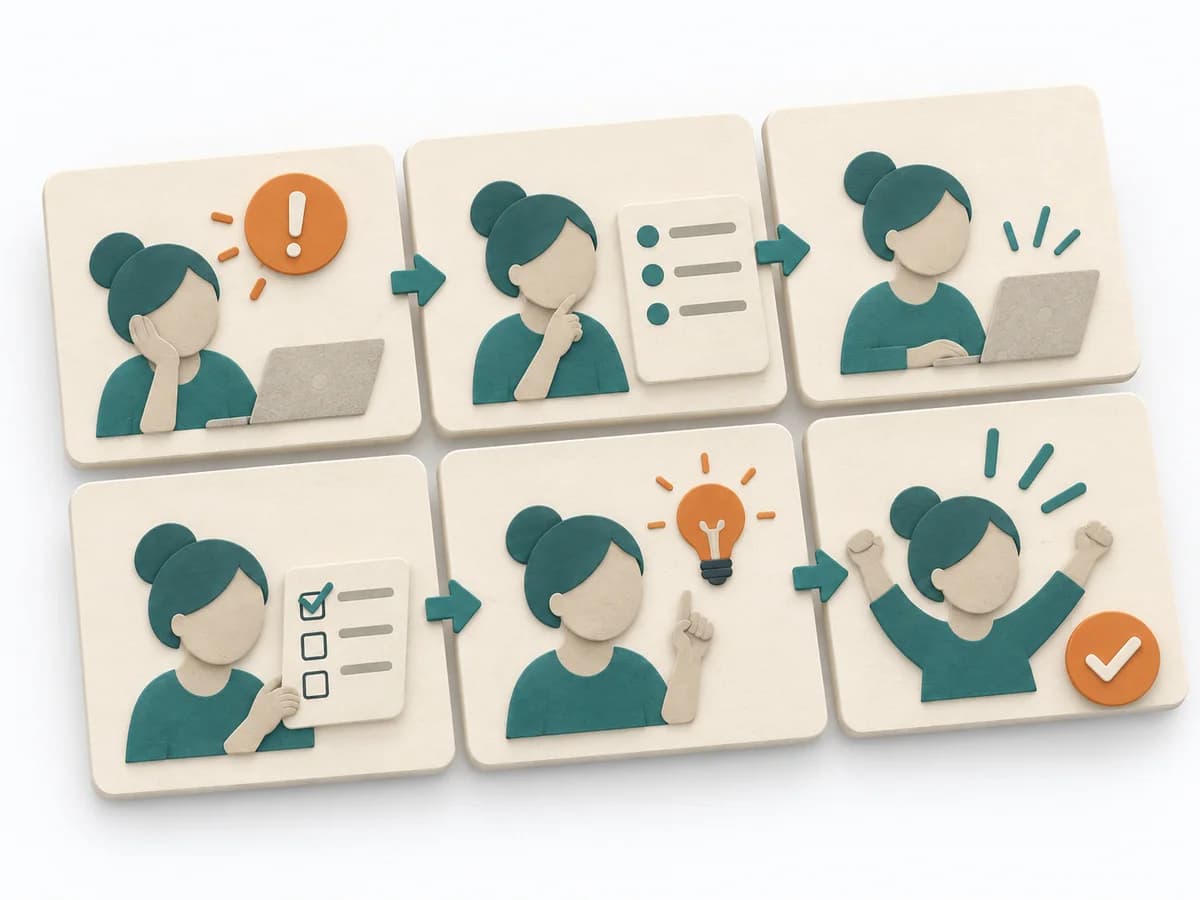 UX Design Storyboarding | 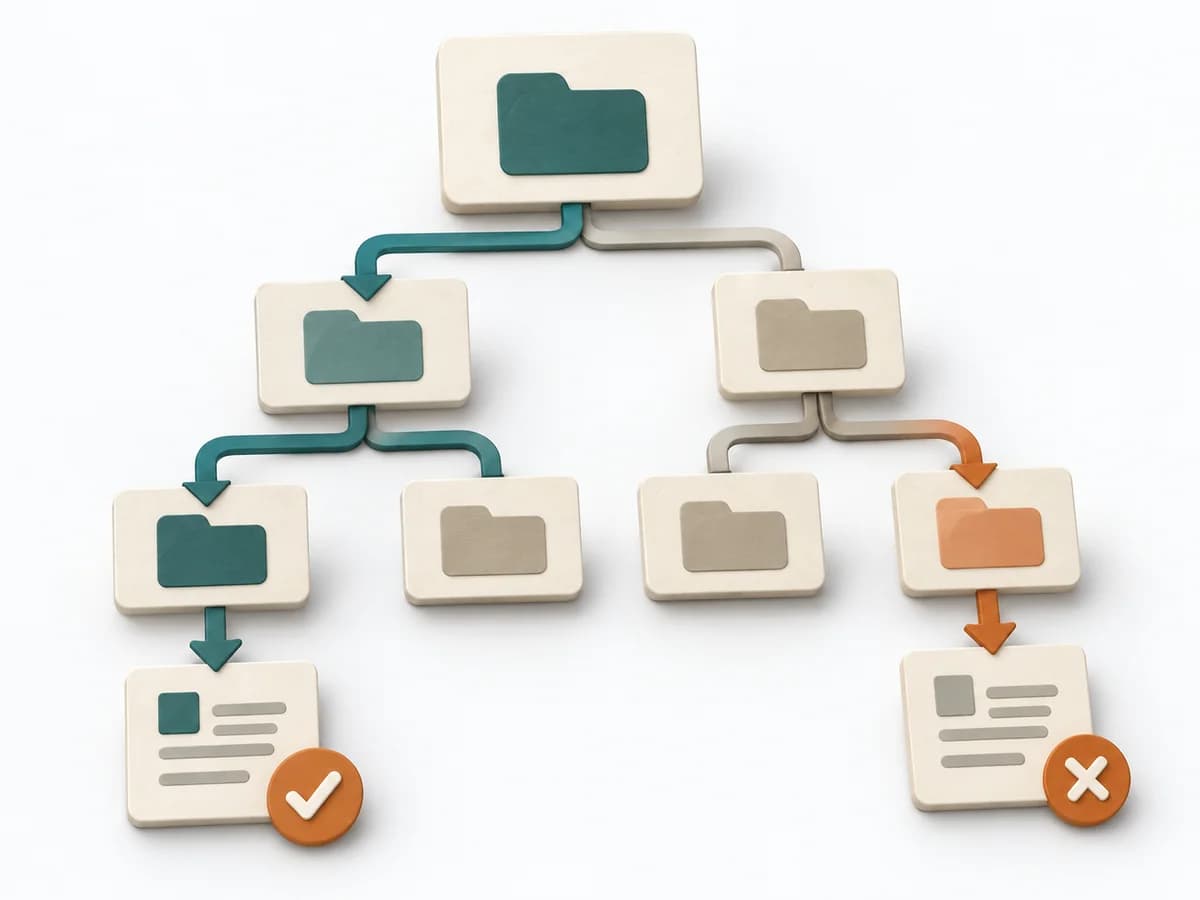 UX Research Tree Testing |  Knowledge Modeling Concept Mapping | 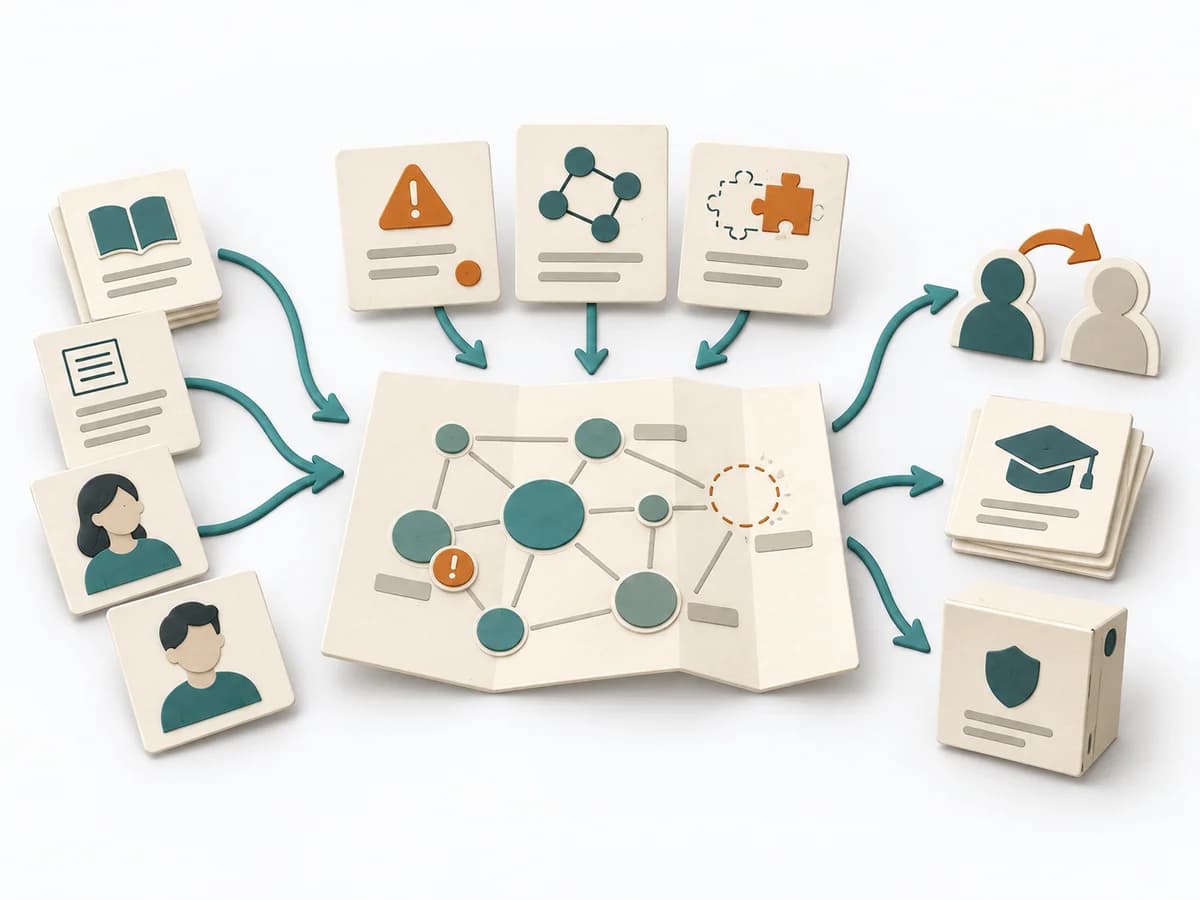 Knowledge Modeling Knowledge Mapping |
|---|---|---|---|---|
Purposedifferent | When a usage scenario needs to become understandable early, it condenses situations, context, and flow into a legible sequence. It helps check concept ideas before anything gets built. | When a navigation exists but search paths still fail, tree testing checks findability without visual distraction. The method shows whether labels, levels, and paths really lead to the intended destination. | Concept Mapping arranges terms and relationships in a network that makes subject-matter connections tangible. It fits when a topic needs to be understood structurally rather than linearly. | Knowledge Mapping makes knowledge, gaps, and transfer paths visible across a field. It fits when expertise should not just exist but also be findable and transferable. |
Complexitysame | Medium | Medium | Medium | Medium |
Timedifferent | 30-90 min | 1-2 Tage | 1-2 h | 1-3 h |
Participantsdifferent | 1-8 | Based on research question | 1-8 | 3-12 |
Formatdifferent | Workshop + async | Async | Workshop + async | Workshop |
Outputdifferent | Storyboard, Concept Narrative, Testable Assumptions | Findability Metrics, Path Analysis, Revised IA | Concept Map, Relationship Labels, Knowledge Gaps | Knowledge Map, Critical Knowledge Areas, Transfer Plan |
Tagsno overlap | VisualizationConceptsSequencePrototype | Information architectureNavigationFindability | KnowledgeConceptsMappingSensemaking | KnowledgeMappingRisk |