View methods side by side.
Choose up to four methods. Add them using the search and share the comparison by copying its link.
| Criterion | 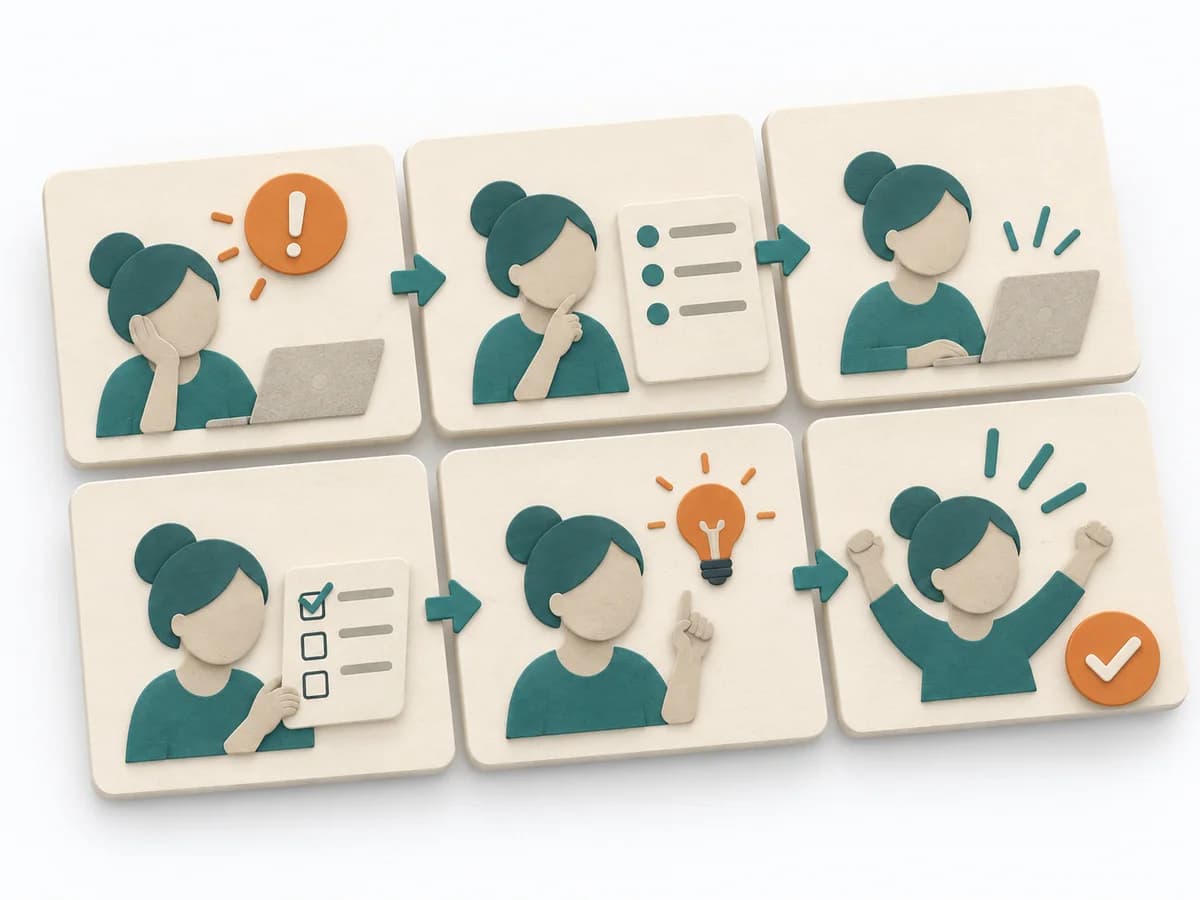 UX Design Storyboarding | 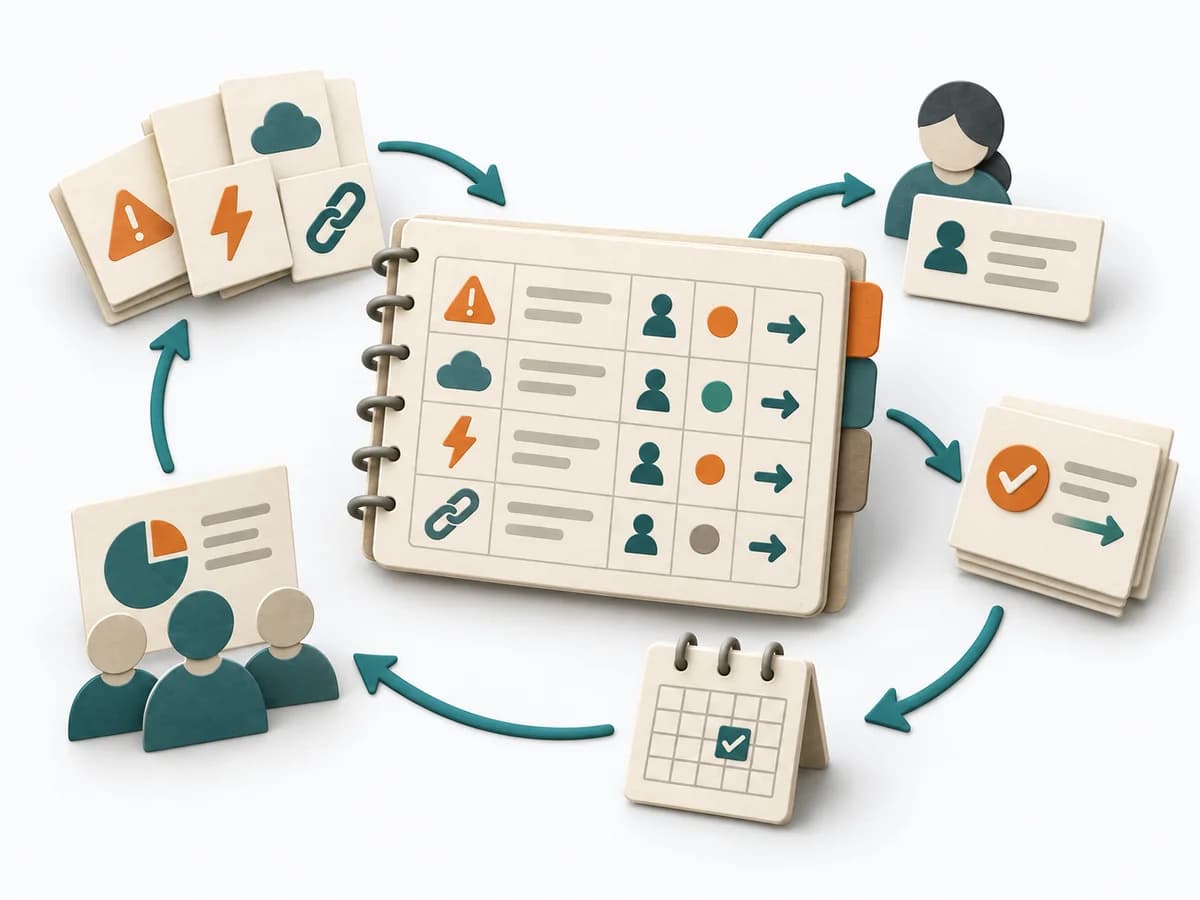 Delivery RAID Log |  Facilitation Alignment Mapping |  Facilitation Stakeholder Mapping |
|---|---|---|---|---|
Purposedifferent | When a usage scenario needs to become understandable early, it condenses situations, context, and flow into a legible sequence. It helps check concept ideas before anything gets built. | Helps clarify scope, sequence, and delivery flow in concrete terms. It makes work, boundaries, and order steerable. The result is captured as a RAID Log and a source for status reporting. | When several people work toward one goal but hold different mental maps, Alignment Mapping makes the discrepancies visible. It arranges goals, assumptions, and priorities so shared direction becomes verifiable. | When an initiative depends on many people, interests, and power dynamics, Stakeholder Mapping systematically orders the environment. It shows who influences, who is affected, and where relationship management or safeguarding matters first. |
Complexitydifferent | Medium | Low | Medium | Low |
Timedifferent | 30-90 min | 30 min Setup, dann laufend | 1-2 h | 60–90 min |
Participantsdifferent | 1-8 | 1-3 maintaining, briefing for everyone | 4-12 | 2-8 |
Formatdifferent | Workshop + async | Async | Workshop | Workshop + async |
Outputdifferent | Storyboard, Concept Narrative, Testable Assumptions | RAID Log, Status Report Source | Alignment Map, Open Issues, Decision Questions | Stakeholder Map, Engagement Plan, Risk Notes |
Tagsno overlap | VisualizationConceptsSequencePrototype | RiskTrackingStakeholdersGovernance | AlignmentStakeholdersStrategyFacilitation | StakeholdersAlignmentFacilitationChange |