View methods side by side.
Choose up to four methods. Add them using the search and share the comparison by copying its link.
| Criterion | 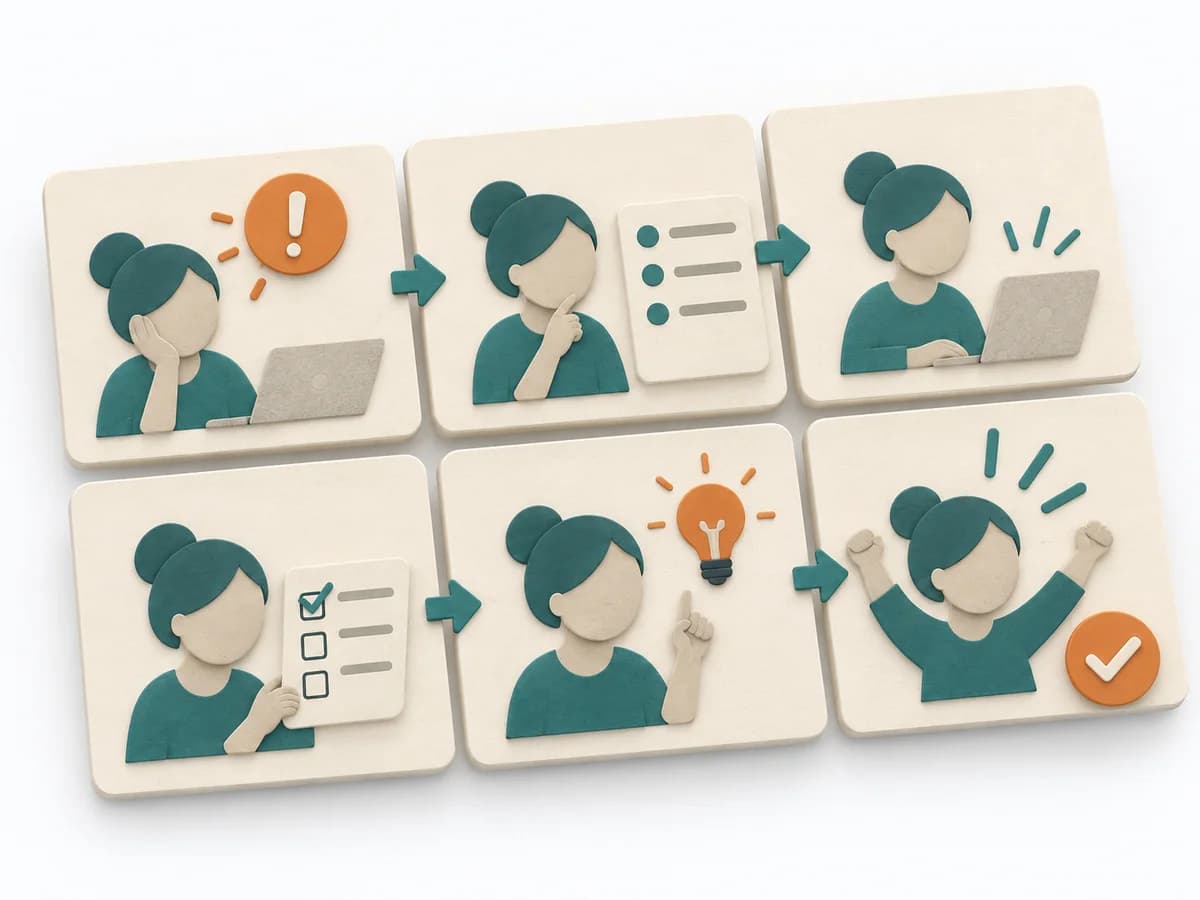 UX Design Storyboarding |  Knowledge Modeling Knowledge Mapping | 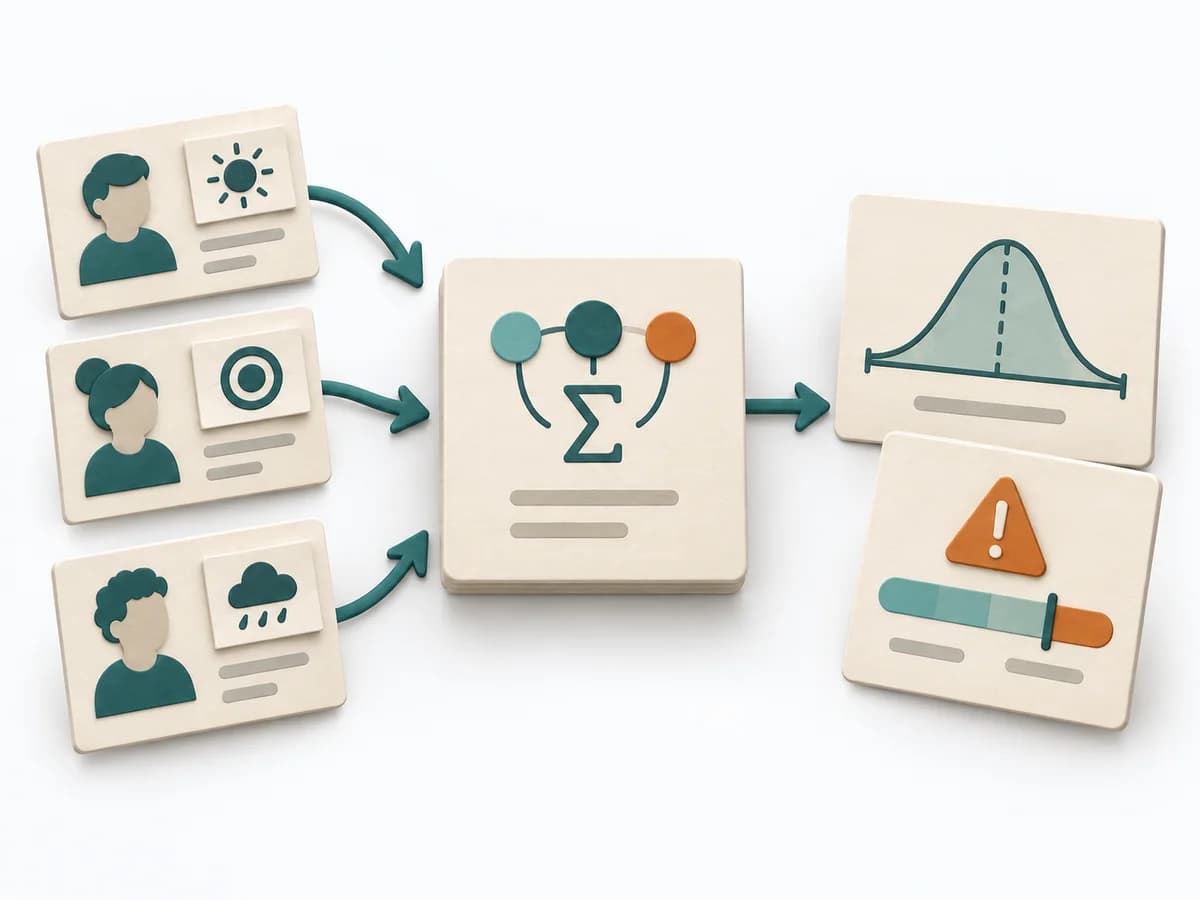 Decision Making PERT Estimation |  Knowledge Modeling Concept Mapping |
|---|---|---|---|---|
Purposedifferent | When a usage scenario needs to become understandable early, it condenses situations, context, and flow into a legible sequence. It helps check concept ideas before anything gets built. | Knowledge Mapping makes knowledge, gaps, and transfer paths visible across a field. It fits when expertise should not just exist but also be findable and transferable. | On complex initiatives, a plain average tends to understate just how uncertain the outcome really is. It separates options, evaluation criteria, and open risks. The result is captured as a PERT Estimate, Expected Value, and Risk Notes. | Concept Mapping arranges terms and relationships in a network that makes subject-matter connections tangible. It fits when a topic needs to be understood structurally rather than linearly. |
Complexitysame | Medium | Medium | Medium | Medium |
Timedifferent | 30-90 min | 1-3 h | 15-45 min | 1-2 h |
Participantsdifferent | 1-8 | 3-12 | 1-8 | 1-8 |
Formatdifferent | Workshop + async | Workshop | Workshop + async | Workshop + async |
Outputdifferent | Storyboard, Concept Narrative, Testable Assumptions | Knowledge Map, Critical Knowledge Areas, Transfer Plan | PERT Estimate, Expected Value, Risk Notes | Concept Map, Relationship Labels, Knowledge Gaps |
Tagsno overlap | VisualizationConceptsSequencePrototype | KnowledgeMappingRisk | EstimationUncertaintyRisk | KnowledgeConceptsMappingSensemaking |