View methods side by side.
Choose up to four methods. Add them using the search and share the comparison by copying its link.
| Criterion | 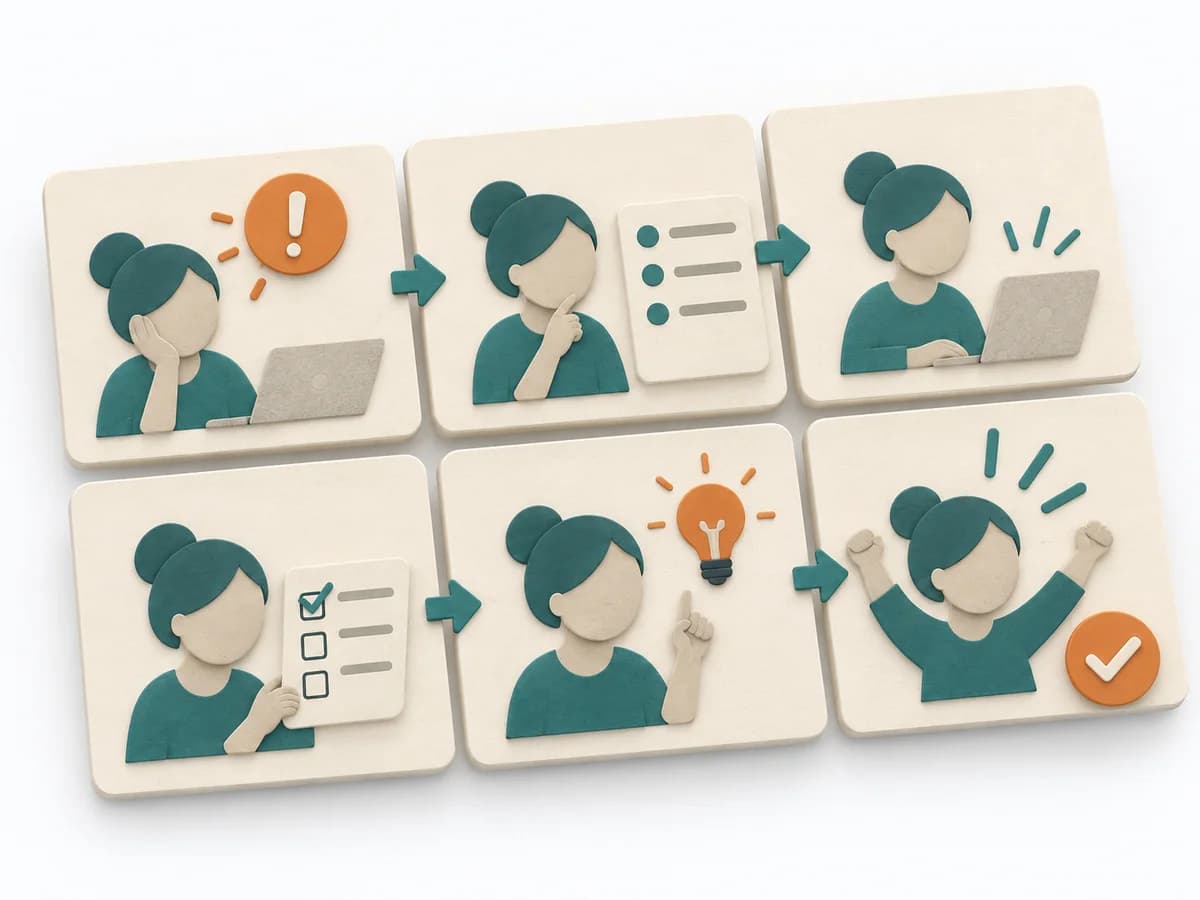 UX Design Storyboarding |  Innovation Design Thinking | 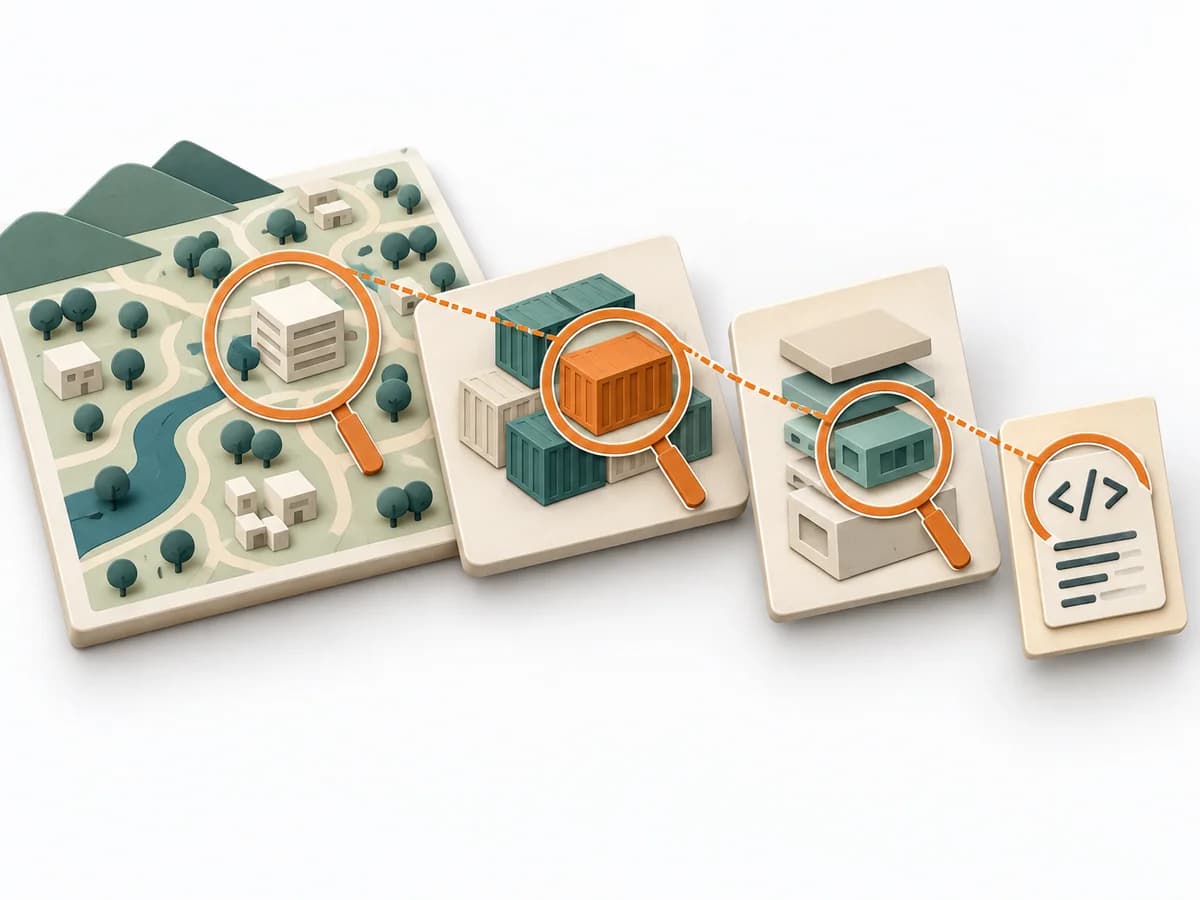 Architecture C4 Model | 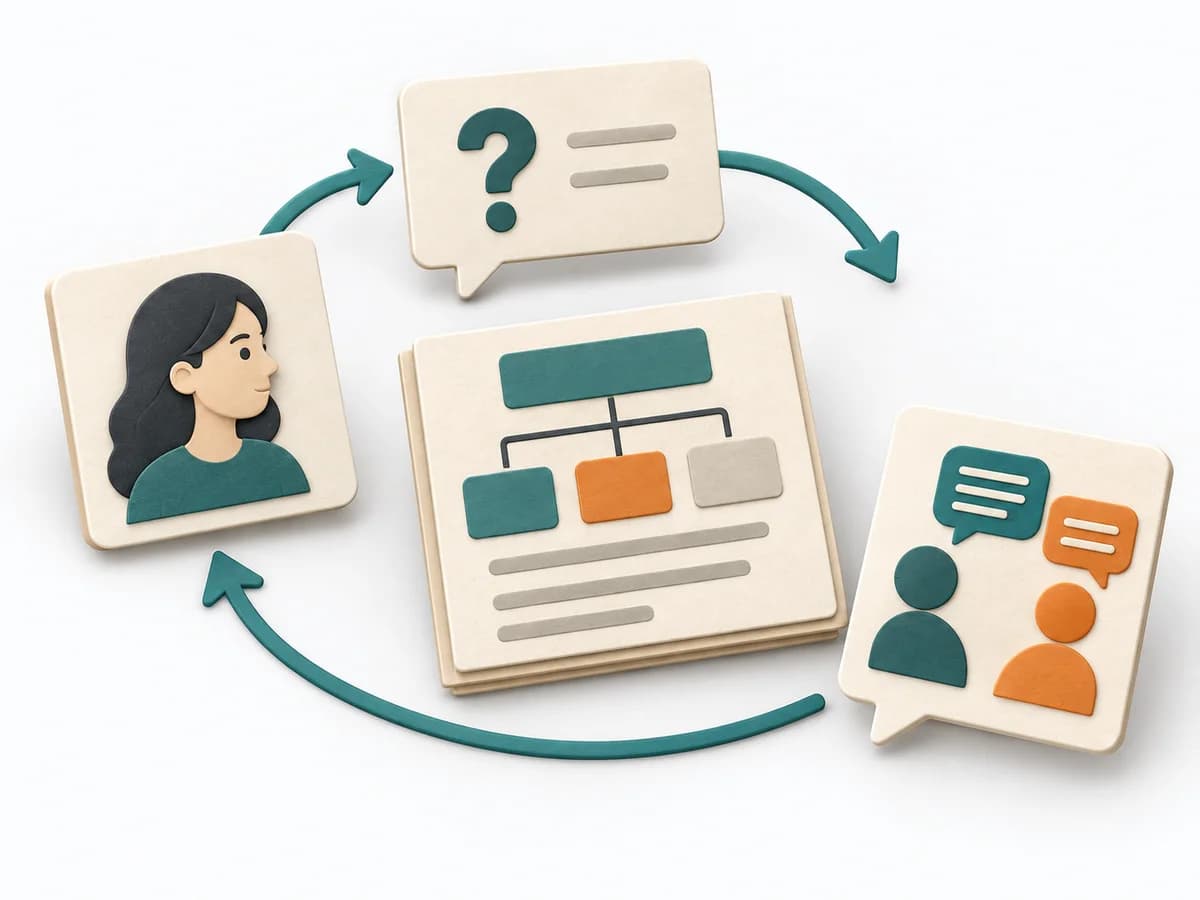 Architecture Architecture Communication Canvas |
|---|---|---|---|---|
Purposedifferent | When a usage scenario needs to become understandable early, it condenses situations, context, and flow into a legible sequence. It helps check concept ideas before anything gets built. | For complex user problems with an uncertain cause, the method connects observation, interpretation, and experiment into a learning cycle. It keeps the focus on real needs and avoids premature solution language. This produces robust decisions for product and service. | The C4 Model makes a system legible across several resolution levels, from context down to code. It suits situations where different audiences need to understand the same architecture from different altitudes. | The Architecture Communication Canvas plans architecture communication so the right people receive the right message. The method turns technical complexity into deliberate communication design. |
Complexitydifferent | Medium | High | Low | Medium |
Timedifferent | 30-90 min | 1 Tag bis mehrere Wochen | 1-4 h | 60-120 min |
Participantsdifferent | 1-8 | 4-10 | 1-5 | 2-8 |
Formatdifferent | Workshop + async | Workshop | Workshop + async | Workshop + async |
Outputdifferent | Storyboard, Concept Narrative, Testable Assumptions | Problem Statement, Prototype, Test Learnings | Context Diagram, Container Diagram, Component Diagram | Communication Canvas, Stakeholder Messages, Architecture Communication Plan |
Tagsno overlap | VisualizationConceptsSequencePrototype | InnovationPrototypeResearch | ArchitectureCommunicationVisualization | ArchitectureCommunicationStakeholdersCanvas |