View methods side by side.
Choose up to four methods. Add them using the search and share the comparison by copying its link.
| Criterion | 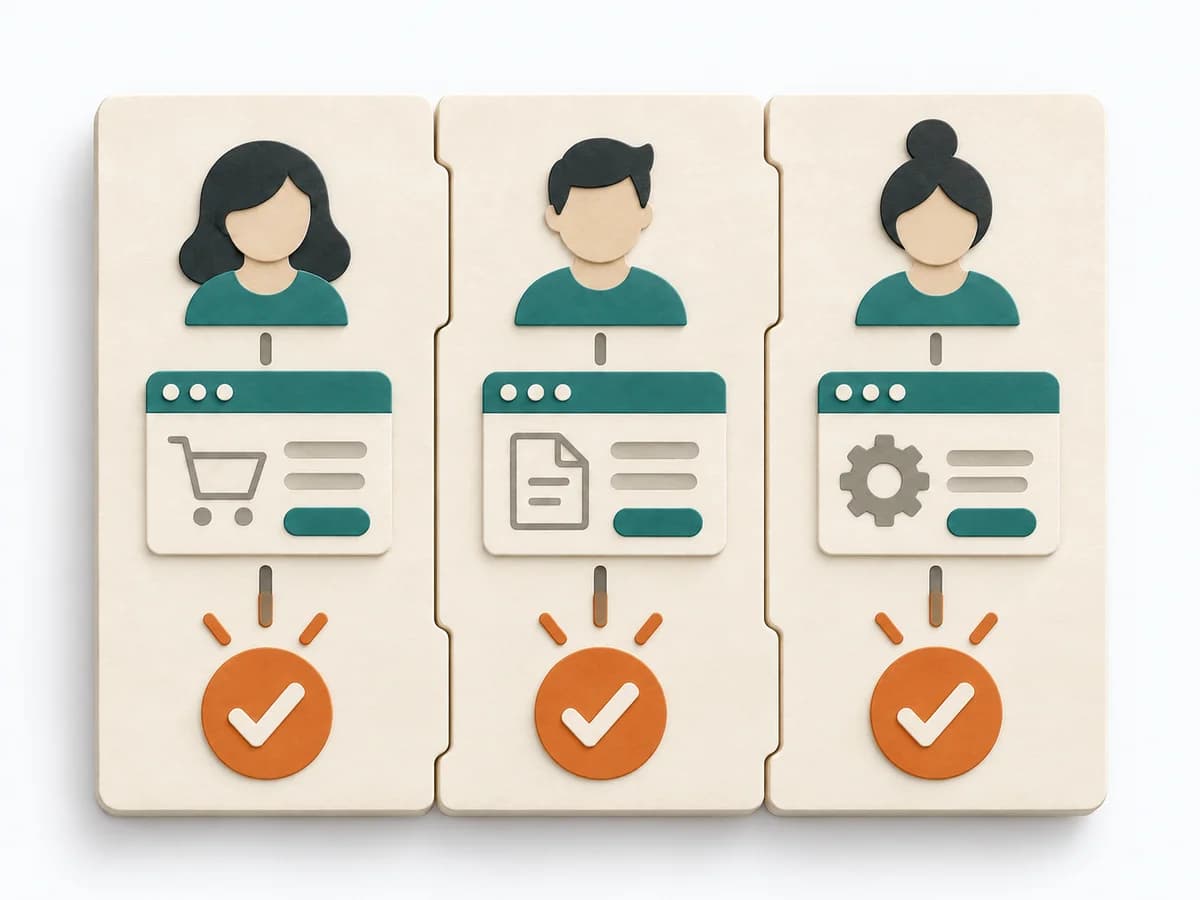 Agile Story Splitting | 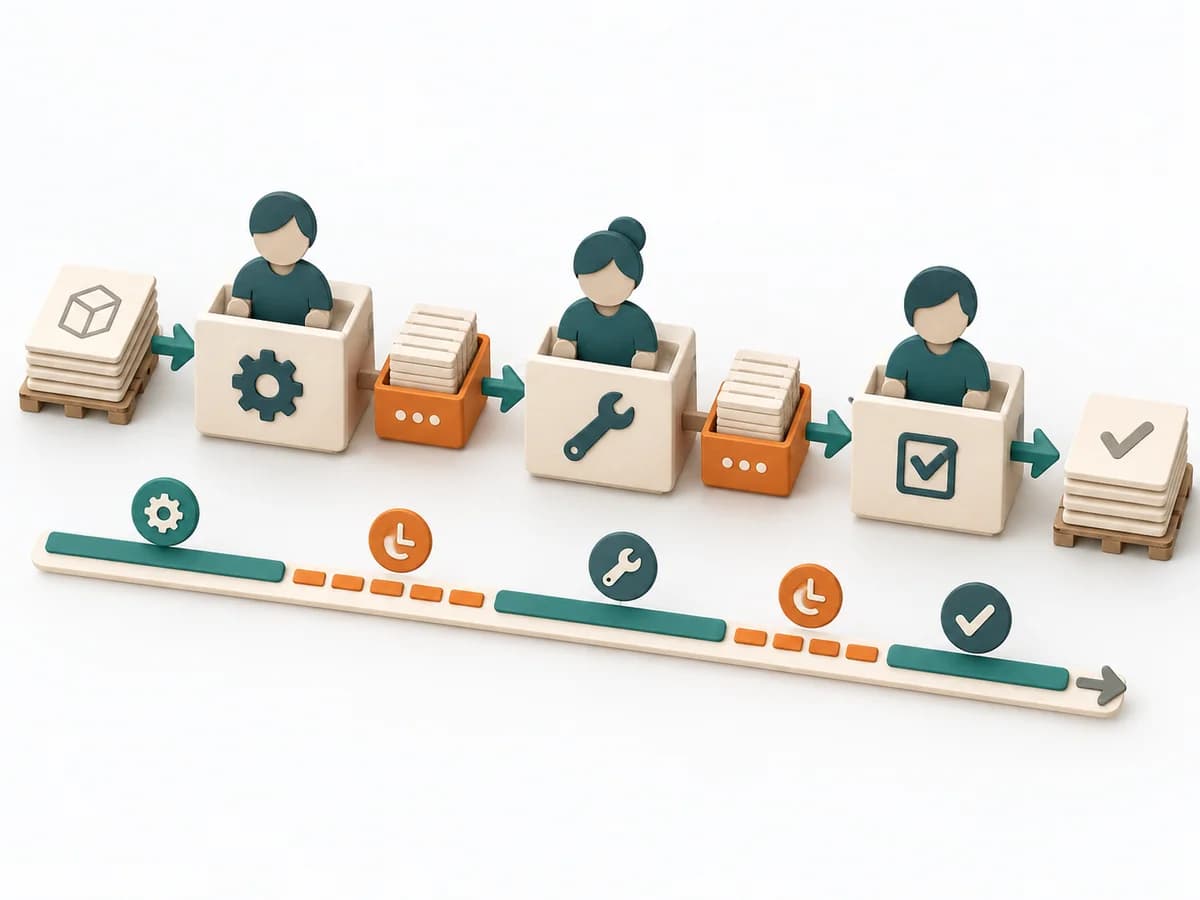 Delivery Value Stream Mapping | 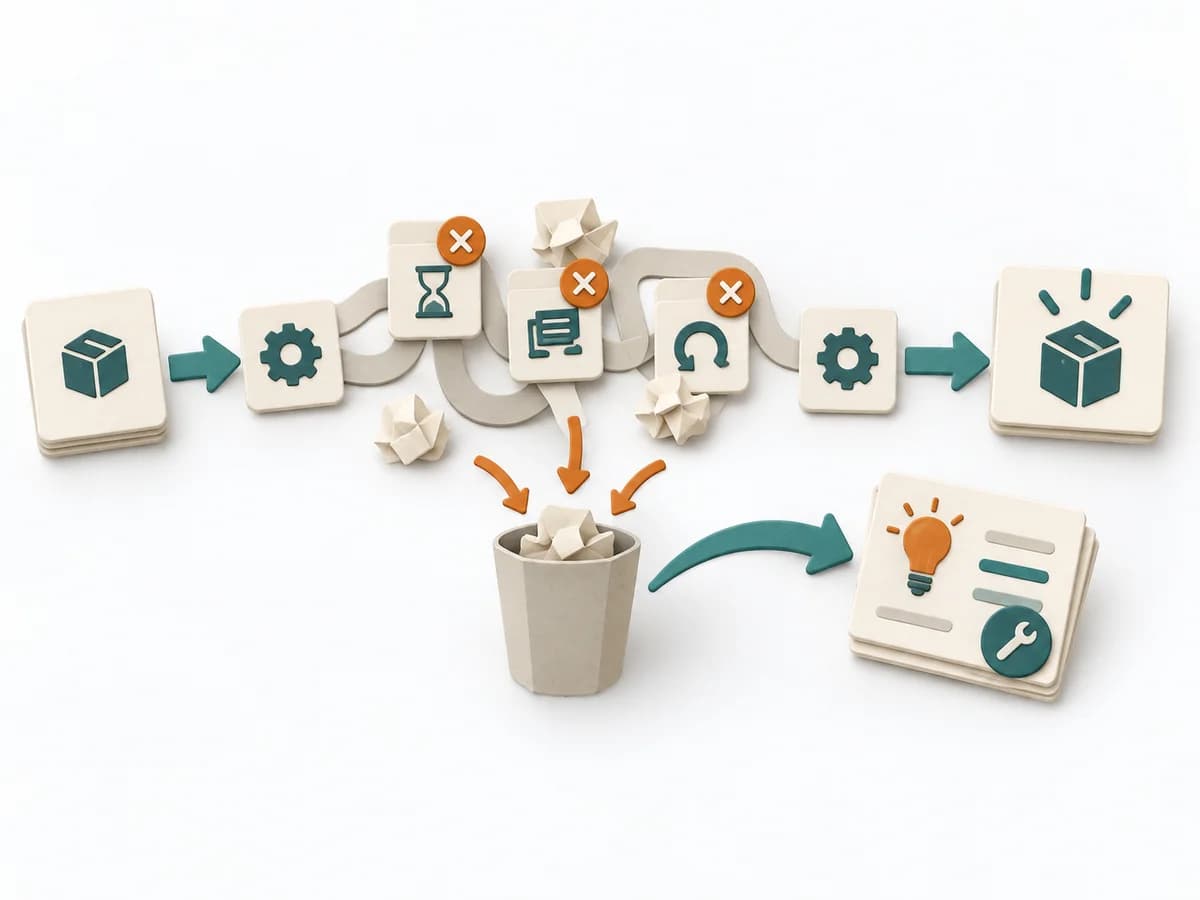 Operations Waste Analysis |  Operations 5 Whys |
|---|---|---|---|---|
Purposedifferent | When a story becomes too large for a clean flow, it breaks scope down along value and risk. It shapes the work into a form that ships earlier and is easier to verify. | When delivery work dissolves into wait times, handoffs, and hidden effort, Value Stream Mapping makes the actual flow visible. The method exposes bottlenecks, idle time, and feedback loops so lead time and improvement levers become tangible. | For a process that keeps people busy but creates little value, the method exposes waste. It directs attention to unnecessary movement, waiting times, rework, and overdelivery. | For a single, hard-to-explain deviation, the method exposes the causal chain behind the visible symptom. It keeps the cause open until a controllable condition emerges instead of a mere description. |
Complexitydifferent | Medium | Medium | Low | Low |
Timedifferent | 30-60 min | 1-3 h | 45-120 min | 15-30 min |
Participantsdifferent | 2-6 | 4-10 | 2-8 | 2-6 |
Formatdifferent | Workshop + async | Workshop | Workshop | Workshop |
Outputdifferent | Smaller Stories, Acceptance Criteria, Split Rationale | Current-state map, Future-state map, Bottleneck list | Waste Map, Prioritized Waste, Improvement Backlog | Root cause notes, Countermeasures |
Tagsno overlap | BacklogIterationDelivery | LeanFlowWasteDelivery | WasteLeanProcess improvement | Root causeIncidentLeanProblem solving |