View methods side by side.
Choose up to four methods. Add them using the search and share the comparison by copying its link.
| Criterion | 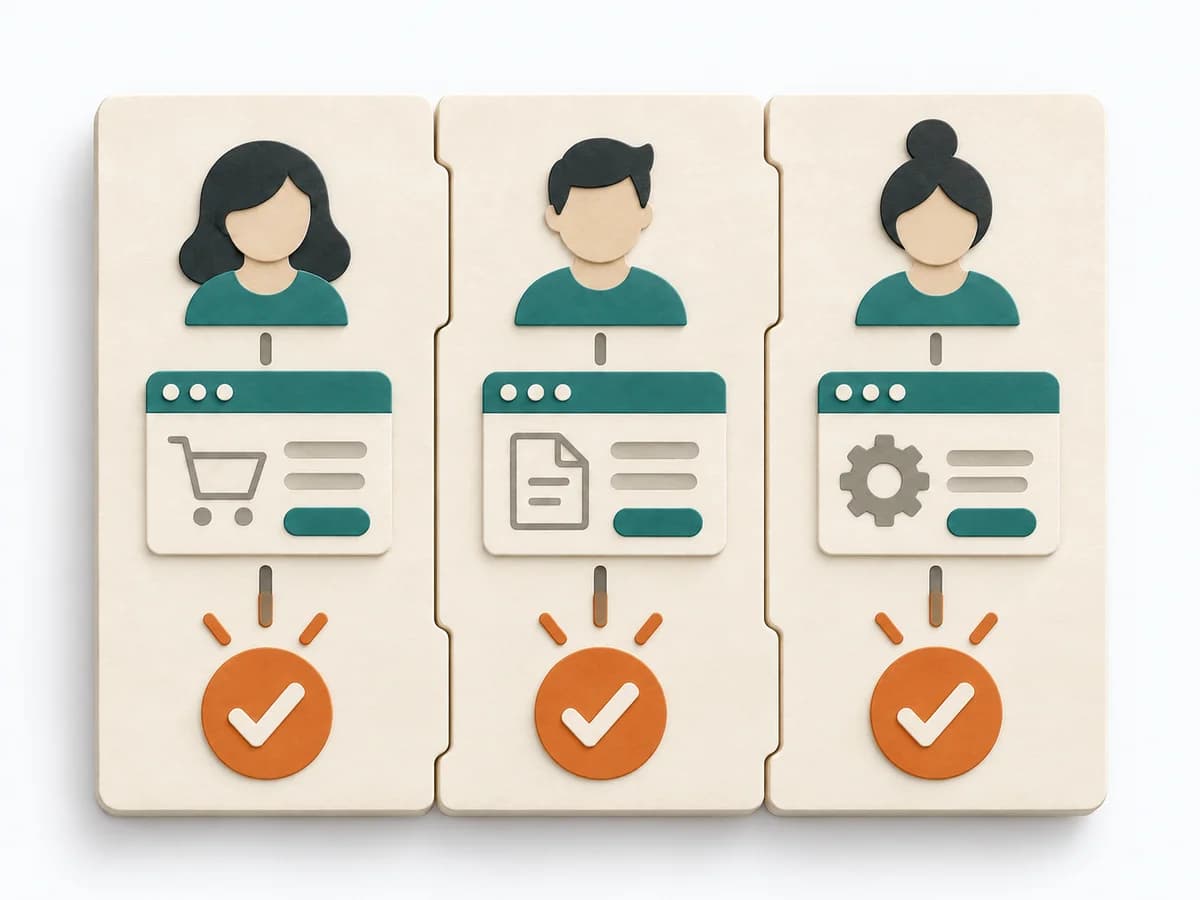 Agile Story Splitting | 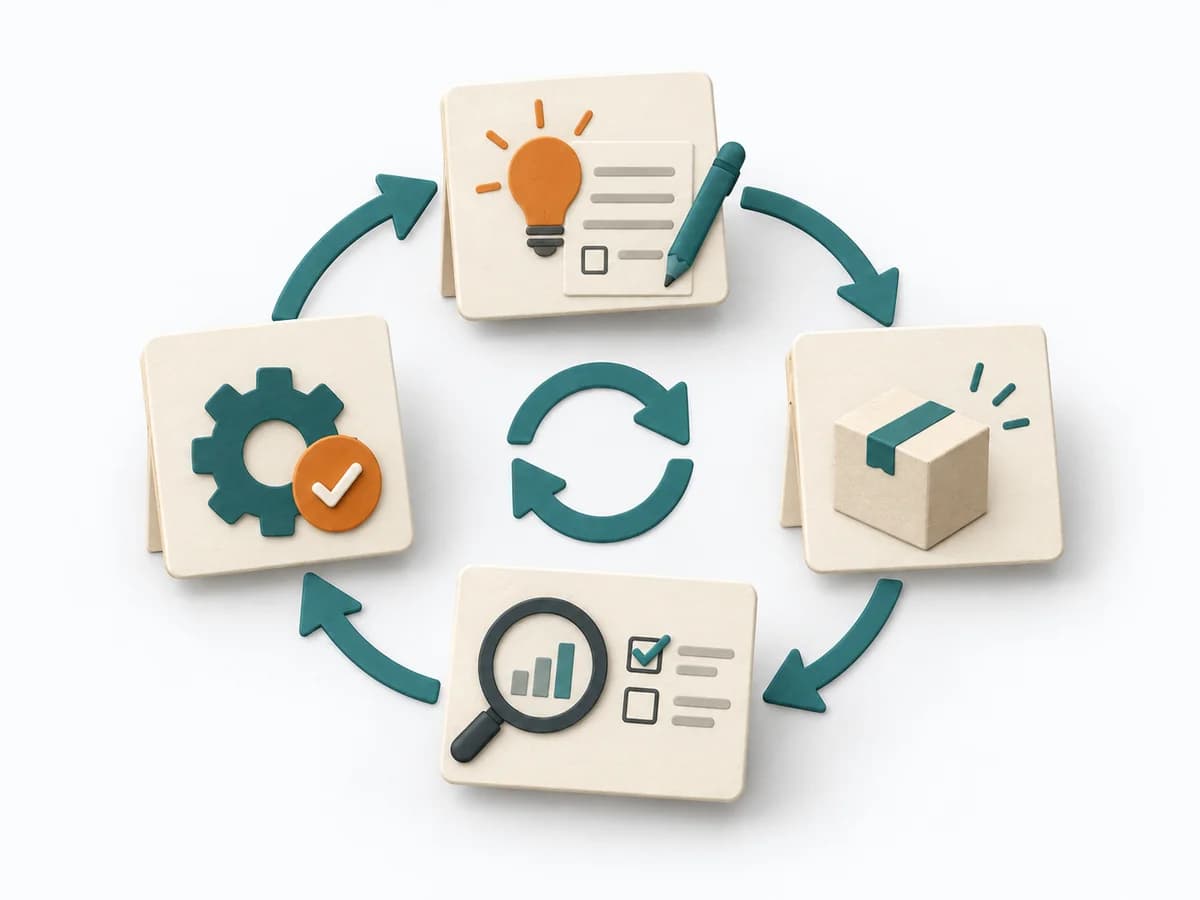 Operations PDCA Cycle | 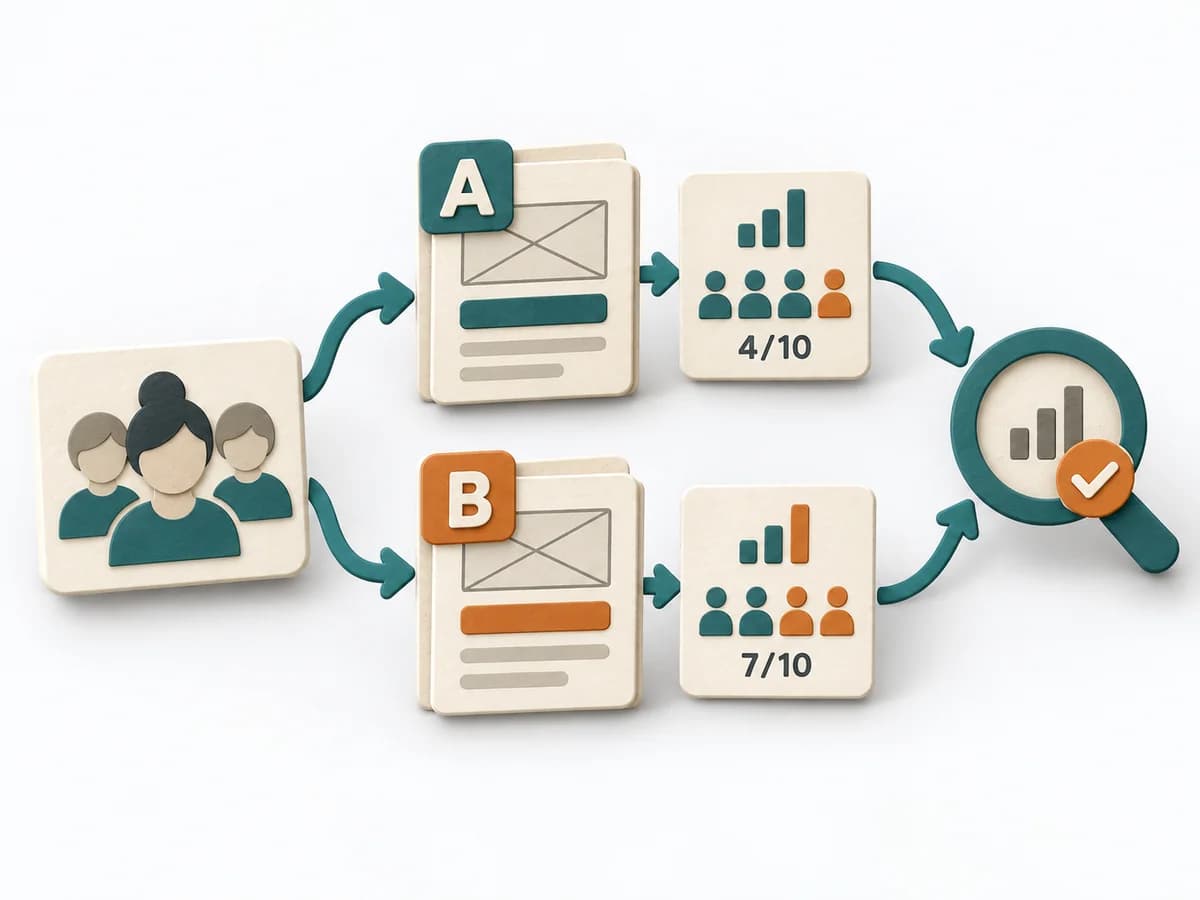 Growth A/B Testing |  Product Discovery Experiment Canvas |
|---|---|---|---|---|
Purposedifferent | When a story becomes too large for a clean flow, it breaks scope down along value and risk. It shapes the work into a form that ships earlier and is easier to verify. | For an improvement that still has to prove itself in everyday work, the method runs it through small learning loops. It connects planning, checking, and standardization into a repeatable learning mode. | When two variants compete, discussions quickly decide by taste rather than effect. A/B Testing checks behavior under controlled conditions and separates real improvement from chance or expectation effects. | When experiments become unreadable after the fact, it arranges hypothesis, signal, and learning goal on a single canvas. It separates problem, assumption, solution, and evidence. The result is captured as a Completed Experiment Canvas and a Success Metric. |
Complexitydifferent | Medium | Low | High | Low |
Timedifferent | 30-60 min | 1 h bis mehrere Wochen | 1-4 Wochen | 30-60 min |
Participantsdifferent | 2-6 | 1-8 | 1-6 | 1-5 |
Formatdifferent | Workshop + async | Workshop + async | Async | Workshop + async |
Outputdifferent | Smaller Stories, Acceptance Criteria, Split Rationale | PDCA Log, Experiment Plan, Learning Outcome, Standard Change | Experiment results, Decision log, Learning summary | Completed Experiment Canvas, Success Metric |
Tagsno overlap | BacklogIterationDelivery | Continuous improvementLeanExperiments | ExperimentsGrowthAnalyticsValidation | ExperimentsValidationDiscoveryHypothesis |