View methods side by side.
Choose up to four methods. Add them using the search and share the comparison by copying its link.
| Criterion | 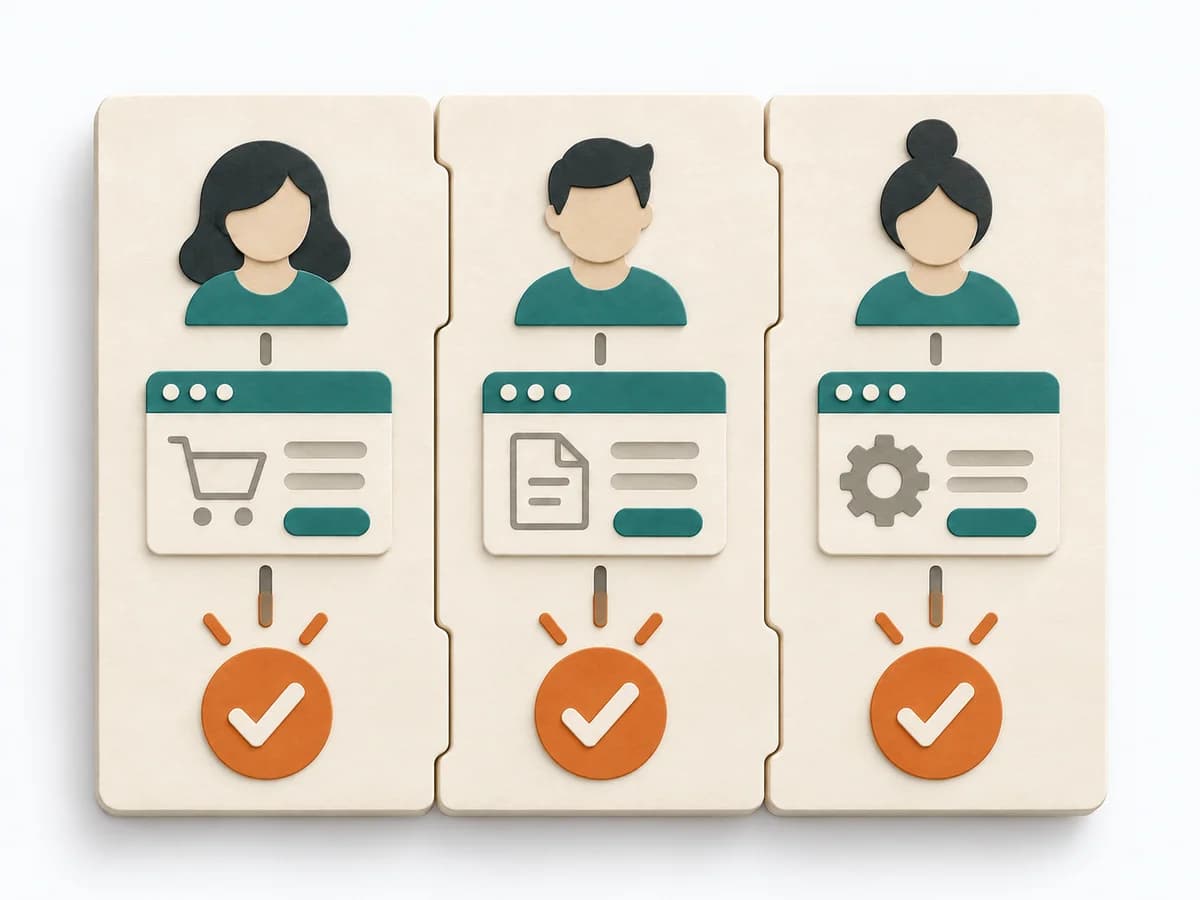 Agile Story Splitting | 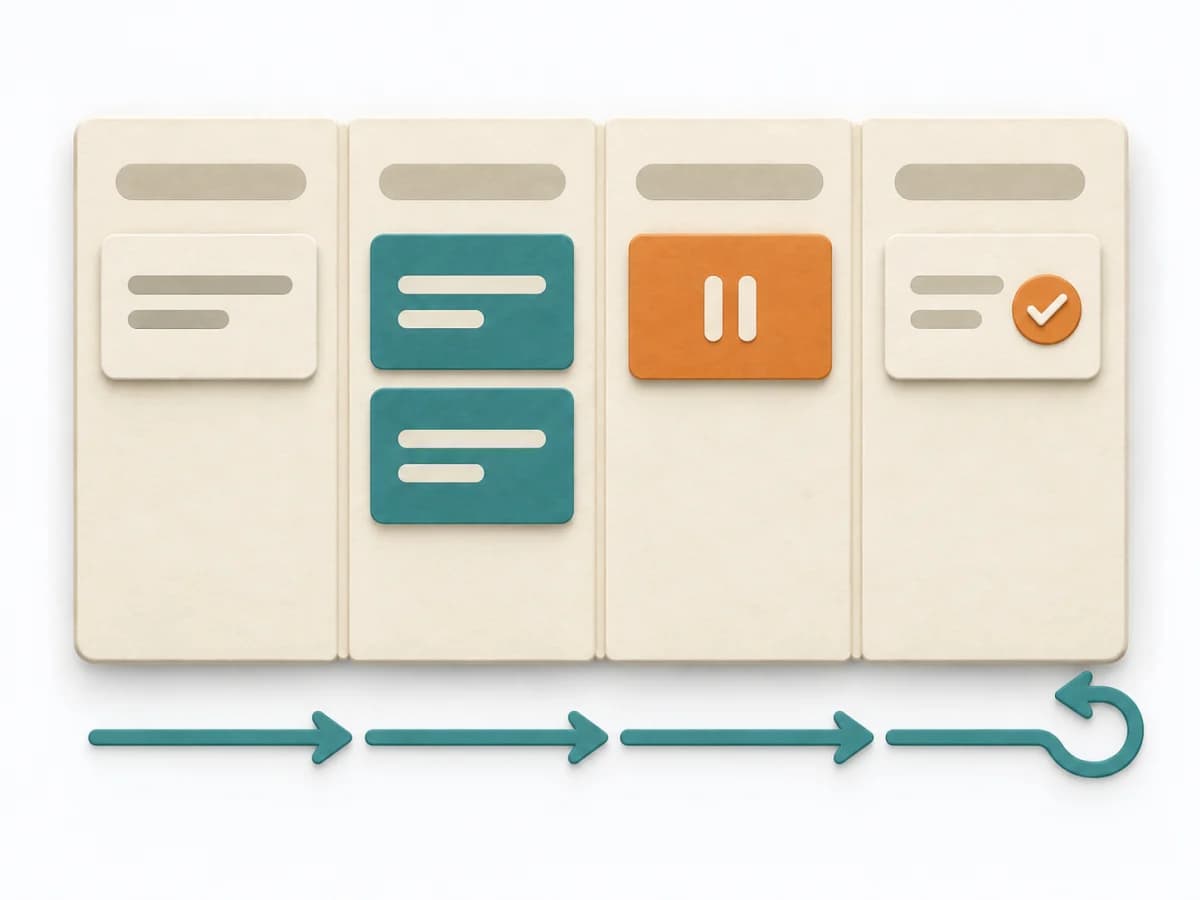 Engineering Kanban | 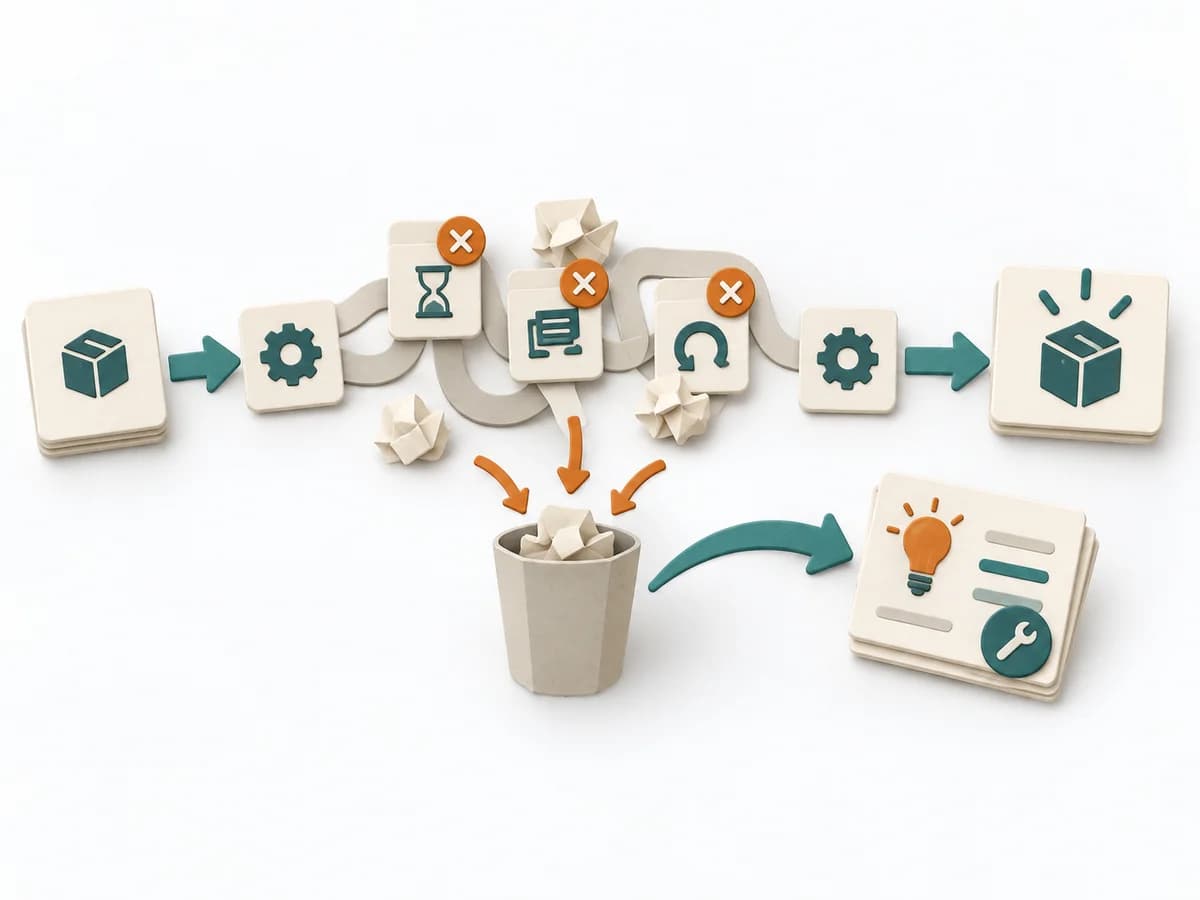 Operations Waste Analysis |  Operations 5 Whys |
|---|---|---|---|---|
Purposedifferent | When a story becomes too large for a clean flow, it breaks scope down along value and risk. It shapes the work into a form that ships earlier and is easier to verify. | When work sits in too many parallel streams, throughput suffers and no one sees the bottlenecks. Kanban makes the flow of work visible and limits overload so a system becomes calmer and more predictable. | For a process that keeps people busy but creates little value, the method exposes waste. It directs attention to unnecessary movement, waiting times, rework, and overdelivery. | For a single, hard-to-explain deviation, the method exposes the causal chain behind the visible symptom. It keeps the cause open until a controllable condition emerges instead of a mere description. |
Complexitydifferent | Medium | Medium | Low | Low |
Timedifferent | 30-60 min | Ongoing | 45-120 min | 15-30 min |
Participantsdifferent | 2-6 | 2-12 | 2-8 | 2-6 |
Formatdifferent | Workshop + async | Workshop + async | Workshop | Workshop |
Outputdifferent | Smaller Stories, Acceptance Criteria, Split Rationale | Kanban board, WIP policies, Flow metrics | Waste Map, Prioritized Waste, Improvement Backlog | Root cause notes, Countermeasures |
Tagsno overlap | BacklogIterationDelivery | FlowVisual managementDelivery | WasteLeanProcess improvement | Root causeIncidentLeanProblem solving |