View methods side by side.
Choose up to four methods. Add them using the search and share the comparison by copying its link.
| Criterion | 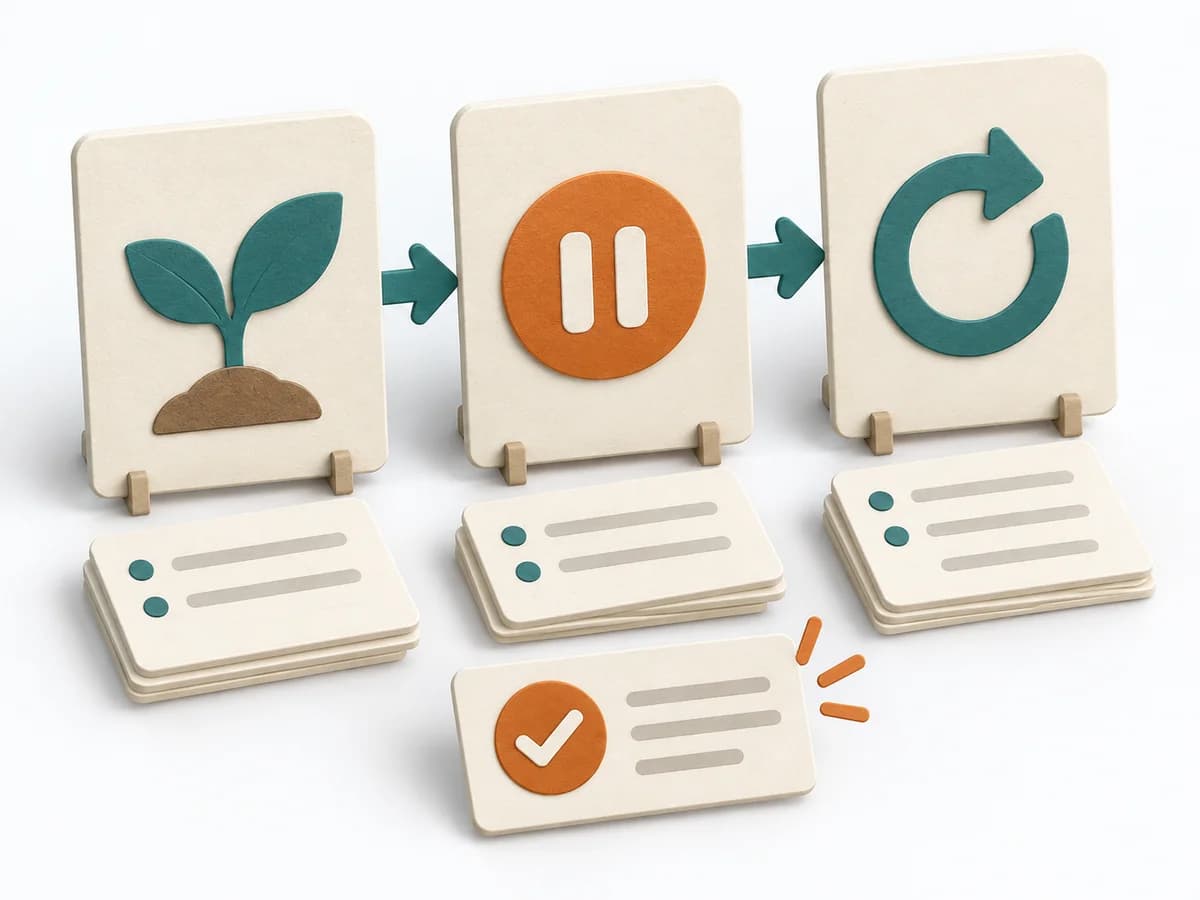 Agile Start Stop Continue | 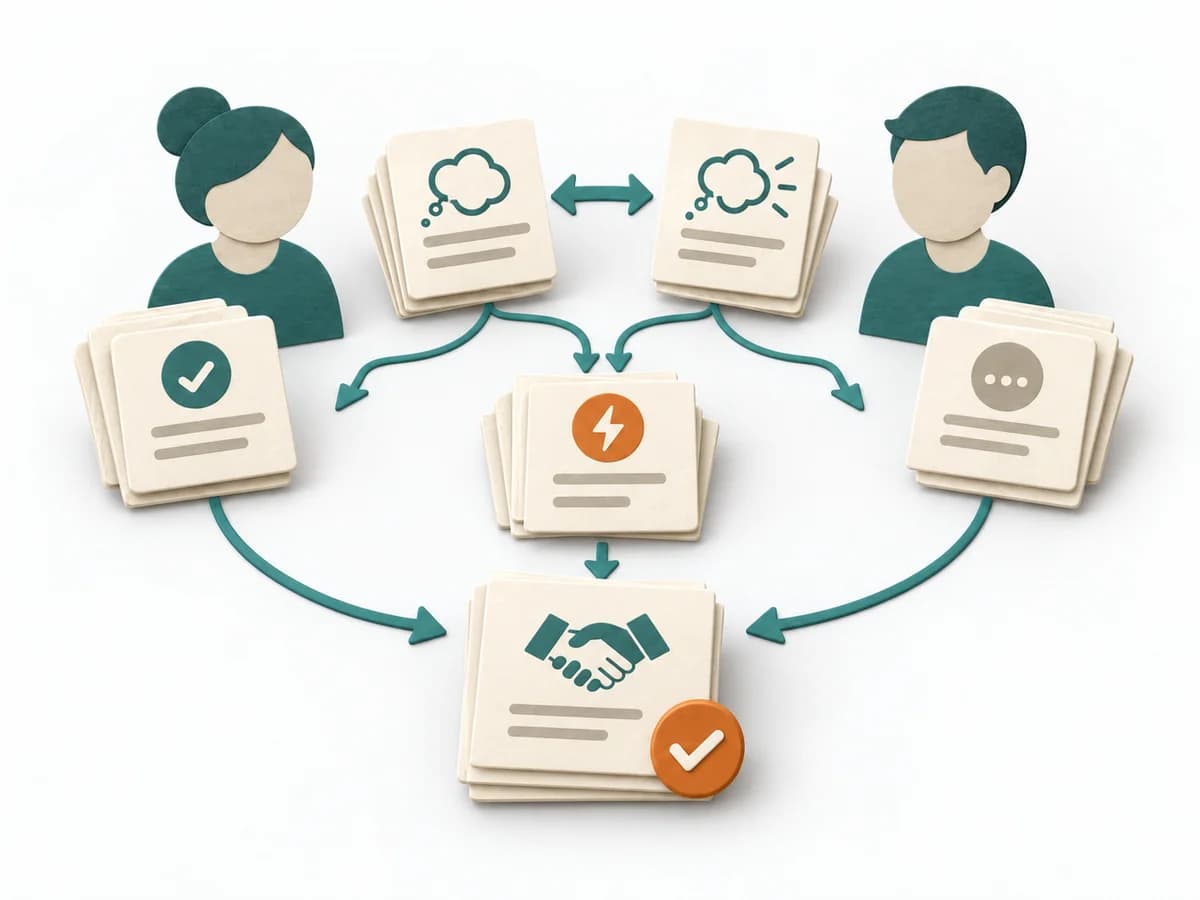 Facilitation Expectation Mapping | 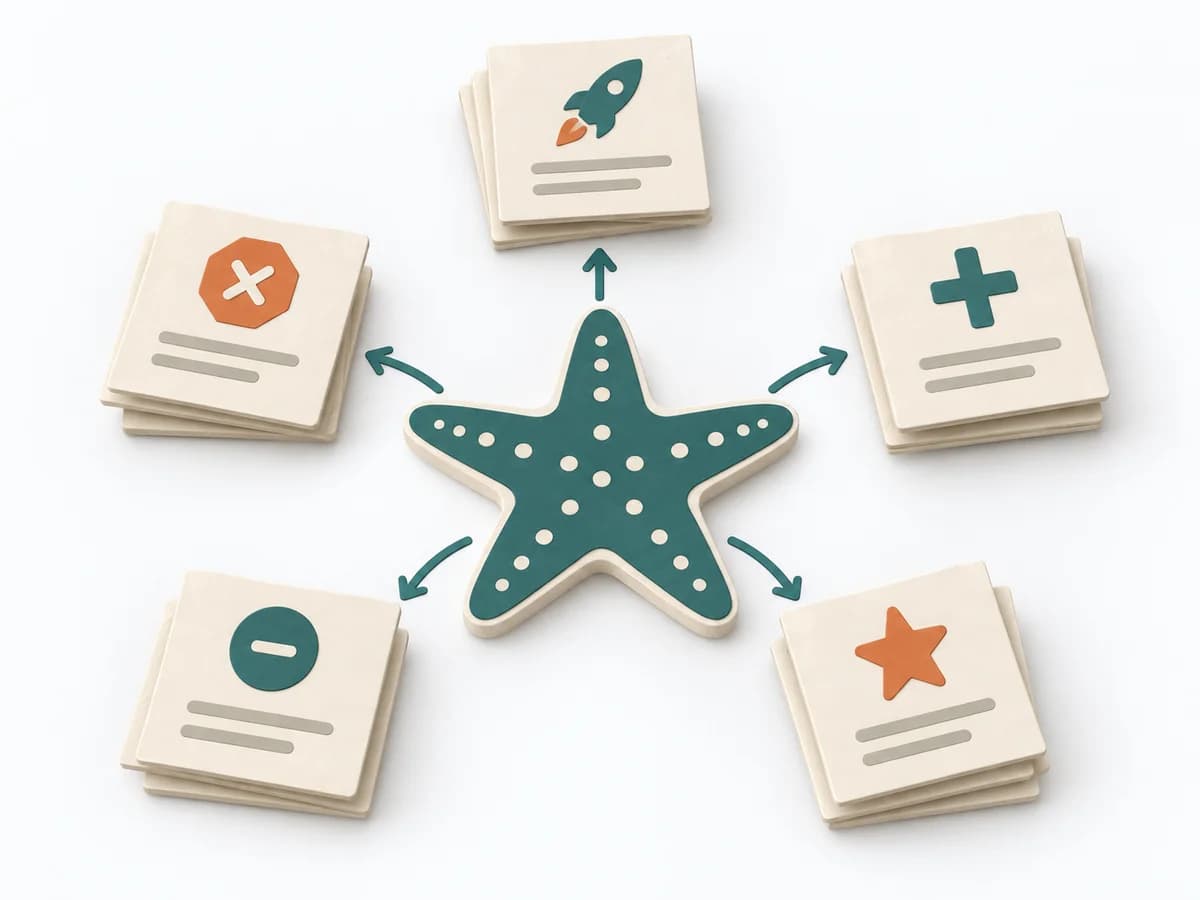 Agile Starfish Retrospective |  Facilitation Alignment Mapping |
|---|---|---|---|---|
Purposedifferent | When a team wants to deliberately adjust its working behavior, it makes habits visible and assessable. It focuses on concrete changes instead of diffuse mood. | When roles, interfaces, or projects fail because of differing expectations, Expectation Mapping surfaces these differences. It shows what each side takes for granted and where the pictures diverge. | When improvement options need to be sorted more finely than just start and stop, it brings observations into clear kinds of action. This makes visible what should be done more, less, newly, or continued. | When several people work toward one goal but hold different mental maps, Alignment Mapping makes the discrepancies visible. It arranges goals, assumptions, and priorities so shared direction becomes verifiable. |
Complexitydifferent | Low | Low | Low | Medium |
Timedifferent | 30-60 min | 45-90 min | 45-90 min | 1-2 h |
Participantsdifferent | 3-12 | 3-12 | 4-12 | 4-12 |
Formatsame | Workshop | Workshop | Workshop | Workshop |
Outputdifferent | Start Stop Continue Board, Improvement Actions | Expectation Map, Alignment Notes, Agreements | Starfish Board, Practice Changes, Experiments | Alignment Map, Open Issues, Decision Questions |
Tagsno overlap | RetrospectiveImprovementTeamReflection | AlignmentStakeholdersTeam | RetrospectiveImprovementExperimentsTeam | AlignmentStakeholdersStrategyFacilitation |