View methods side by side.
Choose up to four methods. Add them using the search and share the comparison by copying its link.
| Criterion |  Agile Specification by Example |  Product Discovery Assumption Mapping | 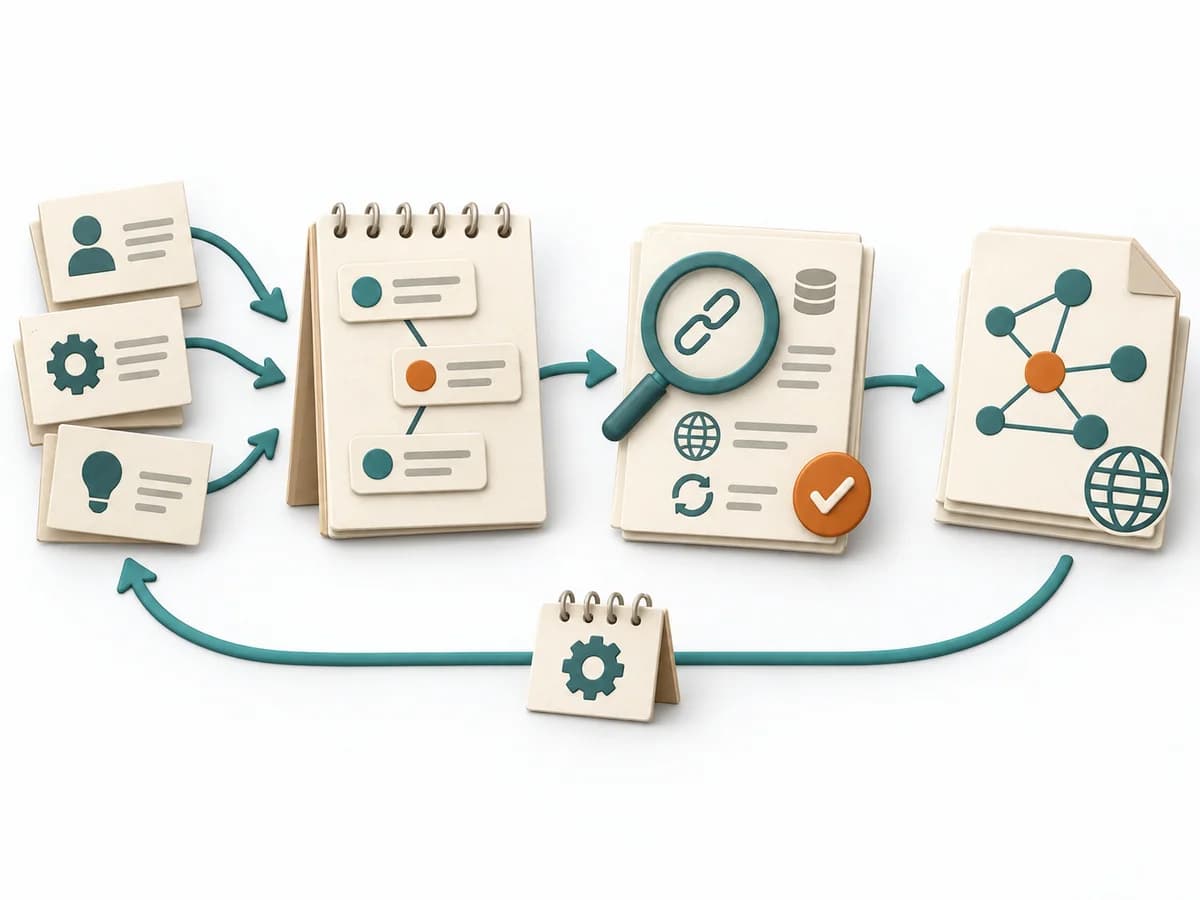 Knowledge Modeling Linked Open Terms | 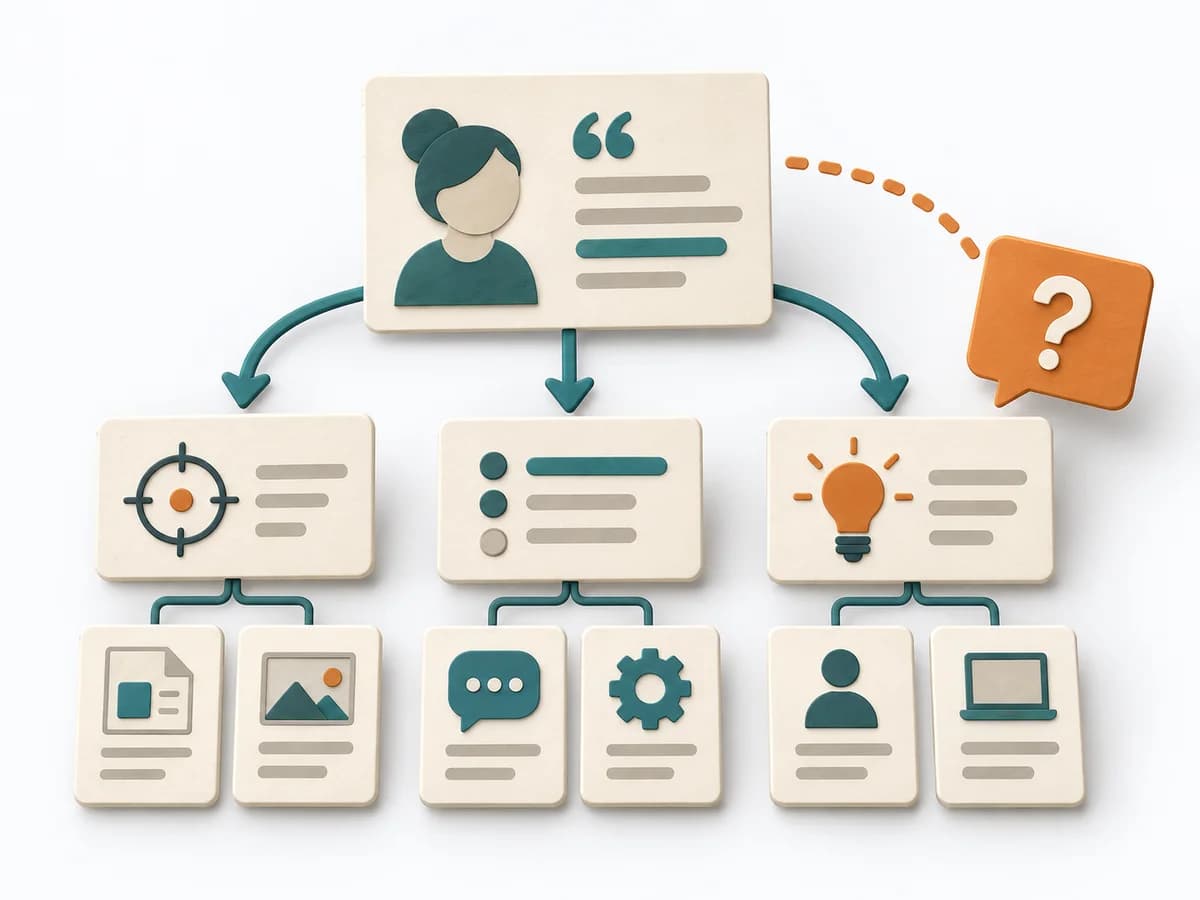 Agile Example Mapping |
|---|---|---|---|---|
Purposedifferent | When business rules need to become precise, it ties language, example, and test together. It sorts work by value, risk, and delivery ability. The result is captured as an Example Table and Acceptance Tests. | When assumptions still sit unordered in the room, it weighs uncertainty against leverage. It makes visible which hypotheses should be checked first. | Linked Open Terms connects terminology work with linked-data thinking and makes terminology technically connectable. Vocabulary, meanings, and references can thereby be maintained consistently. | When a story carries business rules and exceptions, it brings clarity before implementation. It makes examples, open questions, and boundaries visible enough that the logic becomes jointly sound. |
Complexitydifferent | Medium | Medium | Medium | Low |
Timedifferent | 60-90 min pro Feature | 45-60 min | Wochen bis Monate | 30-60 min |
Participantsdifferent | 3-6 | 2-8 | 2-8 | 3-7 |
Formatdifferent | Workshop | Workshop + async | Workshop + async | Workshop |
Outputdifferent | Example Table, Acceptance Tests | Assumption map, Test backlog, Risk ranking | Ontology Requirements, Conceptual Model, Published Ontology, Documentation, Maintenance Plan | Example Map, Acceptance Criteria, Open Questions |
Tagsno overlap | AgileRequirementsExamplesBehavior-Driven Development | AssumptionsRiskExperimentsValidation | OntologyMethodologyAgileSemantic | Behavior-Driven DevelopmentRequirementsExamplesRefinement |