View methods side by side.
Choose up to four methods. Add them using the search and share the comparison by copying its link.
| Criterion | 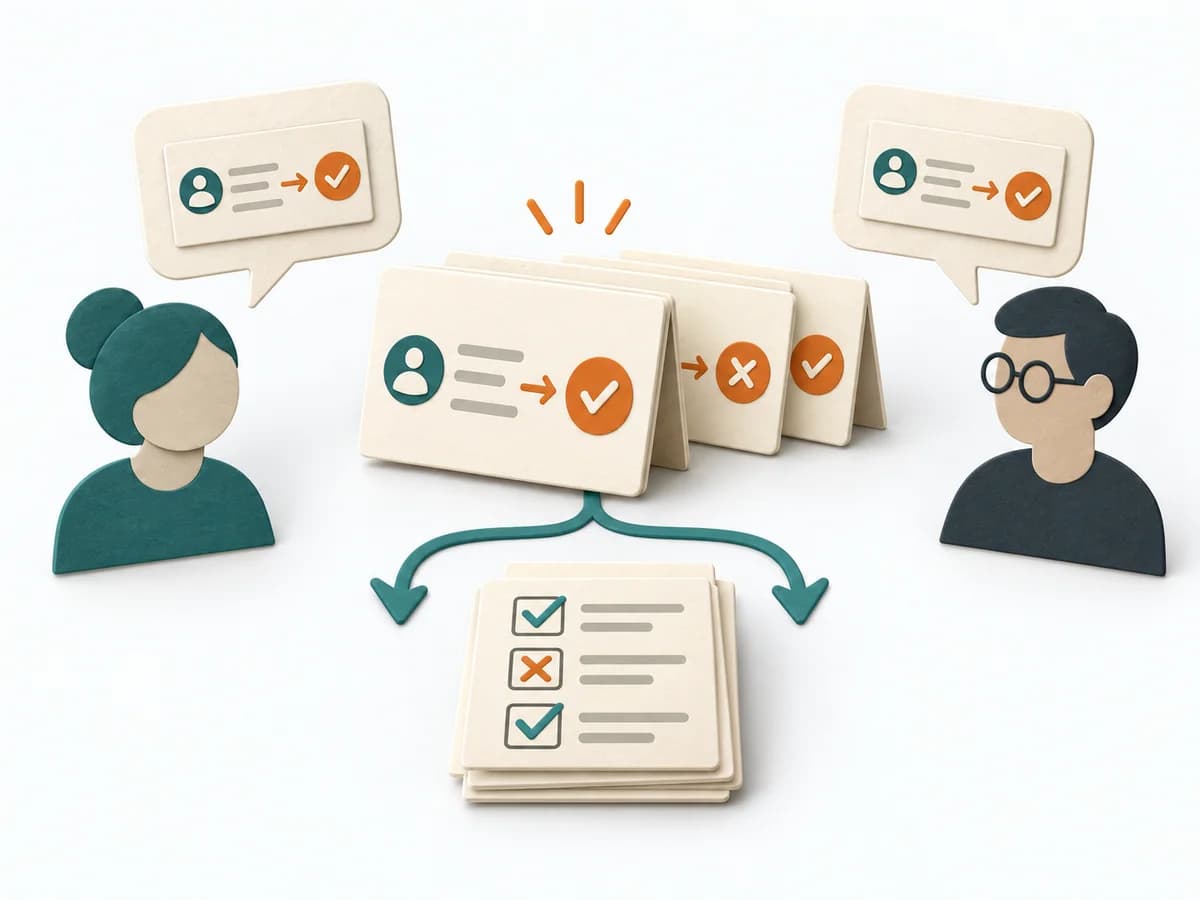 Agile Specification by Example | 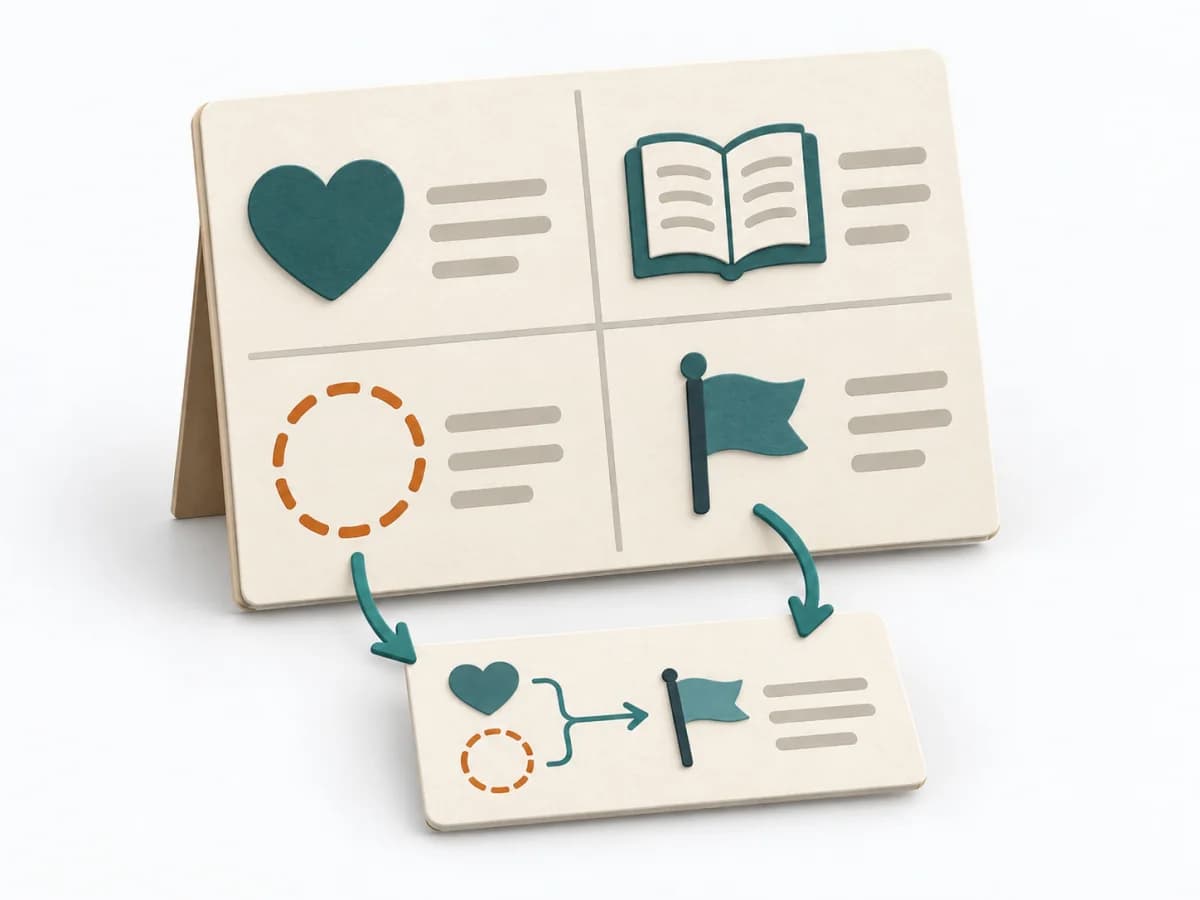 Agile 4Ls Retrospective | 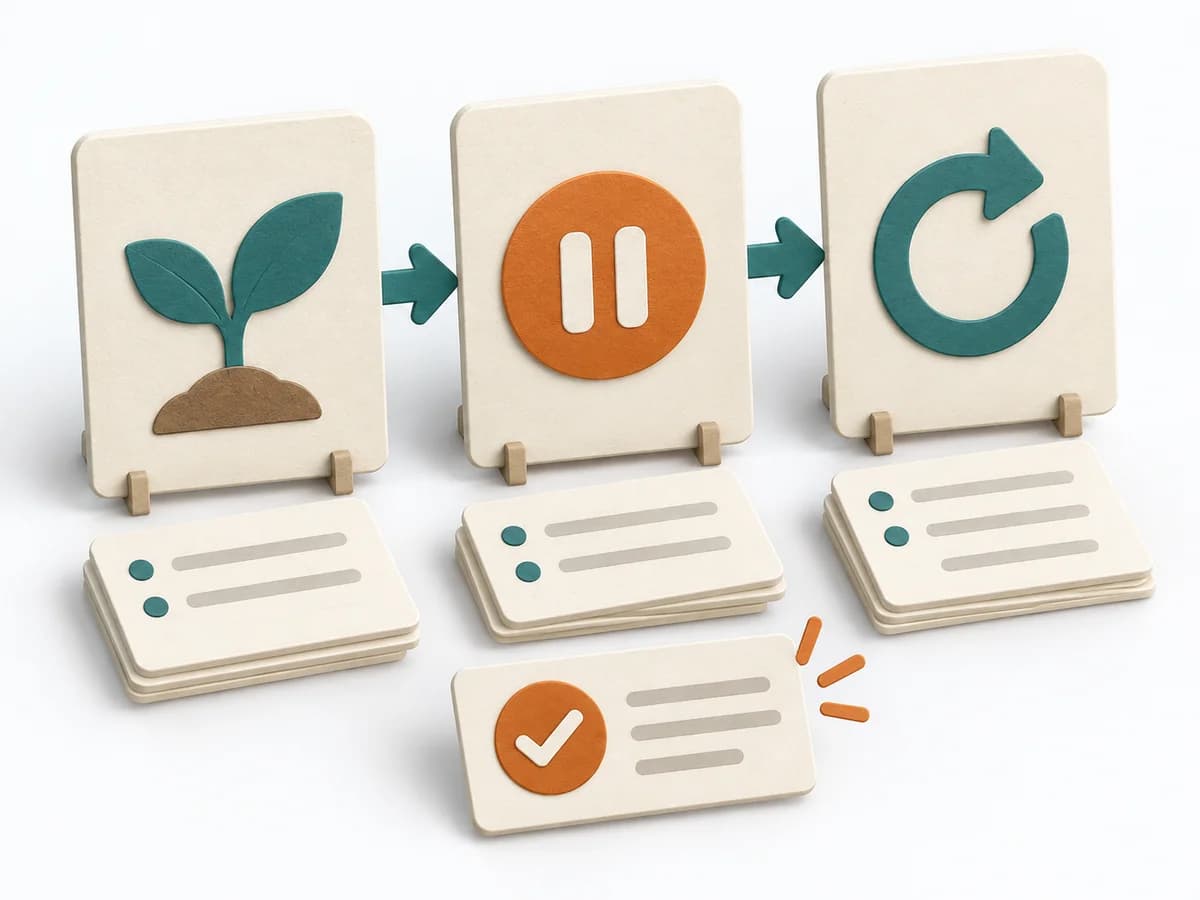 Agile Start Stop Continue | 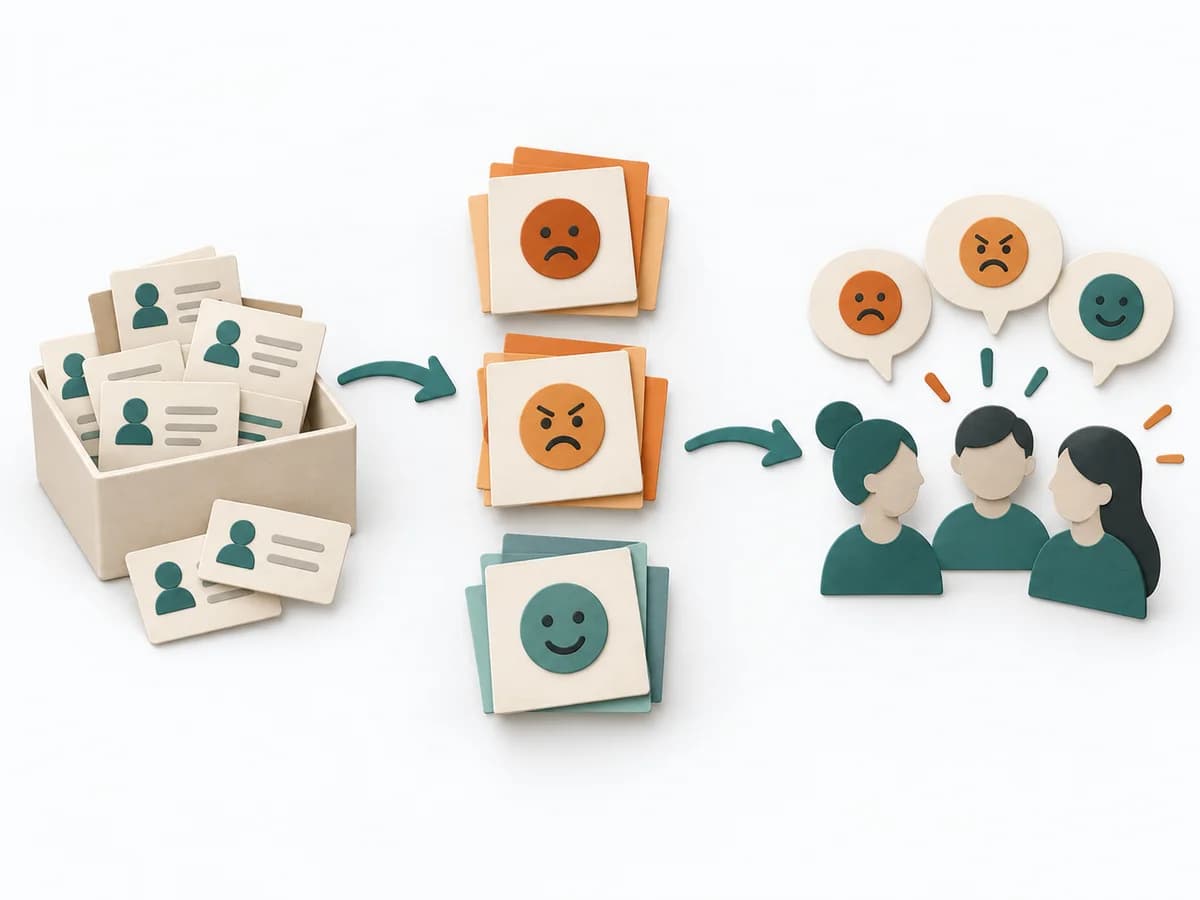 Agile Mad Sad Glad |
|---|---|---|---|---|
Purposedifferent | When business rules need to become precise, it ties language, example, and test together. It sorts work by value, risk, and delivery ability. The result is captured as an Example Table and Acceptance Tests. | When a sprint should not only be assessed but also learned from, it captures experience in clear learning categories. It records what worked, what's missing, and what should run differently next time. | When a team wants to deliberately adjust its working behavior, it makes habits visible and assessable. It focuses on concrete changes instead of diffuse mood. | When a team's or workshop's mood needs to become readable, it structures emotional signals with little setup. It makes strain, relief, and sources of energy tangible. |
Complexitydifferent | Medium | Low | Low | Low |
Timedifferent | 60-90 min pro Feature | 45–75 min | 30-60 min | 30-60 min |
Participantsdifferent | 3-6 | Team members involved | 3-12 | 3-10 |
Formatsame | Workshop | Workshop | Workshop | Workshop |
Outputdifferent | Example Table, Acceptance Tests | 4Ls Board, Learning Themes, Improvement Actions | Start Stop Continue Board, Improvement Actions | Emotion Board, Themes, Action Items |
Tagsno overlap | AgileRequirementsExamplesBehavior-Driven Development | RetrospectiveLearningReflectionTeam | RetrospectiveImprovementTeamReflection | RetrospectiveTeamReflection |