View methods side by side.
Choose up to four methods. Add them using the search and share the comparison by copying its link.
| Criterion | 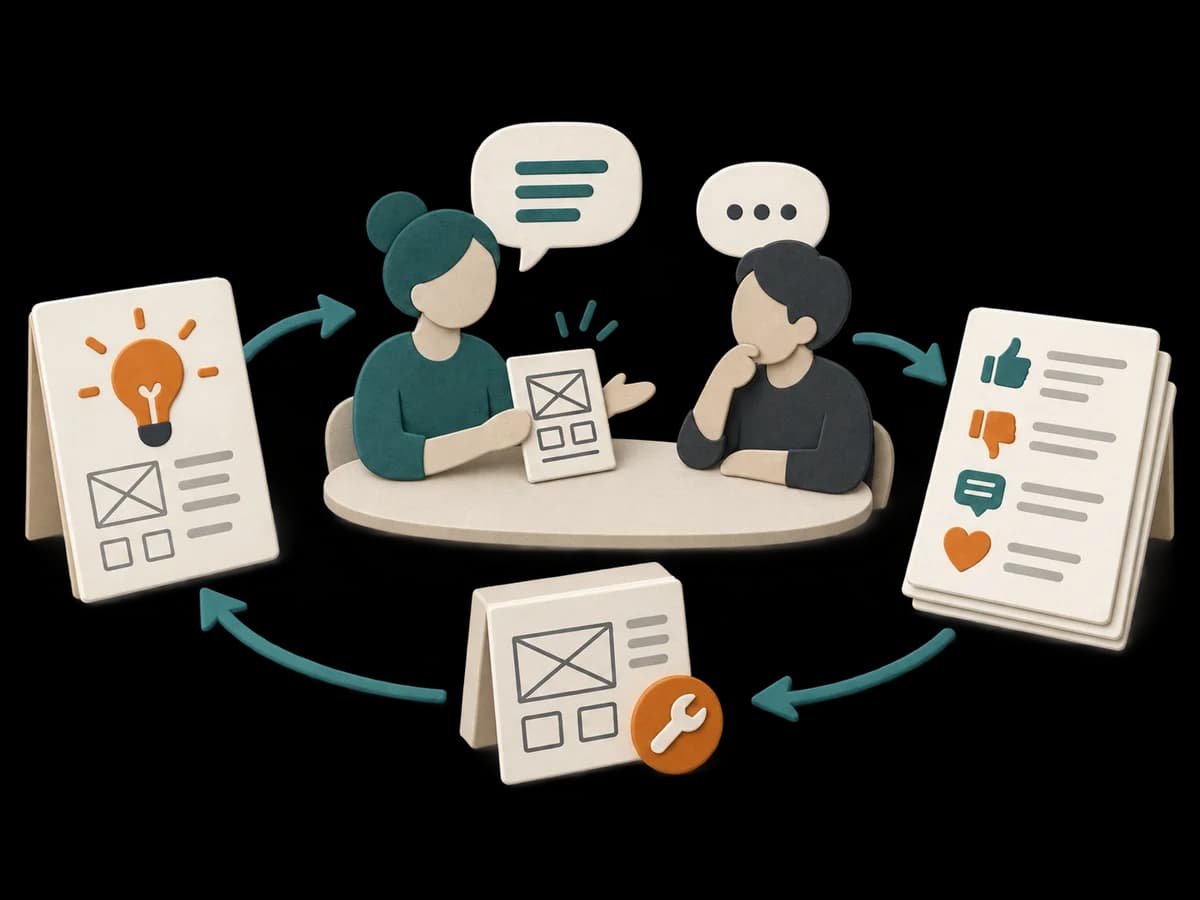 Product Discovery Solution Interview | 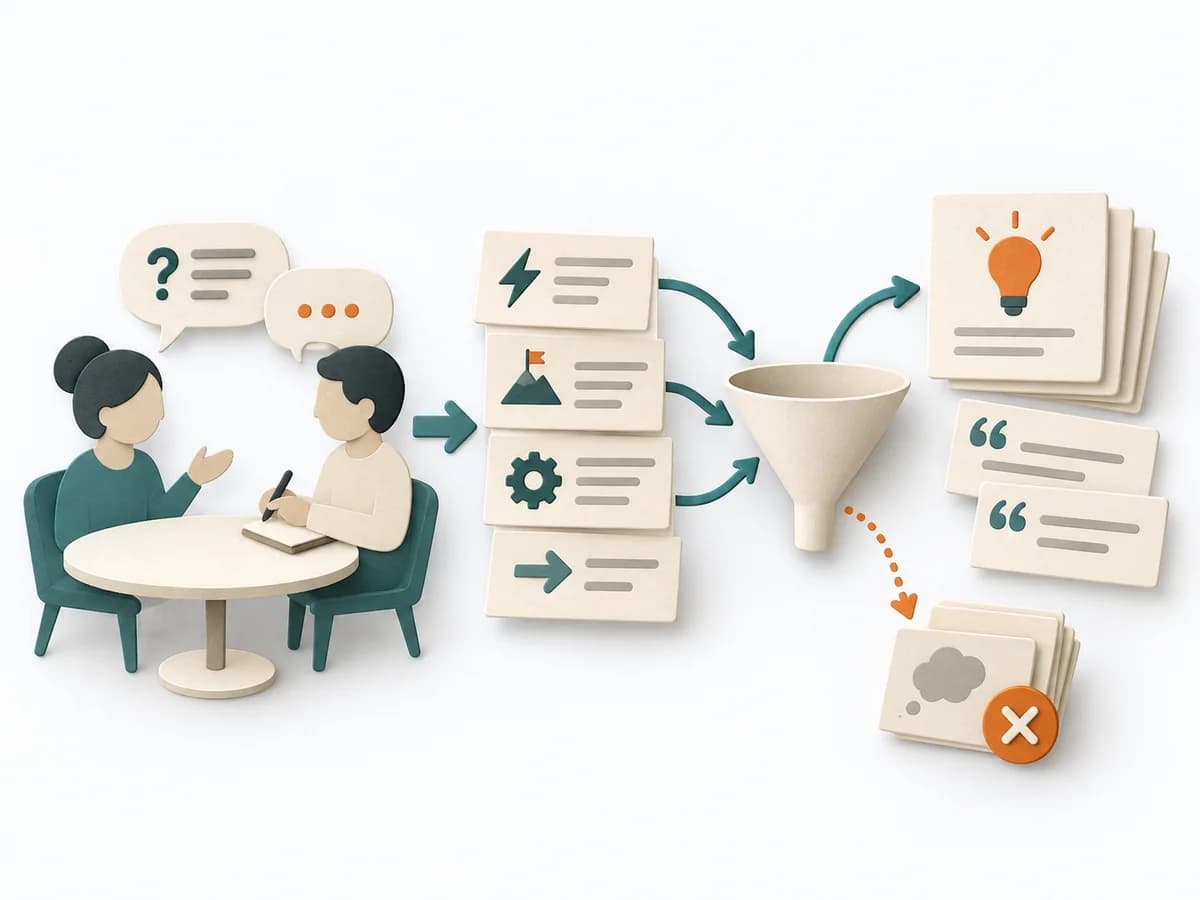 Product Discovery Opportunity Interview | 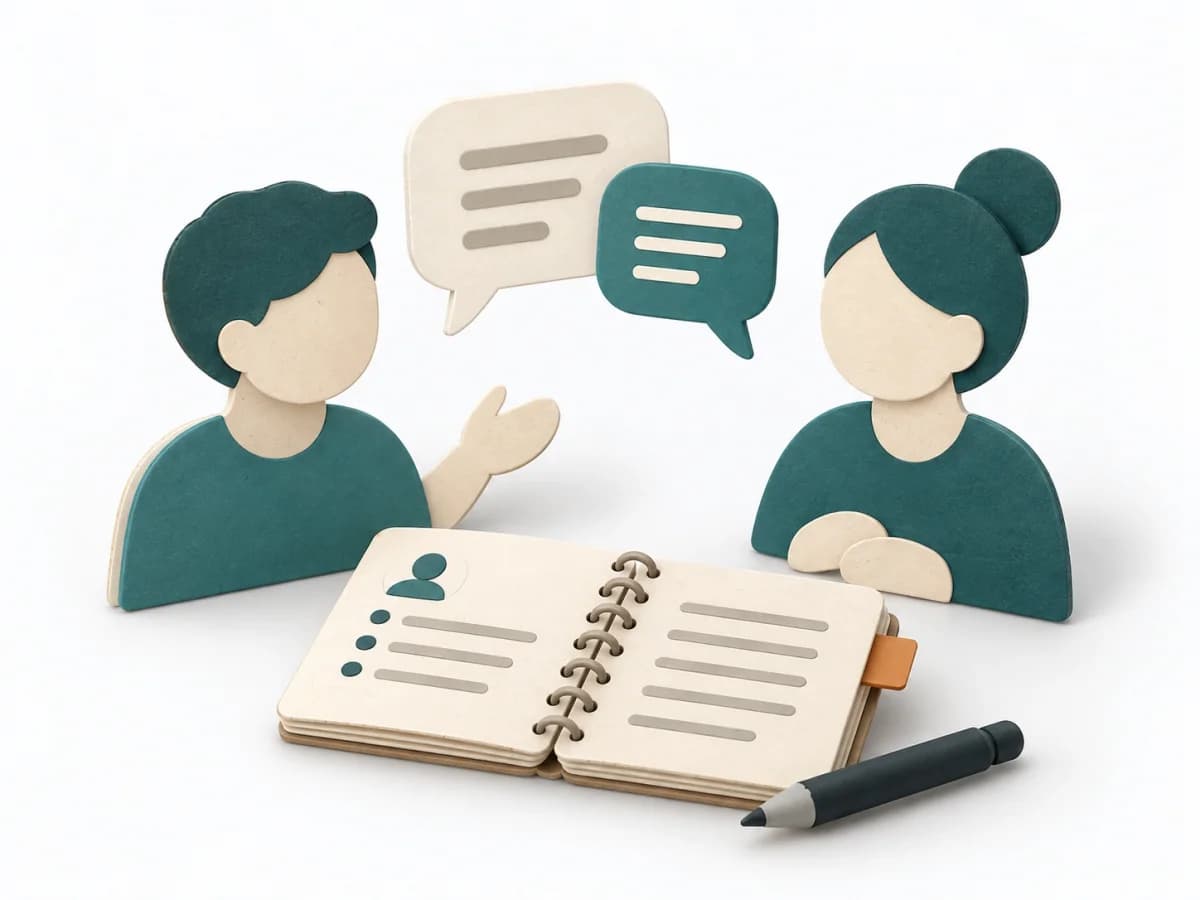 UX Research User Interviews | 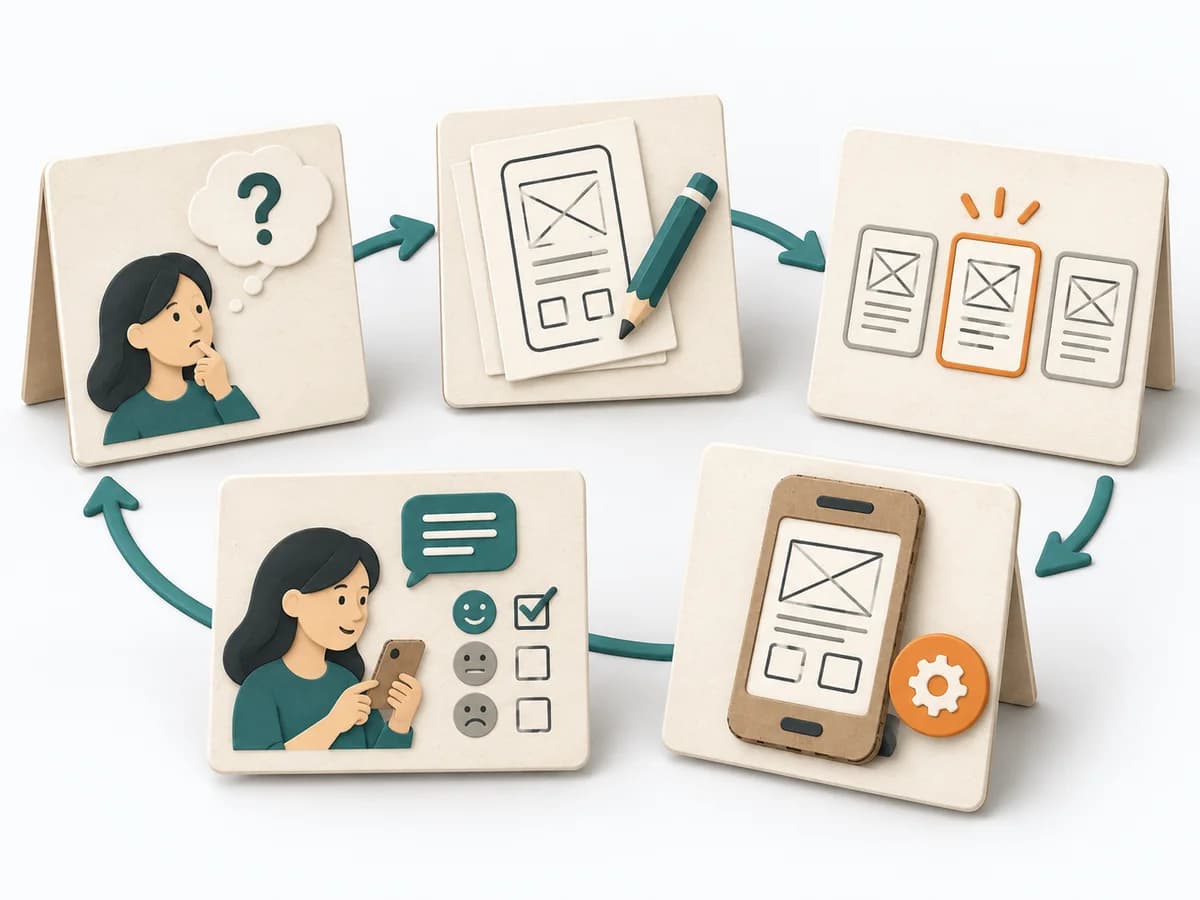 Innovation Design Sprint |
|---|---|---|---|---|
Purposedifferent | When a solution idea is already on the table, it checks how it is understood and evaluated. It looks for resonance, objections, and missing fit early in the conversation. | When opportunities are still hidden behind signals of need, it structures conversations around needs and obstacles. It looks for patterns that lead to new product opportunities. | When teams derive needs only from assumptions and real motives are missing, user interviews give direct access to behavior and meaning. Conversations from the target group's everyday life make patterns, tensions, and open questions solidly visible. | When the product question is unclear and time pressure is high, the method takes a team from an open idea to a testable solution. It connects problem understanding, decision, and learning in one compact format, lowering the risk of spending a lot of energy on a mere guess. |
Complexitydifferent | Medium | Medium | Low | High |
Timedifferent | 30-60 min je Interview | 30-60 min je Interview | 30–60 min per interview | 4-5 Tage |
Participantsdifferent | 5-10 Interviews | 5-12 Interviews | 1 participant per interview | 5-8 |
Formatdifferent | Workshop + async | Workshop + async | Workshop + async | Workshop |
Outputdifferent | Solution Feedback, Objection List, Validation Notes | Interview Notes, Opportunity Themes, Customer Quotes | Interview Notes, Themes, Insight Summary | Prototype, Test Findings, Decision Rationale |
Tagsno overlap | ValidationInterviewsPrototype | DiscoveryInterviewsOpportunityCustomer | QualitativeResearchCustomerDiscovery | Design sprintPrototypeValidationInnovation |