View methods side by side.
Choose up to four methods. Add them using the search and share the comparison by copying its link.
| Criterion | 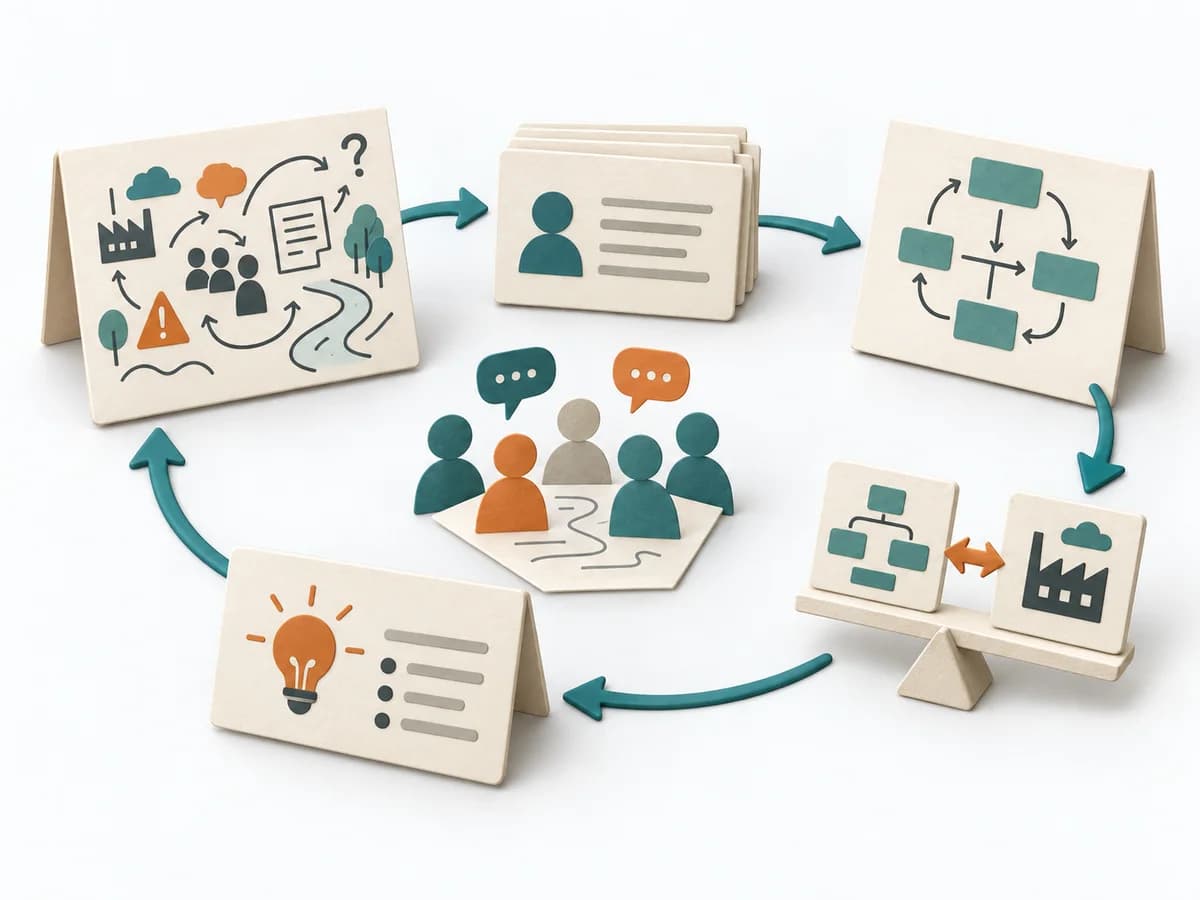 Systems Thinking Soft Systems Methodology | 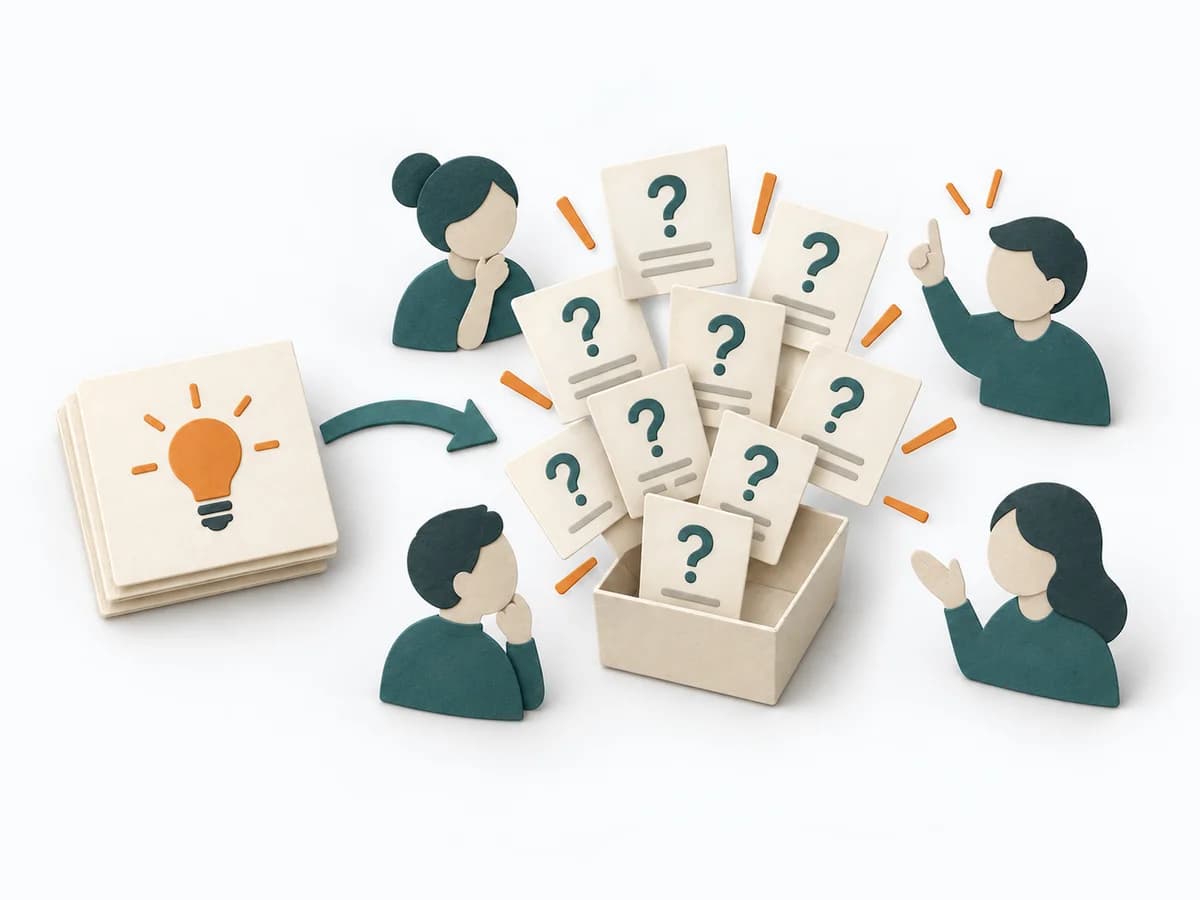 Facilitation Question Burst |  Decision Making Assumption Surfacing | 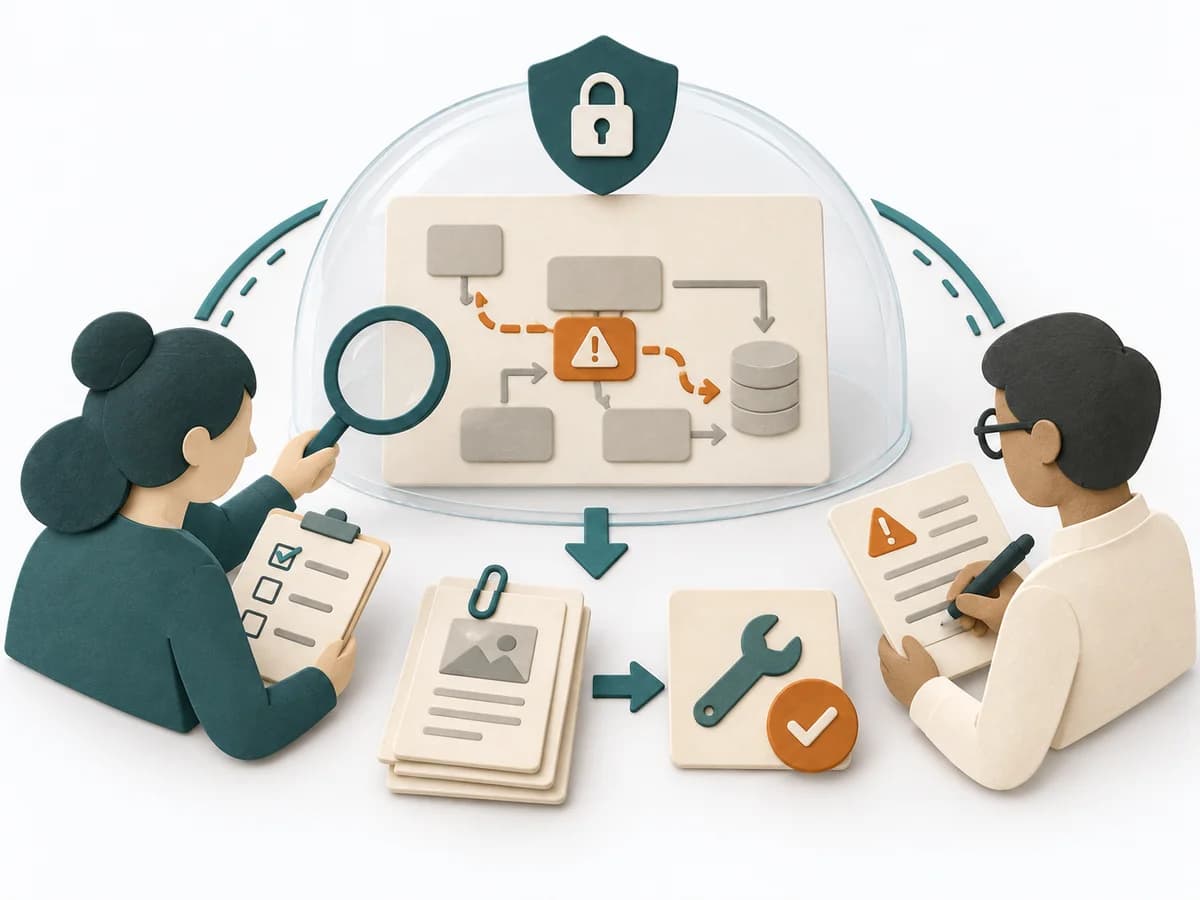 Decision Making Red Teaming |
|---|---|---|---|---|
Purposedifferent | Soft Systems Methodology helps explore unclear or politically charged problems systematically. Instead of forcing a quick answer, the method builds a shared understanding of perspectives and room for action. | When a problem gets covered up too quickly with answers, Question Burst puts the better question at the center. The format opens the thinking space before the group commits to an interpretation. | Plans often contain assumptions that were never openly stated and remain dangerous precisely because of that. Assumption Surfacing makes these silent premises visible and prioritizes which of them carry the initiative or could sink it. | For strategic decisions with high reach, agreement and gut feeling are often not enough. Red teaming brings deliberate opposition into the situation and tests where a plan breaks under real counterarguments. |
Complexitydifferent | High | Low | Low | High |
Timedifferent | 0.5-3 Tage | 15-30 min | 45-90 min | 1-4 h |
Participantsdifferent | 5-15 | 2-8 | 2-8 | 3-8 |
Formatdifferent | Workshop | Workshop | Workshop + async | Workshop |
Outputdifferent | Rich Picture, Root Definitions, Conceptual Models, Change Agenda | Question List, Reframed Challenge, Learning Prompts | Assumption List, Critical Assumptions, Learning Plan | Challenge Findings, Risk Register, Mitigation Plan |
Tagsno overlap | Soft systemsComplexitySensemakingSystems thinking | QuestionsReframingFacilitationSensemaking | AssumptionsRiskDecisionDiscovery | RiskDecisionSensemaking |