View methods side by side.
Choose up to four methods. Add them using the search and share the comparison by copying its link.
| Criterion | 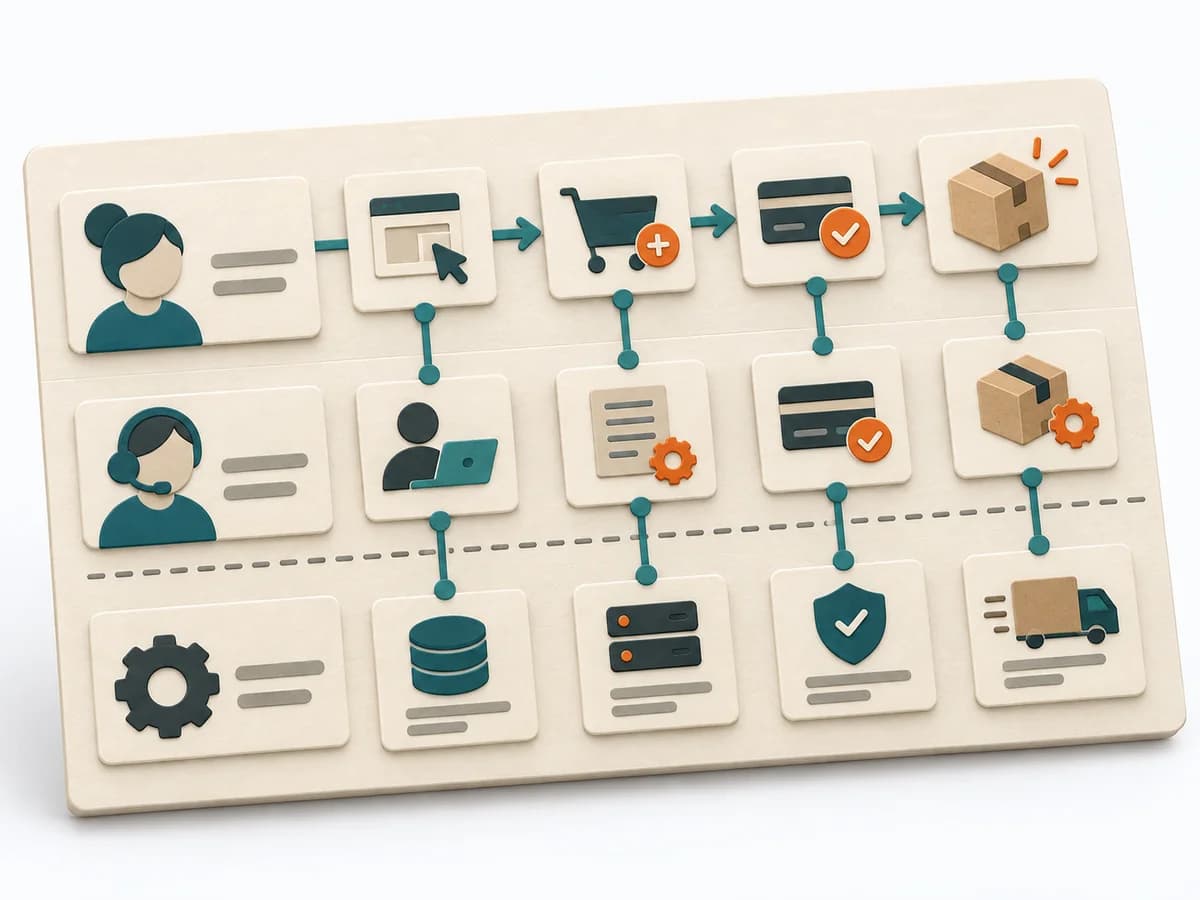 UX Design Service Blueprinting |  Operations Gemba Walk |  Operations After-Action Review | 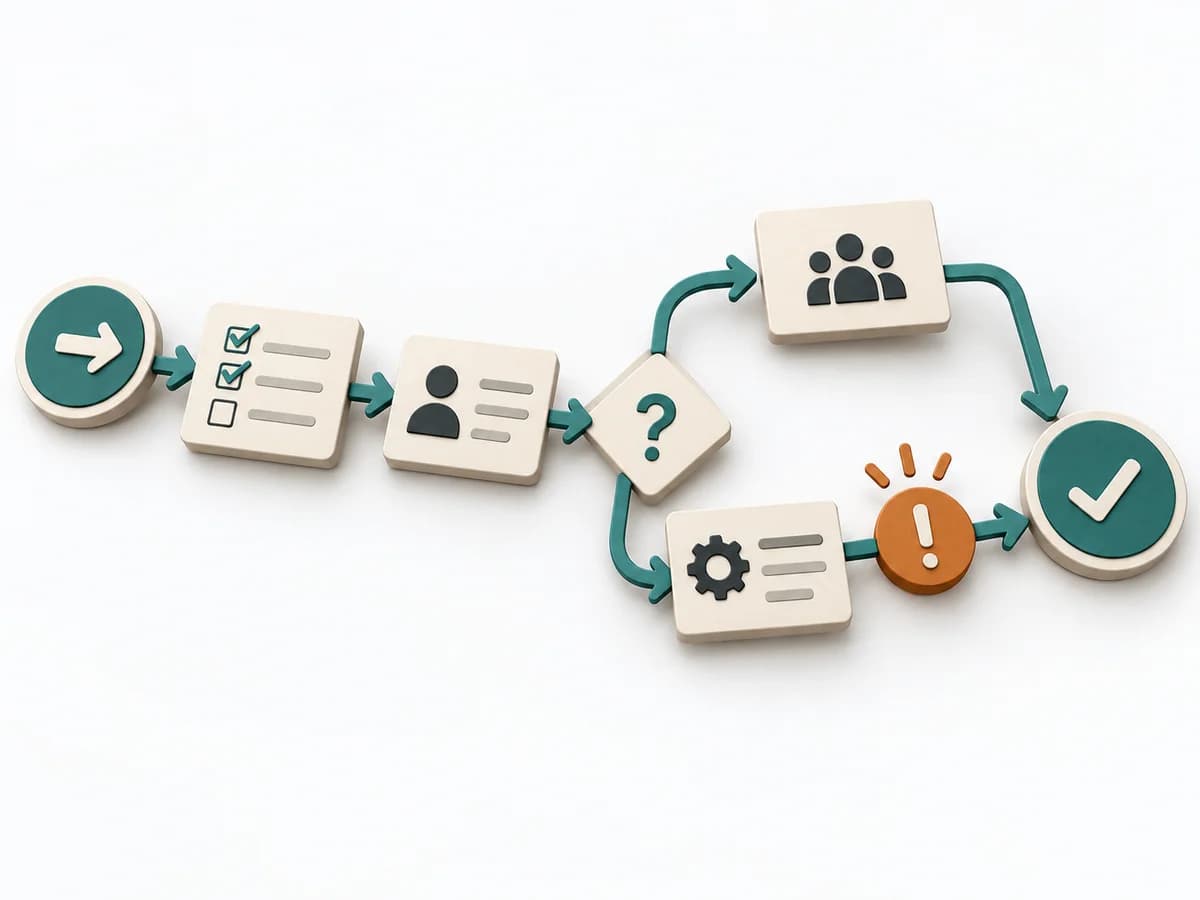 Operations Process Mapping |
|---|---|---|---|---|
Purposedifferent | When a service experience is spread across several touchpoints, it brings frontstage and backstage together. It shows where user contact and internal responsibility must fit. | When there is uncertainty about the real course of a process, the method brings observation to the place where work happens. It combines perception, follow-up questions, and process knowledge so decisions rest on actual workflows instead of assumptions. | After missions or project phases with unclear outcomes, the method makes visible what actually happened and what can be learned from it. It separates course, effect, and causes so experience turns into solid improvement. | With a confusing workflow that has many handoffs, the method makes the actual process visible. It shows where work is passed on, delayed, or duplicated, so improvement targets the right spots. |
Complexitydifferent | High | Low | Low | Medium |
Timedifferent | 0.5-2 Tage | 30-120 min | 20-45 min | 1-3 h |
Participantsdifferent | 6-12 | 2-6 | 3-12 | 3-10 |
Formatdifferent | Workshop | Workshop | Workshop + async | Workshop |
Outputdifferent | Service Blueprint, Fail Points, Ownership Map | Observation Notes, Improvement Ideas | Lessons learned, Action items, Event summary | Process Map, Handoff List, Improvement Backlog |
Tags1 shared | Service designOperationsJourneyBlueprint | LeanObservationProcessOperations | LearningOperationsImprovement | ProcessOperationsImprovement |