View methods side by side.
Choose up to four methods. Add them using the search and share the comparison by copying its link.
| Criterion | 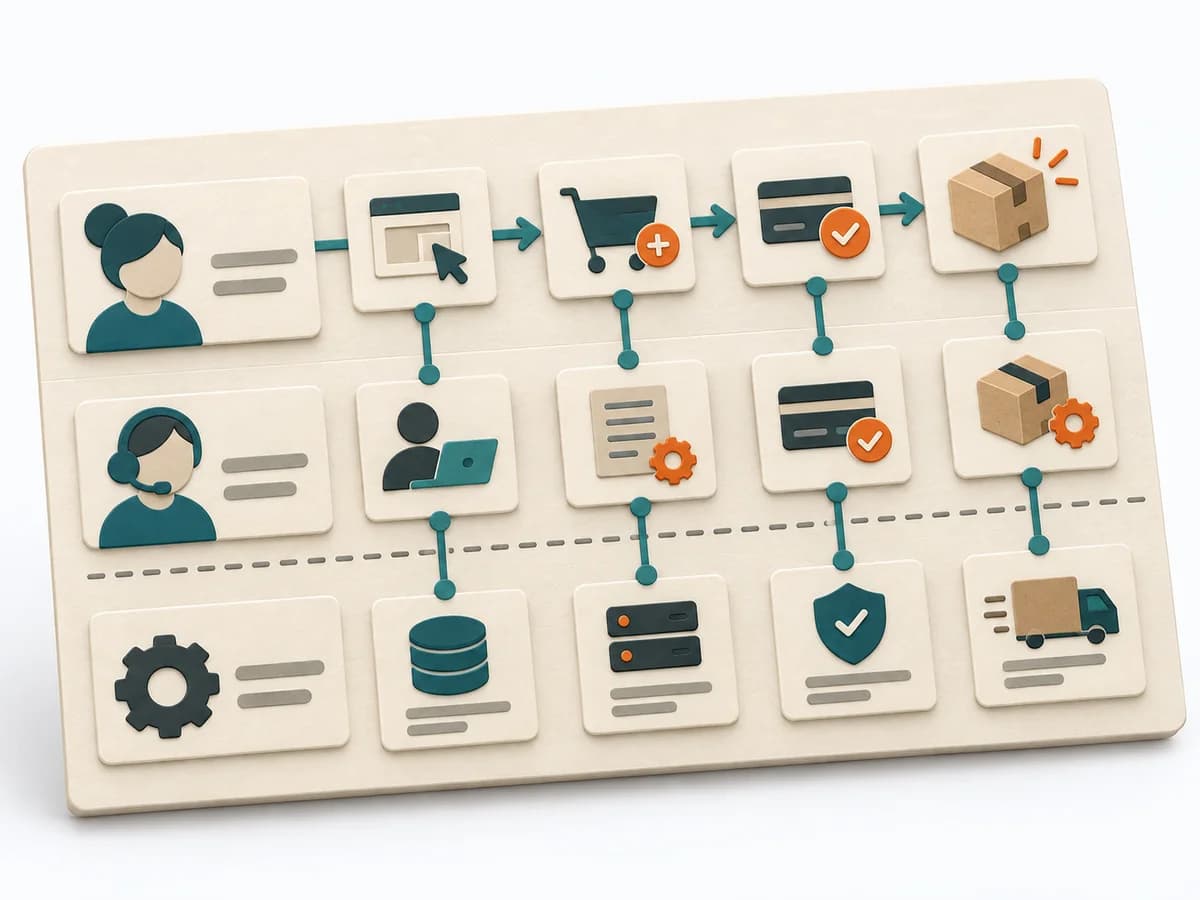 UX Design Service Blueprinting | 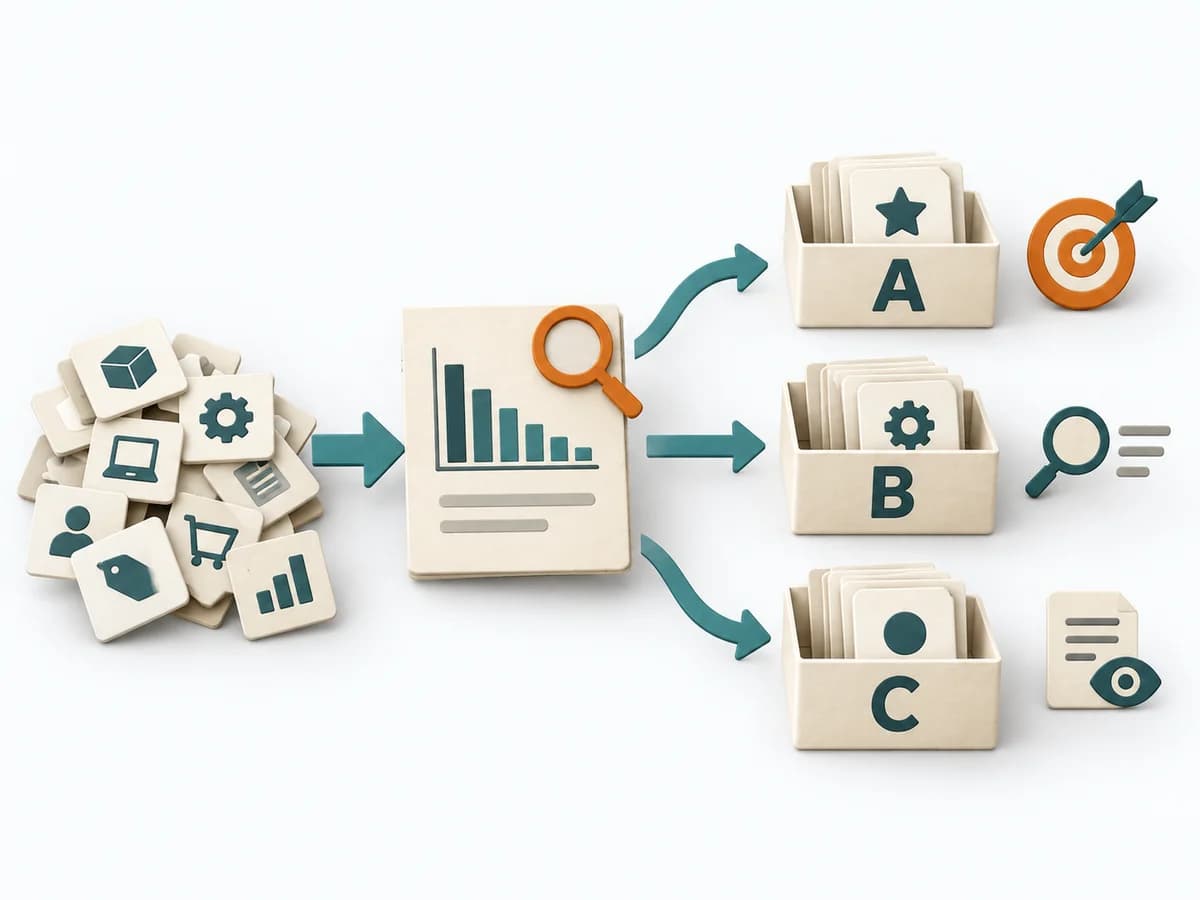 Operations ABC Analysis |  UX Research User Interviews |  UX Research Customer Journey Mapping |
|---|---|---|---|---|
Purposedifferent | When a service experience is spread across several touchpoints, it brings frontstage and backstage together. It shows where user contact and internal responsibility must fit. | With many similar objects of differing economic significance, the method prioritizes effort by effect. It separates what needs regular steering from what rarely needs attention. | When teams derive needs only from assumptions and real motives are missing, user interviews give direct access to behavior and meaning. Conversations from the target group's everyday life make patterns, tensions, and open questions solidly visible. | When a user journey falls apart across many touchpoints, customer journey mapping makes the experience visible as a coherent arc. Phases, emotions, and breaks become legible enough to prioritize critical moments deliberately. |
Complexitydifferent | High | Low | Low | Medium |
Timedifferent | 0.5-2 Tage | 30-60 min | 30–60 min per interview | 2-4 h |
Participantsdifferent | 6-12 | 1-5 | 1 participant per interview | 4-10 |
Formatdifferent | Workshop | Async | Workshop + async | Workshop |
Outputdifferent | Service Blueprint, Fail Points, Ownership Map | ABC Classification, Focus Rules, Control List | Interview Notes, Themes, Insight Summary | Journey Map, Pain-point List, Opportunity Backlog |
Tagsno overlap | Service designOperationsJourneyBlueprint | PrioritizationOperationsPortfolio | QualitativeResearchCustomerDiscovery | JourneyServiceService design |