View methods side by side.
Choose up to four methods. Add them using the search and share the comparison by copying its link.
| Criterion | 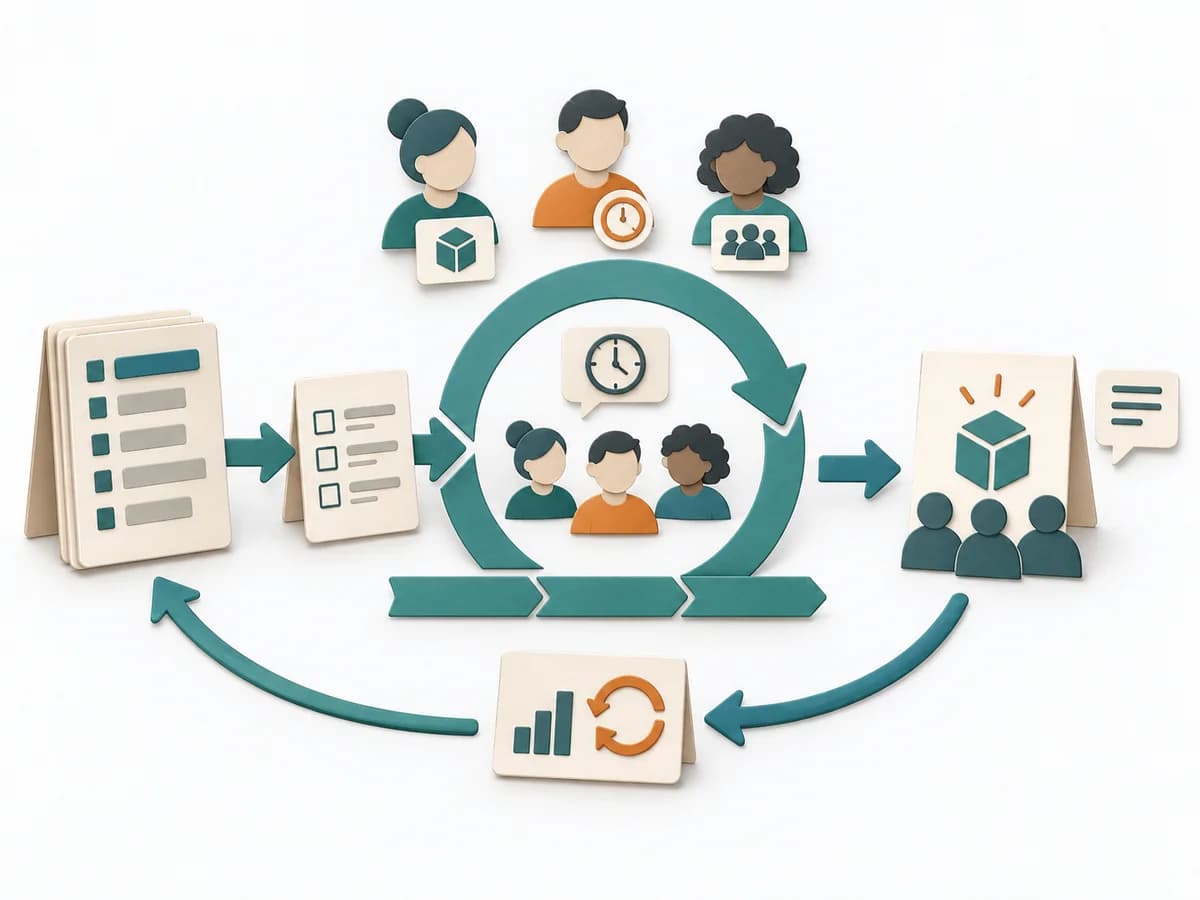 Agile Scrum | 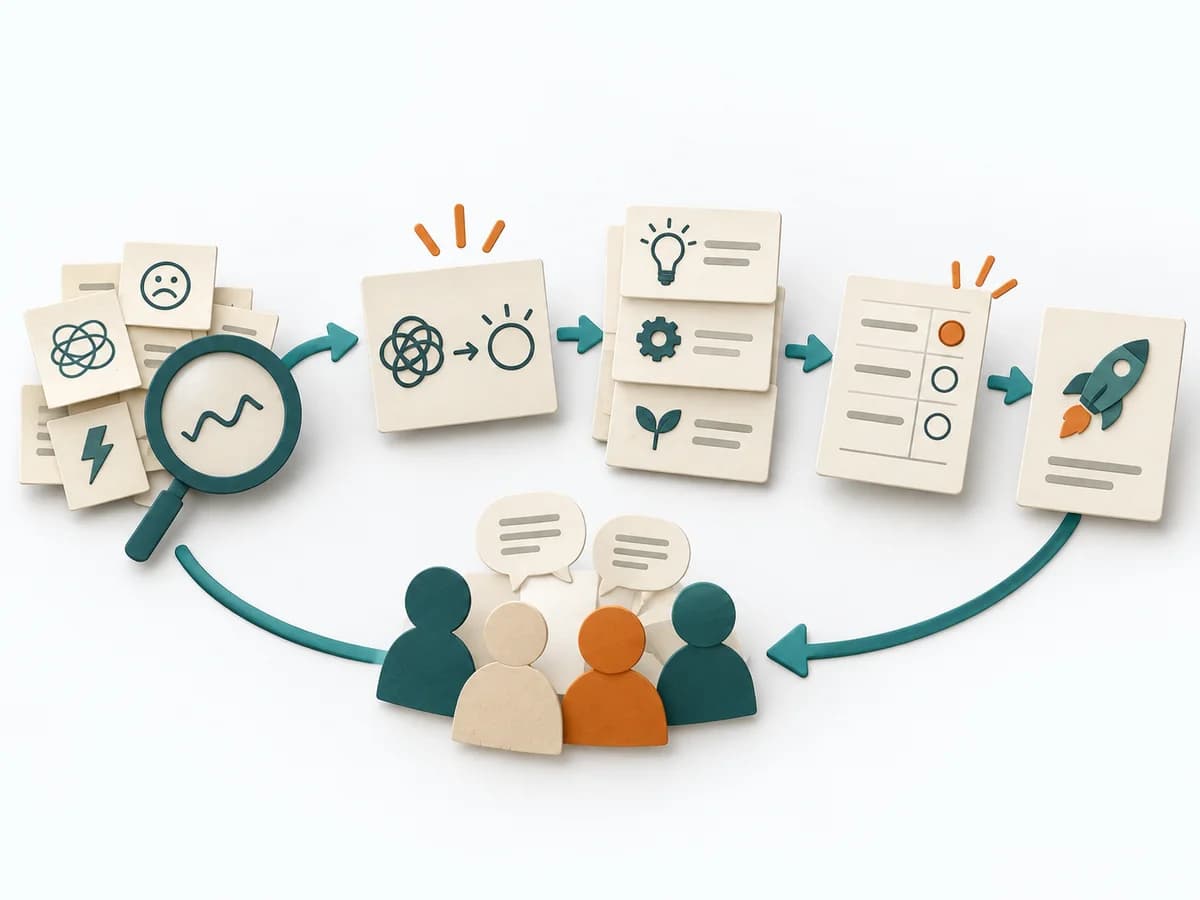 Facilitation Decision Jam | 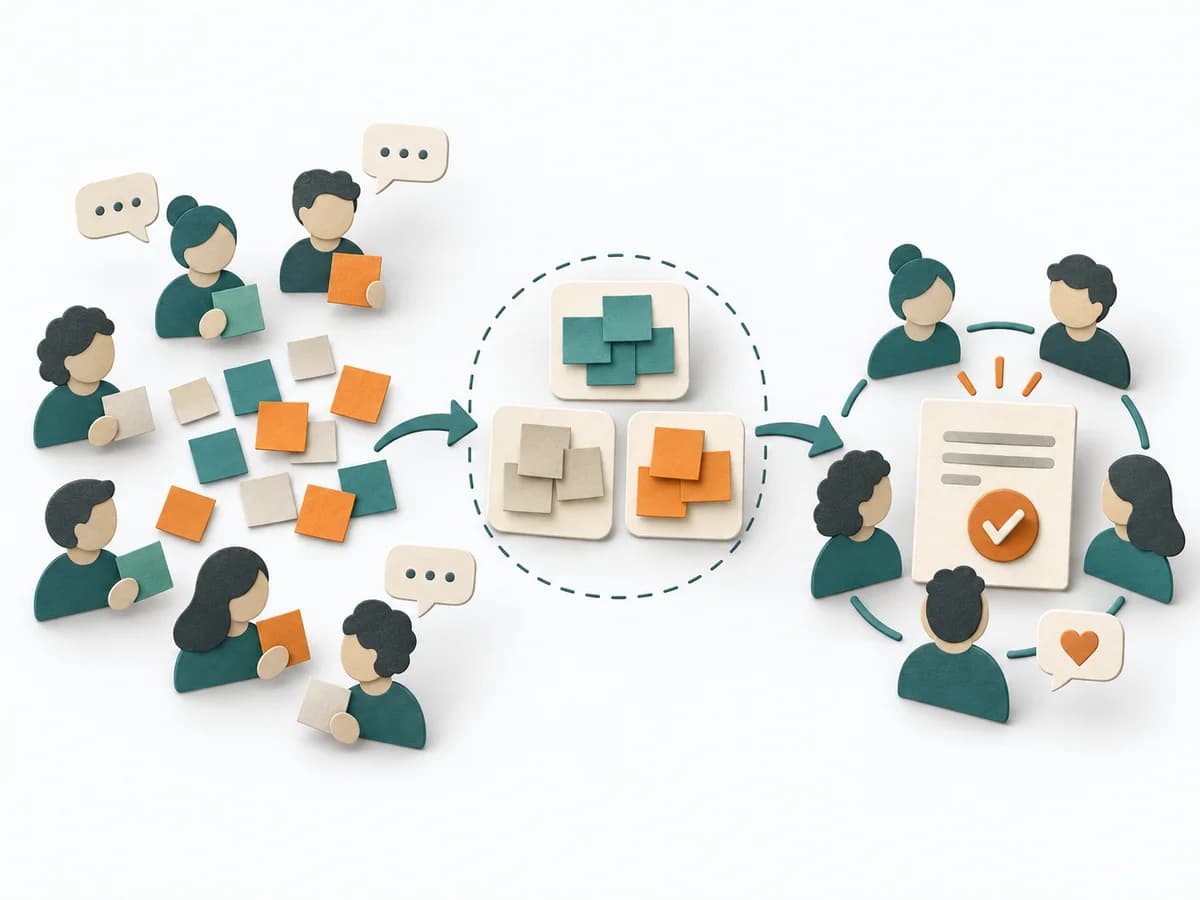 Facilitation Consensus Workshop |  Decision Making Decision Rights Mapping |
|---|---|---|---|---|
Purposedifferent | When a team needs to work in a fixed delivery rhythm, it stabilizes cadence, responsibility, and feedback loops. It makes collaboration reliable across sprint boundaries. | When a decision is stuck, Decision Jam loosens the knot through structured separation of problem, idea, and selection. The format creates movement without jumping prematurely at the first seemingly elegant answer. | When a group needs a solid decision without outvoting individual factions, a Consensus Workshop creates a negotiable common ground. It makes agreement, reservations, and open tensions discussable at the same time. | In organizations with many stakeholders, it often blurs who actually decides and who is merely consulted. It separates options, evaluation criteria, and open risks. The result is captured as a Decision Rights matrix and an agreement. |
Complexitydifferent | Medium | Low | Medium | Medium |
Timedifferent | 1-4 Wochen je Sprint, laufend | 60-90 min | 1-3 h | 90-180 min |
Participantsdifferent | 3-10 (Scrum Team) | 4-10 | 5-30 | 4-12 |
Formatdifferent | Workshop + async | Workshop | Workshop | Workshop |
Outputdifferent | Product Backlog, Sprint Backlog, Increment, Sprint Goal | Problem Cluster, Prioritized Challenge, Experiment | Consensus Clusters, Theme Titles, Priority Areas | Decision Rights Matrix, Agreement |
Tagsno overlap | AgileIterationCadence | FacilitationDecisionProblem solvingWorkshop | FacilitationConsensusWorkshopAlignment | DecisionGovernanceAlignmentResponsibility |