View methods side by side.
Choose up to four methods. Add them using the search and share the comparison by copying its link.
| Criterion |  Business Strategy Scenario Planning | 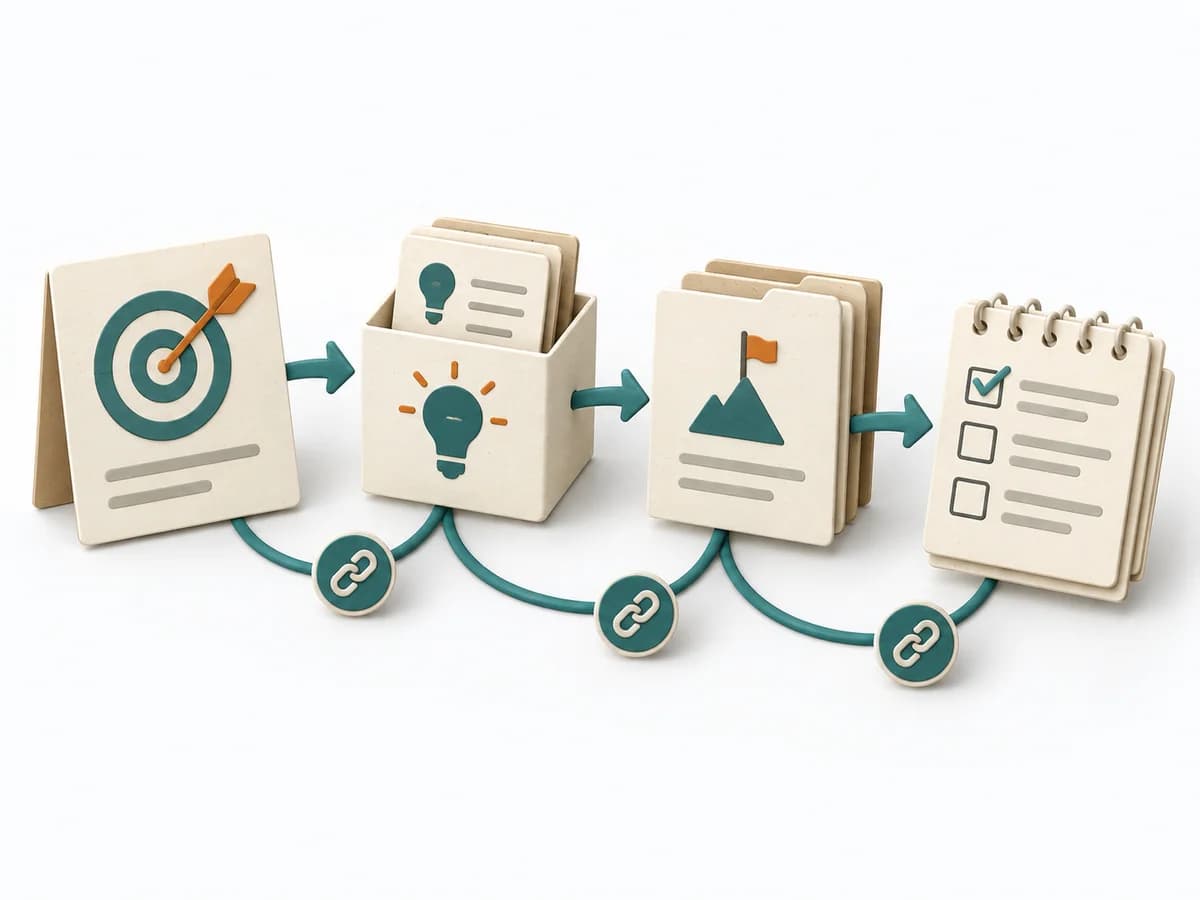 Product Strategy GIST Planning | 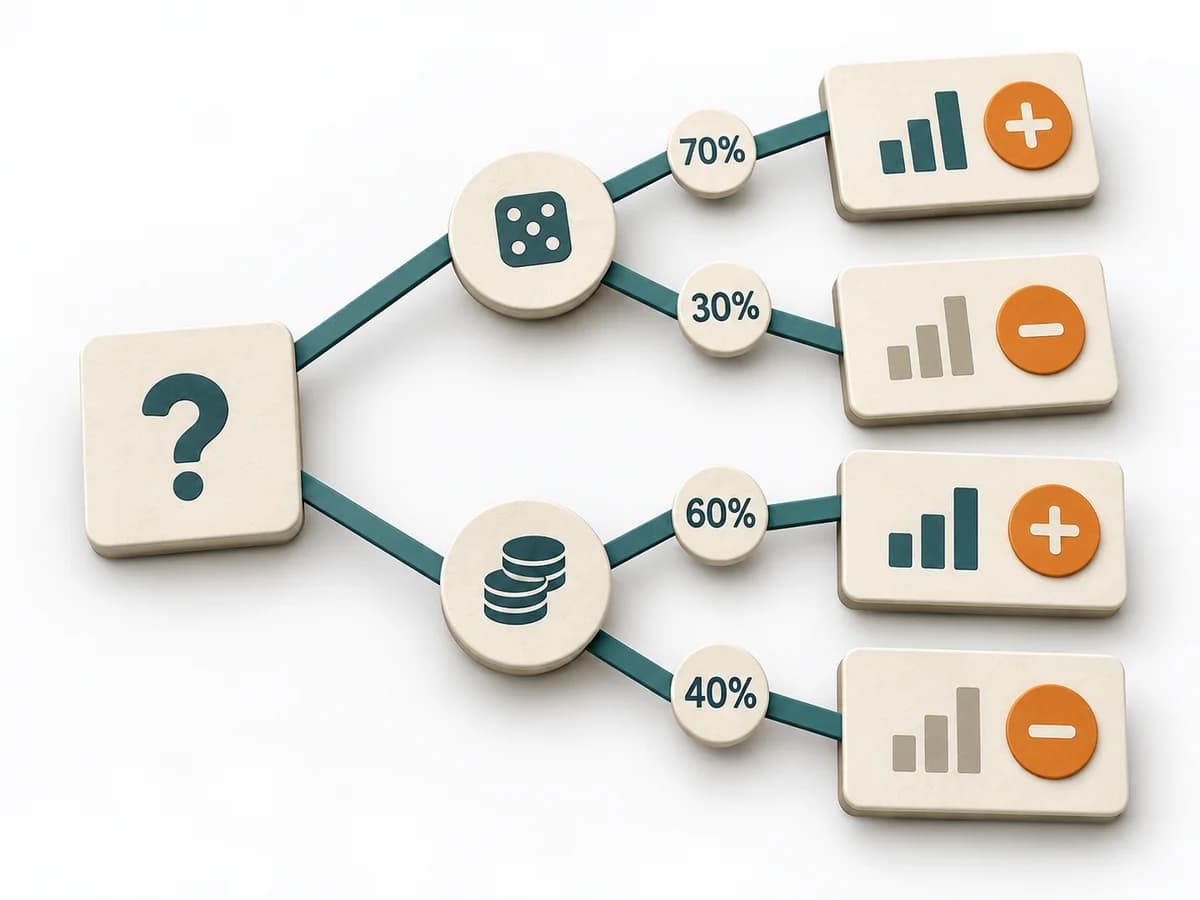 Decision Making Decision Tree | 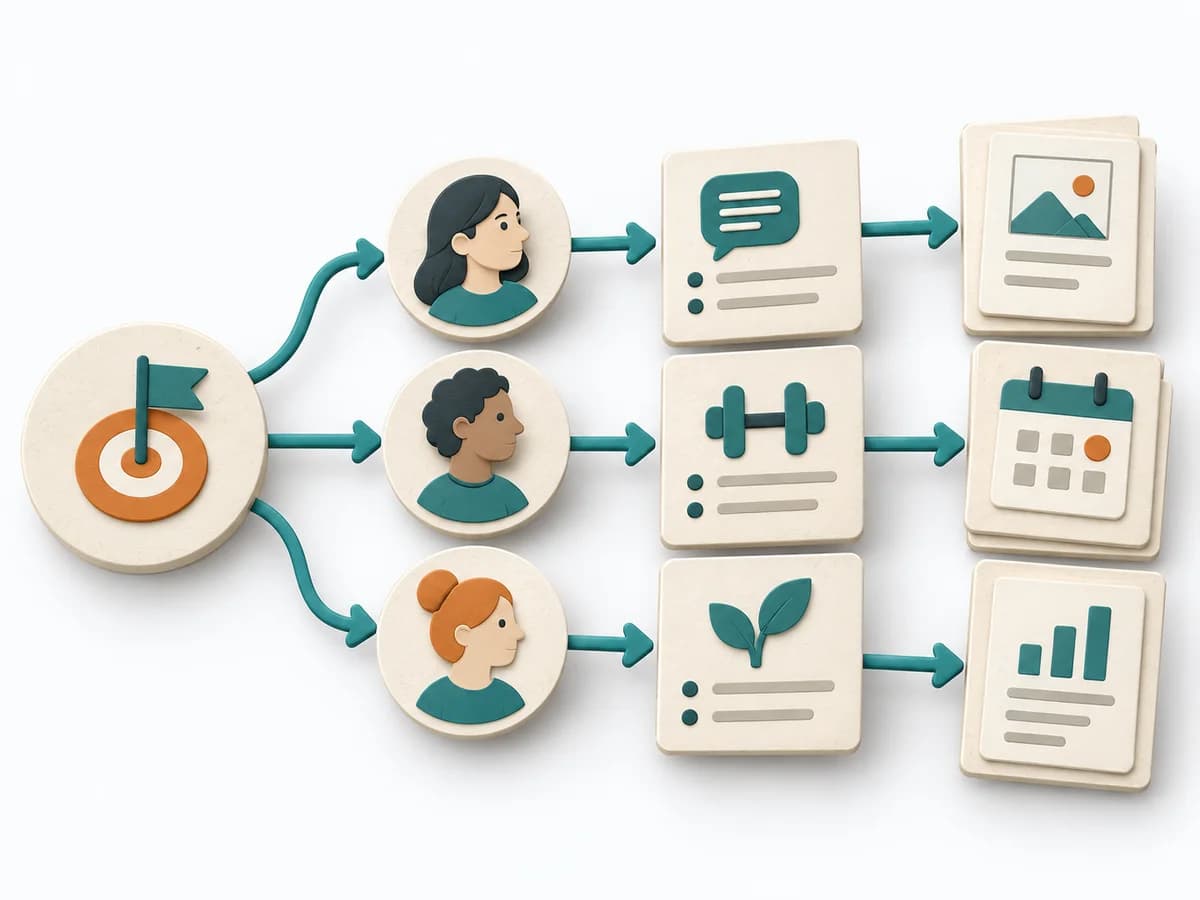 Product Strategy Impact Mapping |
|---|---|---|---|---|
Purposedifferent | Scenario Planning opens the view to several plausible futures instead of a single forecast. The method protects strategies from depending on too narrow an expected path. | GIST Planning helps clarify target groups, value, goals, and priorities. It links customer value, product logic, and decision priorities, and captures the result as goals, an idea bank, and a step-project list. | For decisions with follow-on paths and dependencies, a linear comparison is often not enough. A Decision Tree shows how options branch under conditions and which consequences hang on each branch. | When a goal needs to be connected to several possible paths, it shows chains of impact instead of feature lists. It connects business goal, behavior change, and measures. |
Complexitydifferent | High | Medium | Medium | Medium |
Timedifferent | 0.5-2 Tage | Wochen bis Monate je Goal | 30-90 min | 45-90 min |
Participantsdifferent | 4-12 | 3-10 | 1-6 | 3-8 |
Formatdifferent | Workshop | Workshop + async | Workshop + async | Workshop |
Outputdifferent | Scenario Set, Strategic Implications, Robust Options | Goals, Idea bank, Step-project list, Tasks, Learning reports | Decision Tree, Option Map, Assumption List | Impact Map, Outcome Hypotheses, Delivery Options |
Tagsno overlap | StrategyUncertaintyPlanning | RoadmapOutcomesPlanningExperiments | DecisionTreeOptions | OutcomesStrategyBehaviorPlanning |