View methods side by side.
Choose up to four methods. Add them using the search and share the comparison by copying its link.
| Criterion |  Business Strategy Scenario Planning | 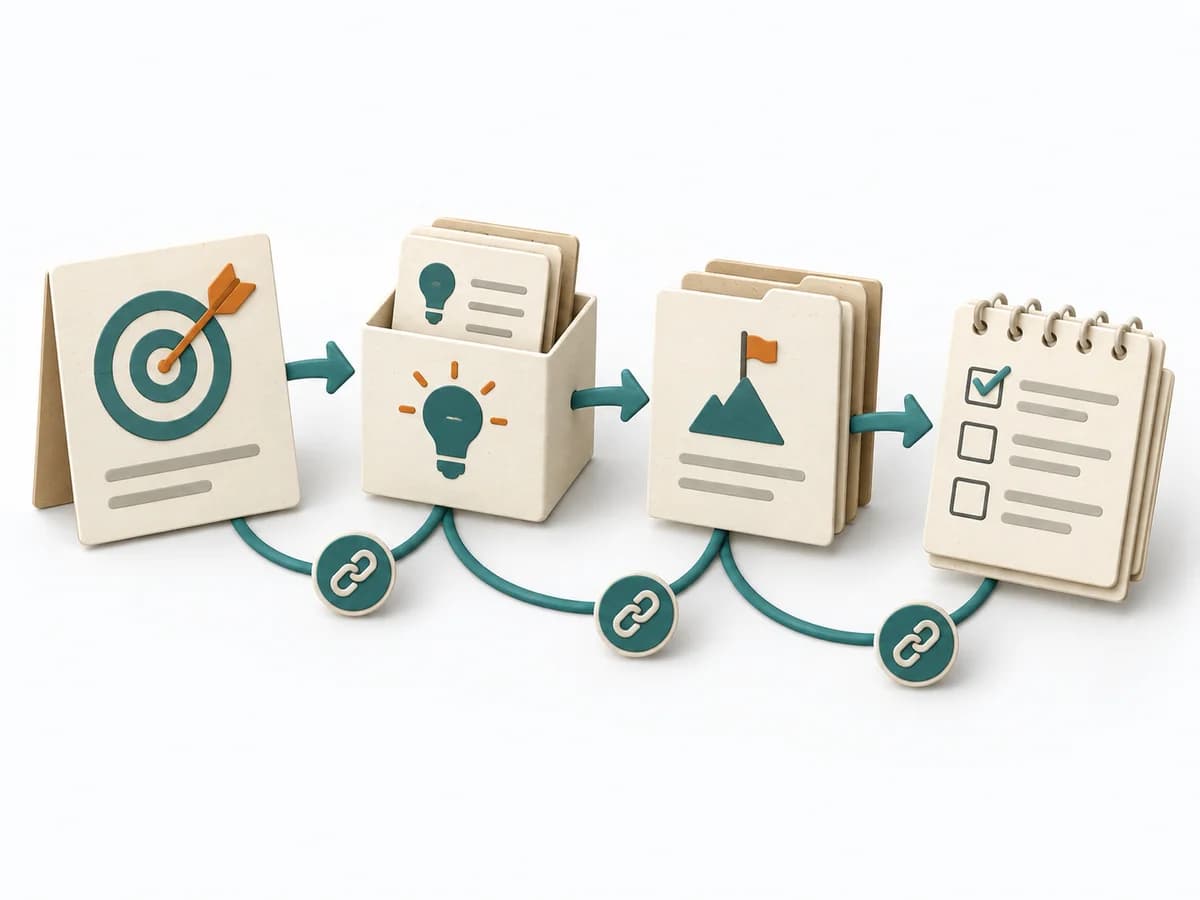 Product Strategy GIST Planning |  Domain Modeling Context Map | 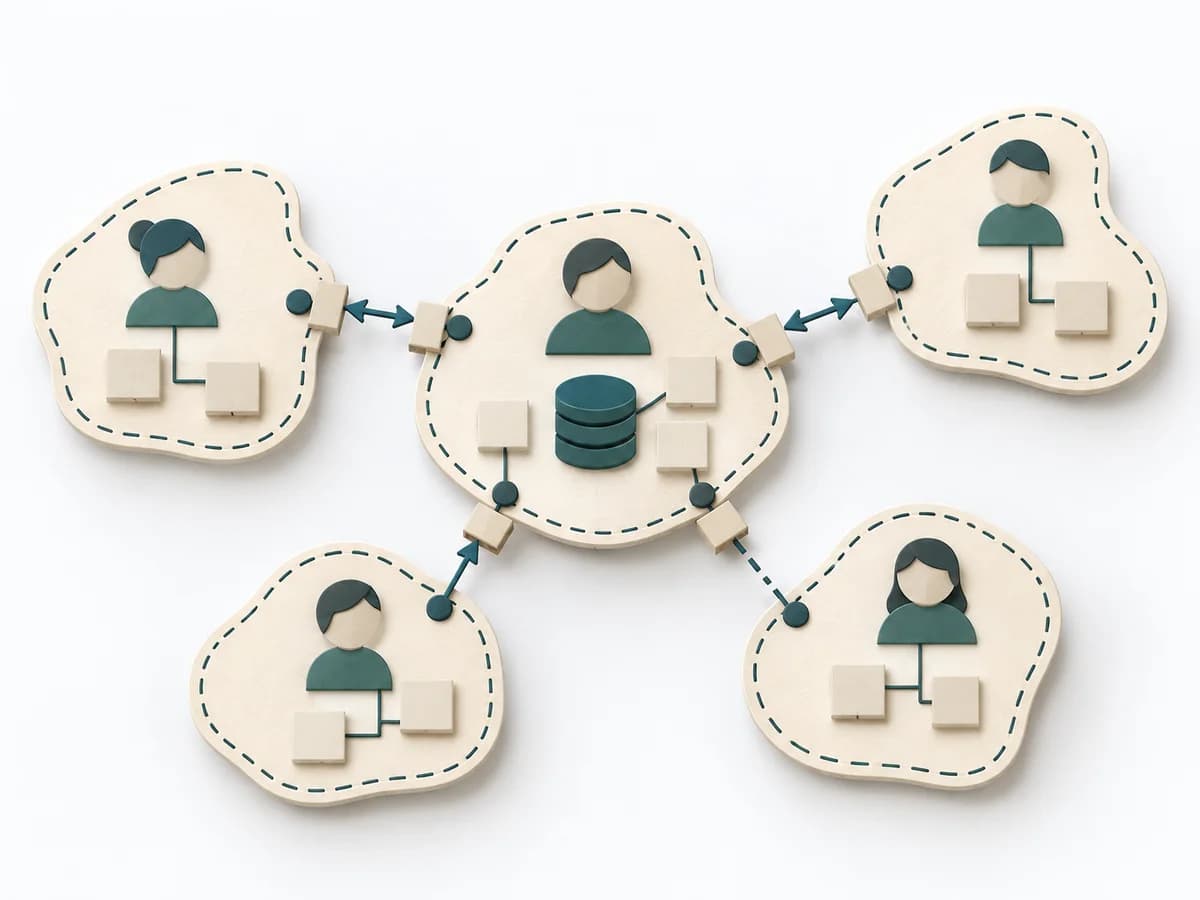 Domain Modeling Domain Context Map |
|---|---|---|---|---|
Purposedifferent | Scenario Planning opens the view to several plausible futures instead of a single forecast. The method protects strategies from depending on too narrow an expected path. | GIST Planning helps clarify target groups, value, goals, and priorities. It links customer value, product logic, and decision priorities, and captures the result as goals, an idea bank, and a step-project list. | When several contexts need to talk to each other, it makes their relationships and dependencies legible. It helps sort integration pressure and responsibilities across system boundaries. | When a domain model and its associated contexts need to be thought through together, it creates a shared overview. It connects the business view and organizational boundary into a readable whole. |
Complexitydifferent | High | Medium | Medium | Medium |
Timedifferent | 0.5-2 Tage | Wochen bis Monate je Goal | 1-3 h | 1-3 h |
Participantsdifferent | 4-12 | 3-10 | 2-8 | 3-10 |
Formatdifferent | Workshop | Workshop + async | Workshop + async | Workshop |
Outputdifferent | Scenario Set, Strategic Implications, Robust Options | Goals, Idea bank, Step-project list, Tasks, Learning reports | Context Map, Integration Patterns, Boundary Notes | Domain Context Map, Boundary Notes, Ownership Map |
Tagsno overlap | StrategyUncertaintyPlanning | RoadmapOutcomesPlanningExperiments | Domain-Driven DesignBoundariesStrategy | Domain-Driven DesignContextBoundaries |