View methods side by side.
Choose up to four methods. Add them using the search and share the comparison by copying its link.
| Criterion | 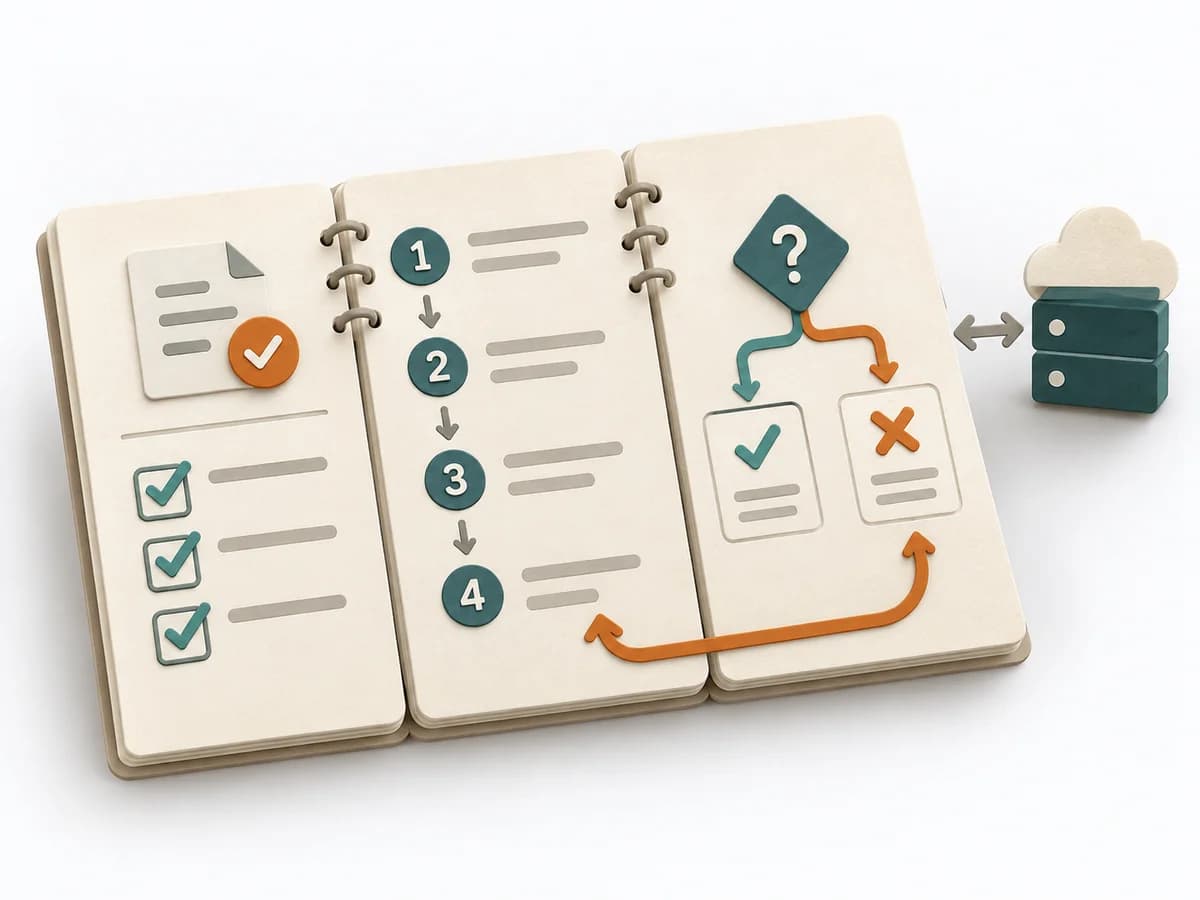 Operations Runbook | 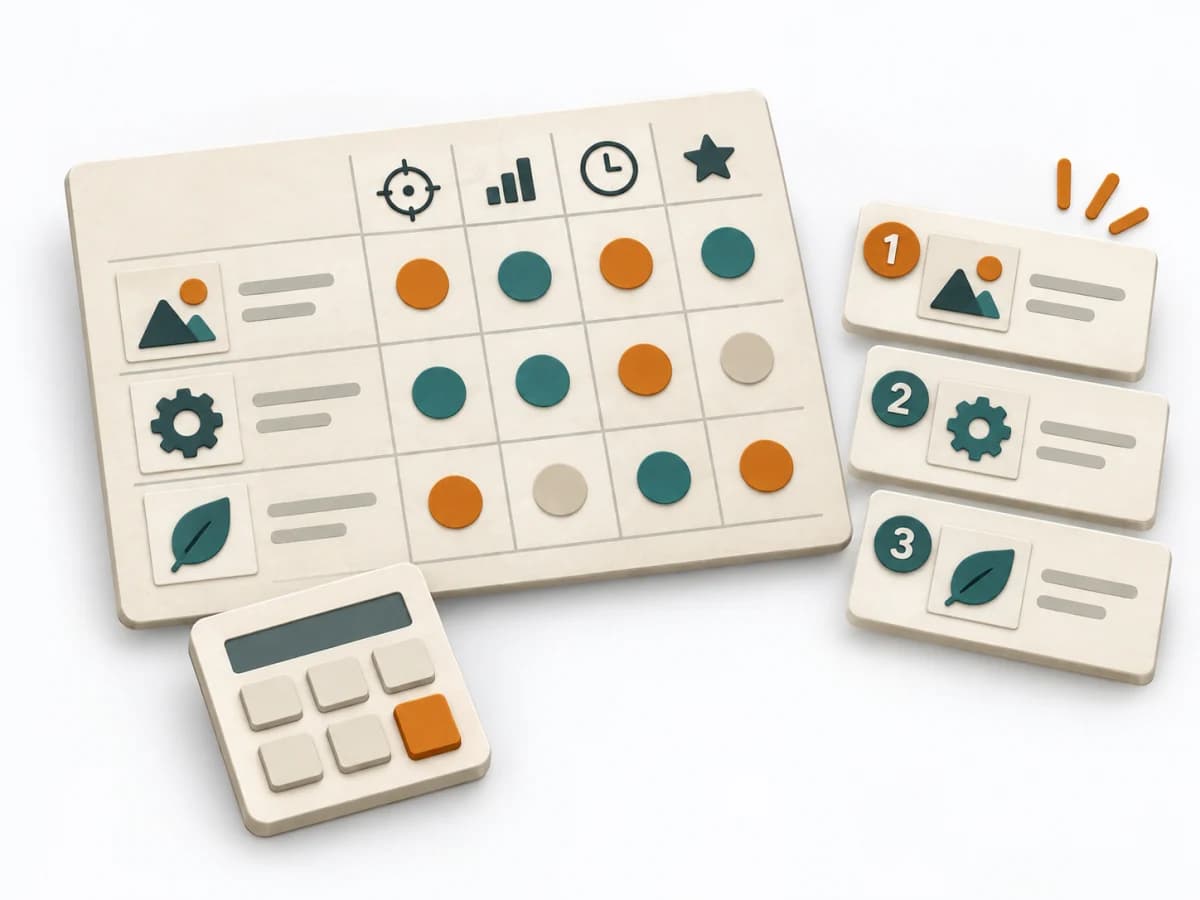 Product Strategy RICE Scoring |  Decision Making Trade-off Analysis | 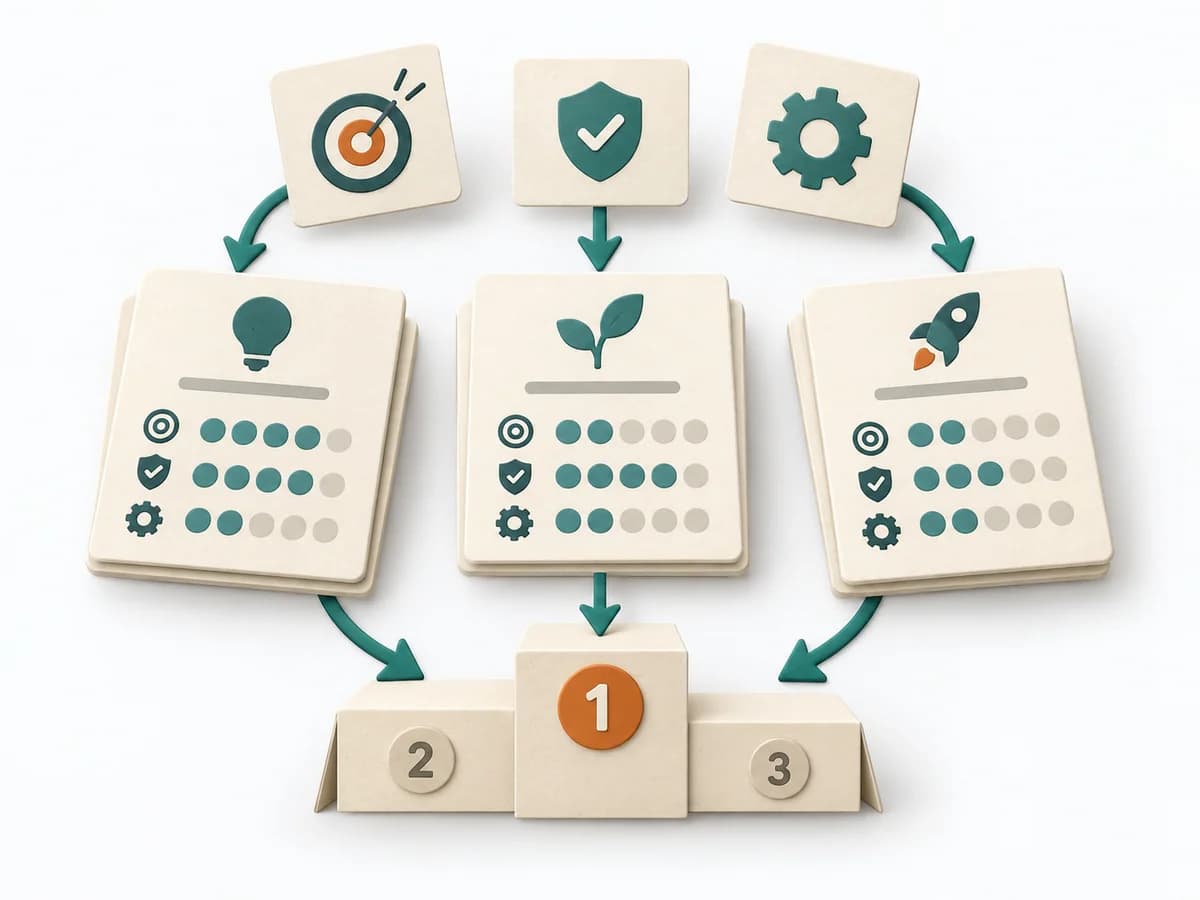 Product Strategy ICE Scoring |
|---|---|---|---|---|
Purposedifferent | For recurring operational tasks or incidents, the method keeps solid action logic ready. It reduces uncertainty when time pressure, role changes, or rare situations demand fast access. | When many initiatives compete for the same resources, it brings reach, impact, confidence, and effort into one shared ranking. It makes prioritization economically connectable. | With limited resources, quality, speed, cost, and risk almost always compete with each other. Trade-off Analysis makes these tensions explicit and prevents decisions from producing hidden side effects. | When ideas need sorting quickly, it condenses impact, confidence, and effort into one compact score. It connects customer value, product logic, and decision priorities. The result is captured as an ICE table and top-ideas list. |
Complexitydifferent | Low | Medium | Medium | Low |
Timedifferent | 20-60 min | 60-90 min | 45-120 min | 30-60 min |
Participantsdifferent | 1-4 | 2-10 | 2-8 | 2-8 |
Formatdifferent | Async | Workshop + async | Workshop + async | Workshop + async |
Outputdifferent | Runbook, Checklist, Escalation Path | RICE Scores, Ranked List, Assumption Log | Trade-off Matrix, Criteria List, Decision Rationale, Accepted Downsides | ICE Table, Top Idea List |
Tagsno overlap | OperationsReliabilityDocumentation | PrioritizationScoringRoadmapTradeoffs | TradeoffsDecisionCriteriaOptions | PrioritizationScoringGrowthDecision |