View methods side by side.
Choose up to four methods. Add them using the search and share the comparison by copying its link.
| Criterion | 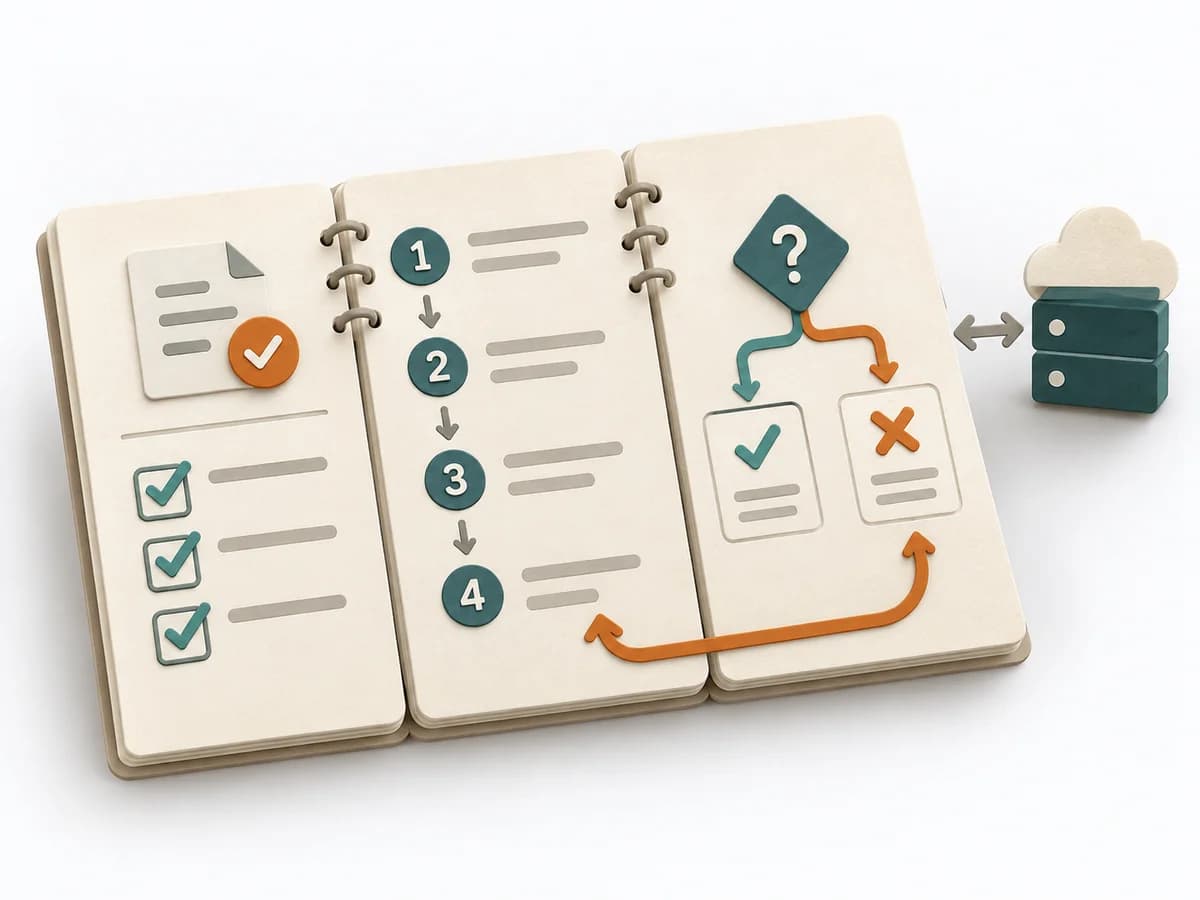 Operations Runbook | 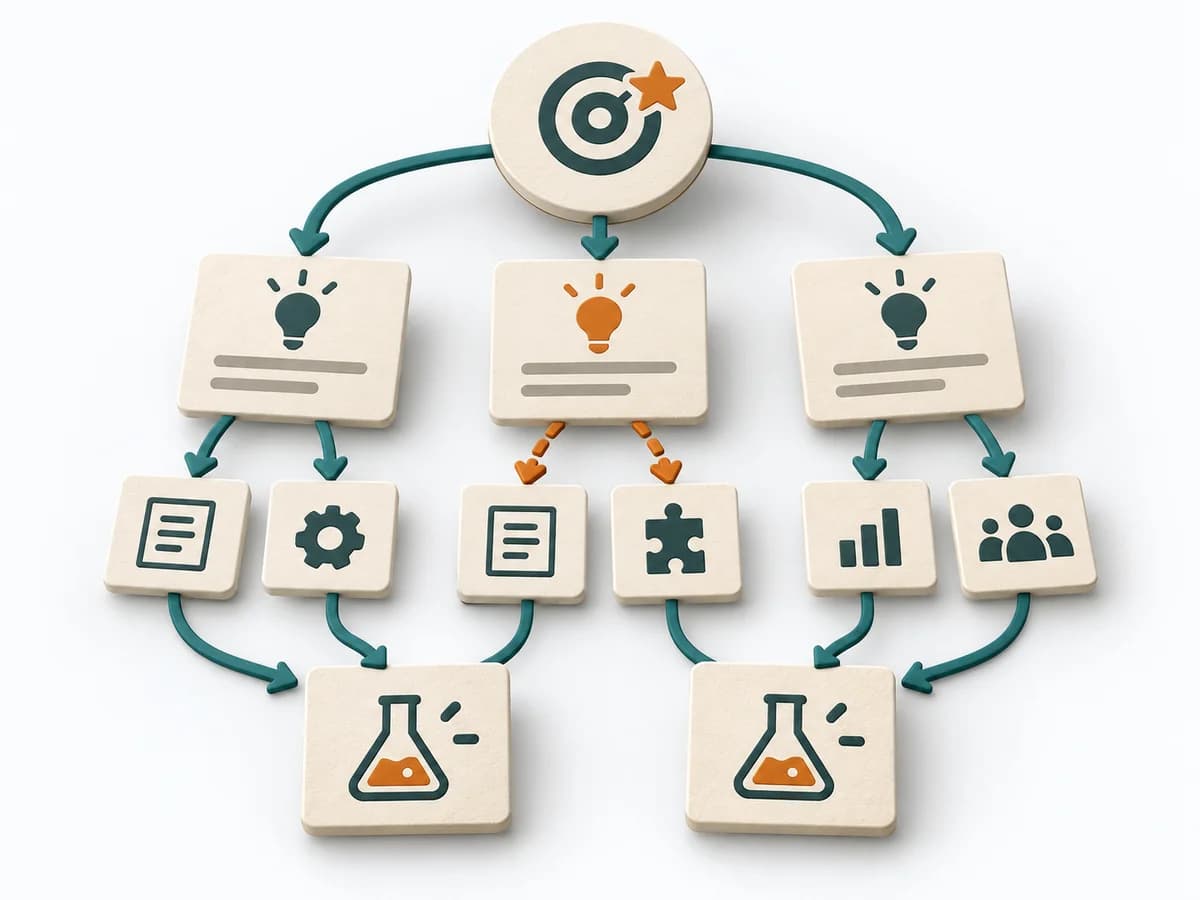 Product Discovery Opportunity Solution Tree | 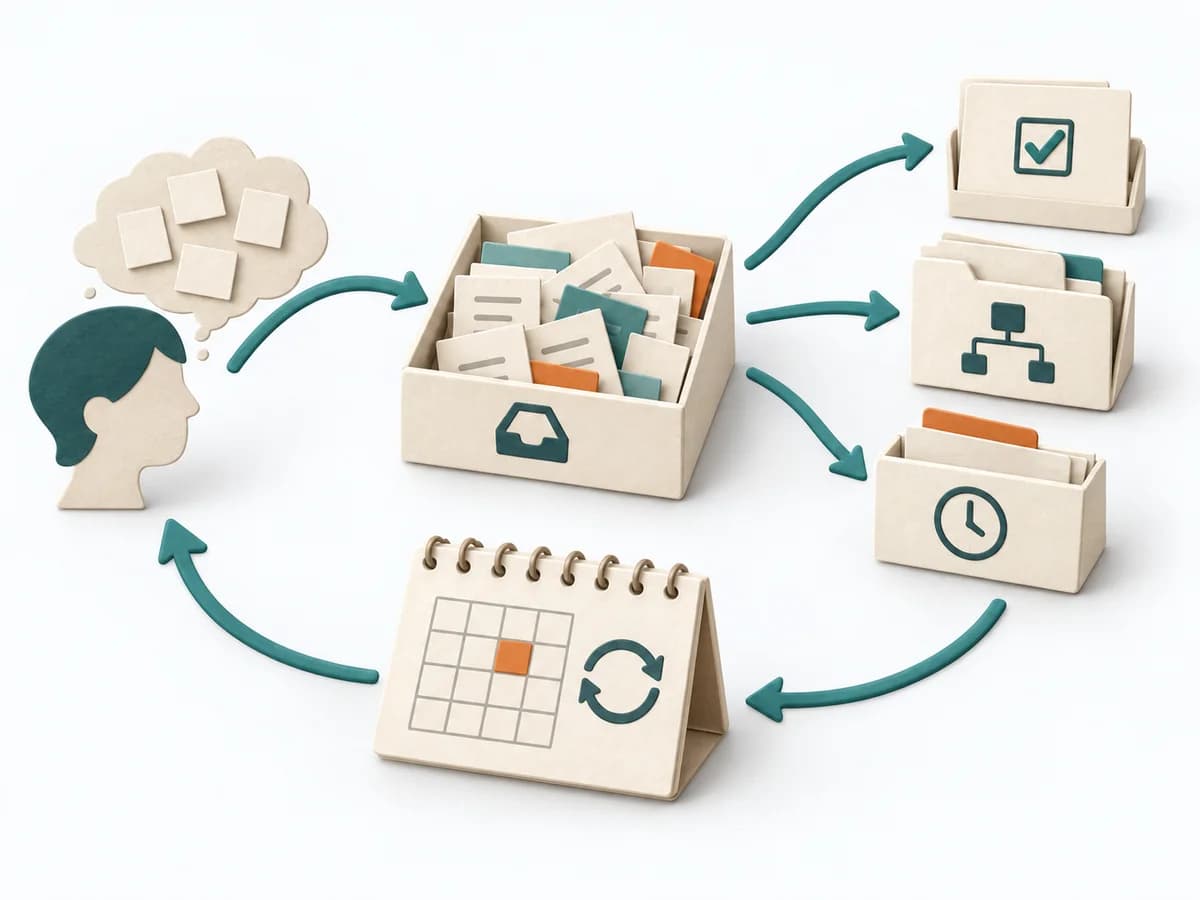 Operations Getting Things Done | 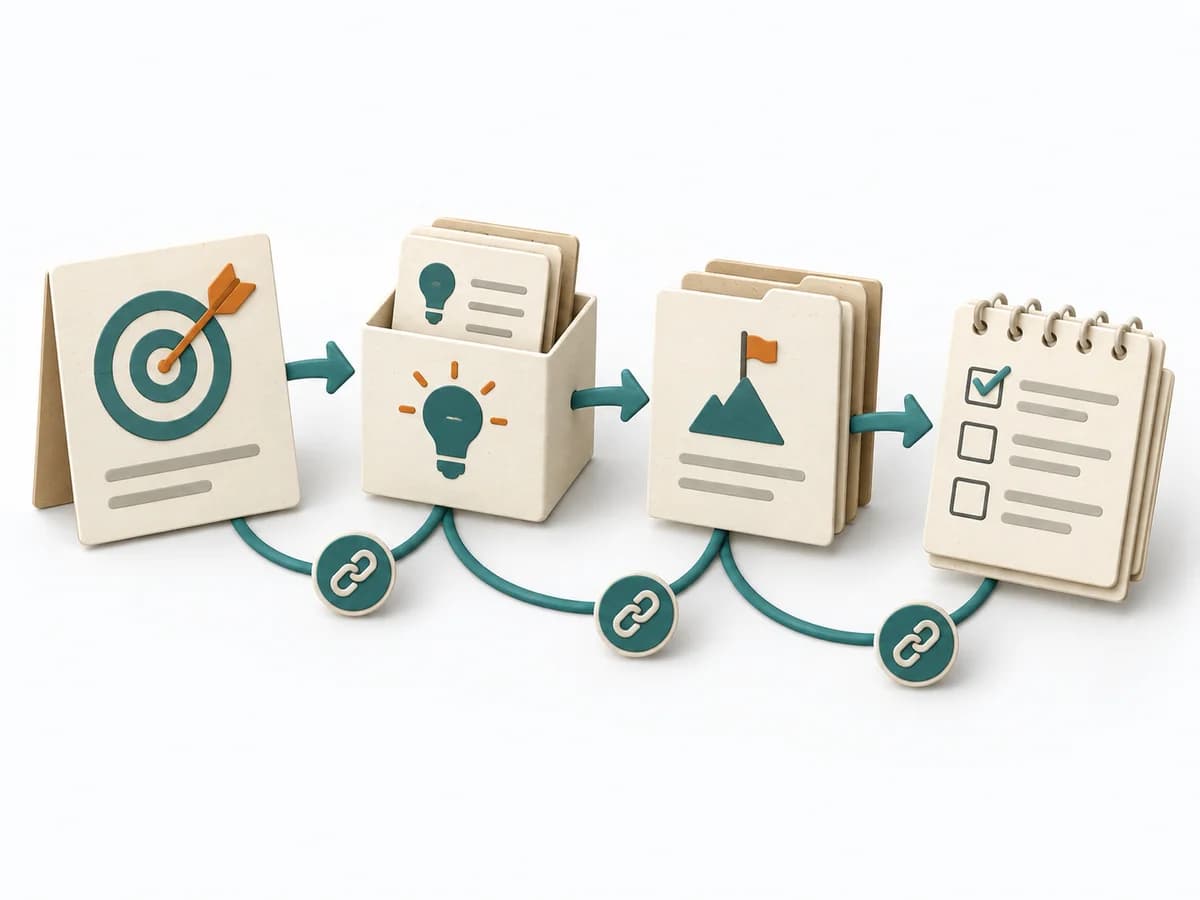 Product Strategy GIST Planning |
|---|---|---|---|---|
Purposedifferent | For recurring operational tasks or incidents, the method keeps solid action logic ready. It reduces uncertainty when time pressure, role changes, or rare situations demand fast access. | When discovery keeps swinging between goals, ideas, and learning loops, it creates clear steering logic. It connects the desired outcome, opportunities, and experiments into a legible structure. | With many open commitments and ideas in daily life, a reliable external storage system emerges. The method relieves the mind so priority and context don't have to compete in memory. | GIST Planning helps clarify target groups, value, goals, and priorities. It links customer value, product logic, and decision priorities, and captures the result as goals, an idea bank, and a step-project list. |
Complexitydifferent | Low | Medium | Medium | Medium |
Timedifferent | 20-60 min | 1-2 h Setup, laufend | 1-2 h Setup, laufend | Wochen bis Monate je Goal |
Participantsdifferent | 1-4 | 2-6 | 1 | 3-10 |
Formatdifferent | Async | Workshop + async | Async | Workshop + async |
Outputdifferent | Runbook, Checklist, Escalation Path | Opportunity Solution Tree, Experiment Backlog, Learning Log | Action Lists, Project List, Review Routine | Goals, Idea bank, Step-project list, Tasks, Learning reports |
Tagsno overlap | OperationsReliabilityDocumentation | DiscoveryOutcomesExperimentsOpportunity | ProductivityPlanningTasksExecution | RoadmapOutcomesPlanningExperiments |