View methods side by side.
Choose up to four methods. Add them using the search and share the comparison by copying its link.
| Criterion | 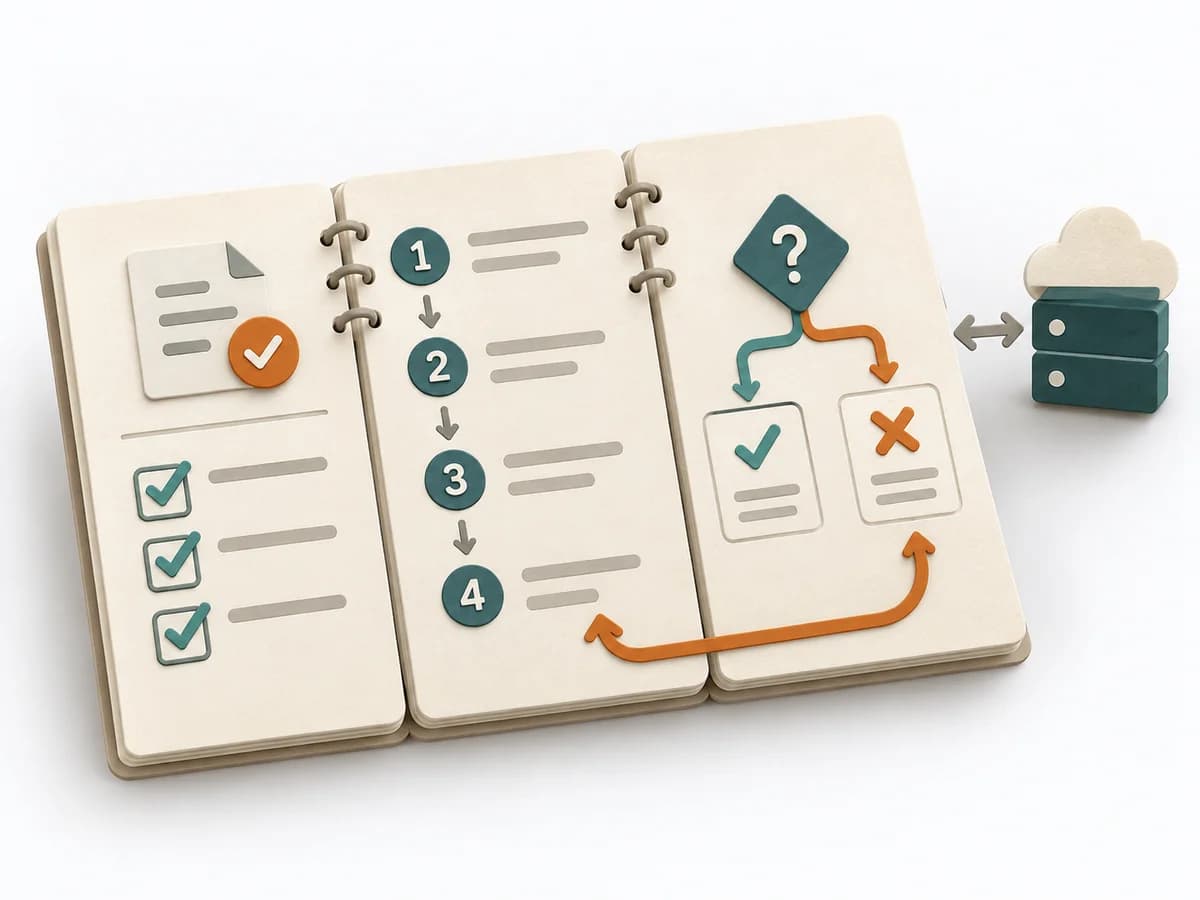 Operations Runbook |  Decision Making Decision Tree | 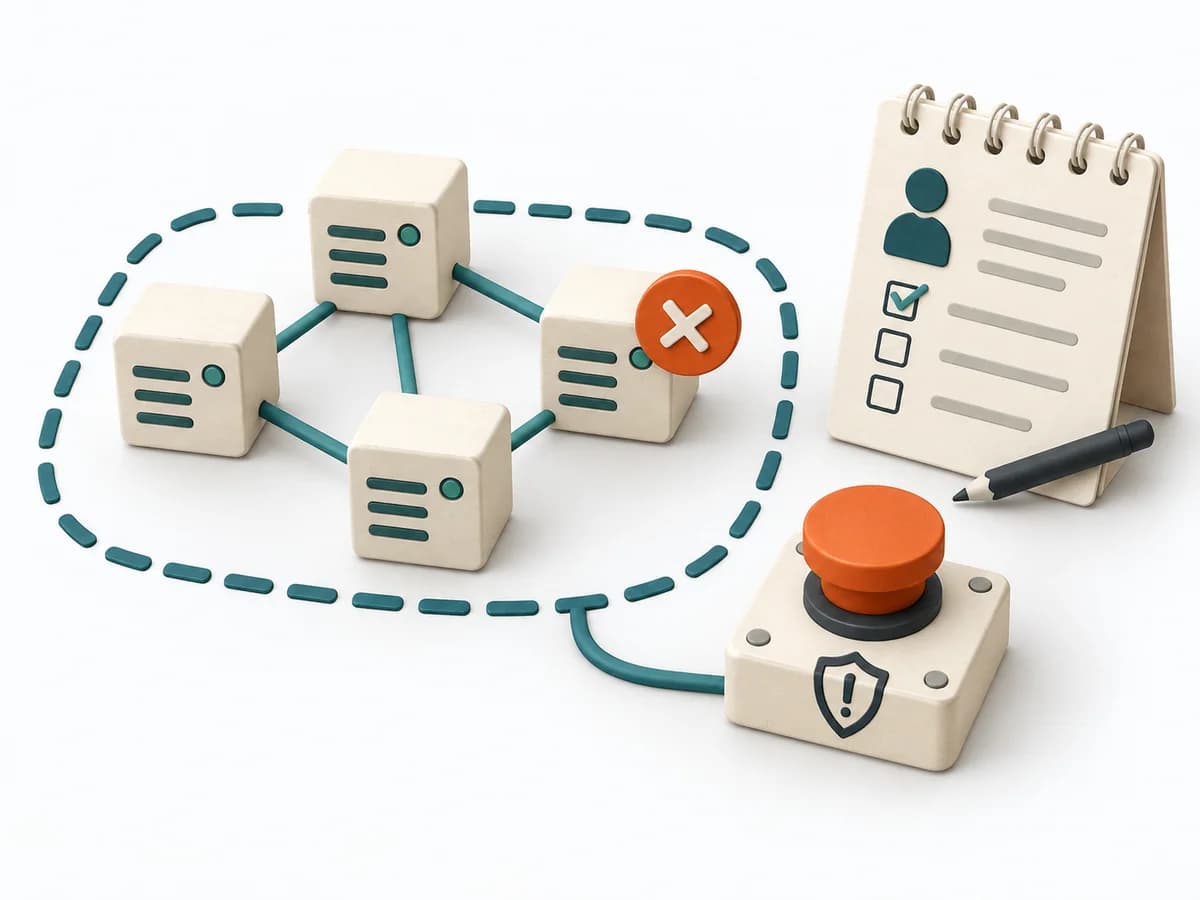 DevOps Game Day |  Decision Making Constraint Analysis |
|---|---|---|---|---|
Purposedifferent | For recurring operational tasks or incidents, the method keeps solid action logic ready. It reduces uncertainty when time pressure, role changes, or rare situations demand fast access. | For decisions with follow-on paths and dependencies, a linear comparison is often not enough. A Decision Tree shows how options branch under conditions and which consequences hang on each branch. | In preparing for rare incidents, the method tests response capability under controlled conditions. It shows where assumptions about stability, roles, and recovery are too optimistic. | When an initiative stalls, the limit often lies not in the idea but in hard or soft boundary conditions. Constraint Analysis separates these limits and shows which of them can actually be shaped. |
Complexitydifferent | Low | Medium | High | Low |
Timedifferent | 20-60 min | 30-90 min | Halber Tag | 30-90 min |
Participantsdifferent | 1-4 | 1-6 | 5-20 | 2-8 |
Formatdifferent | Async | Workshop + async | Workshop | Workshop + async |
Outputdifferent | Runbook, Checklist, Escalation Path | Decision Tree, Option Map, Assumption List | Simulation Notes, Gaps List, Updated Runbooks | Constraint List, Hard/Soft Classification, Option Impact Notes, Decision Boundaries |
Tagsno overlap | OperationsReliabilityDocumentation | DecisionTreeOptions | ResilienceOperationsIncident | ConstraintsDecisionPlanningOptions |