View methods side by side.
Choose up to four methods. Add them using the search and share the comparison by copying its link.
| Criterion | 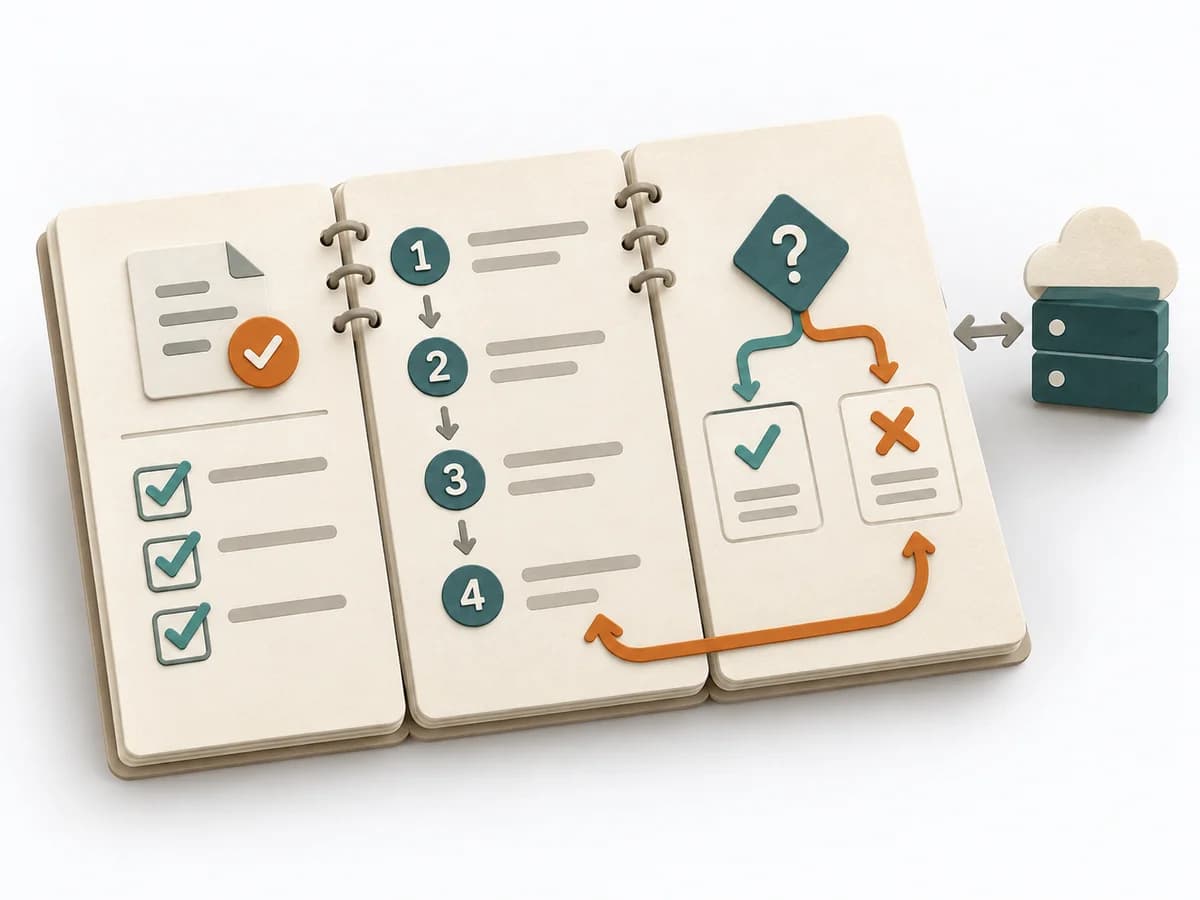 Operations Runbook | 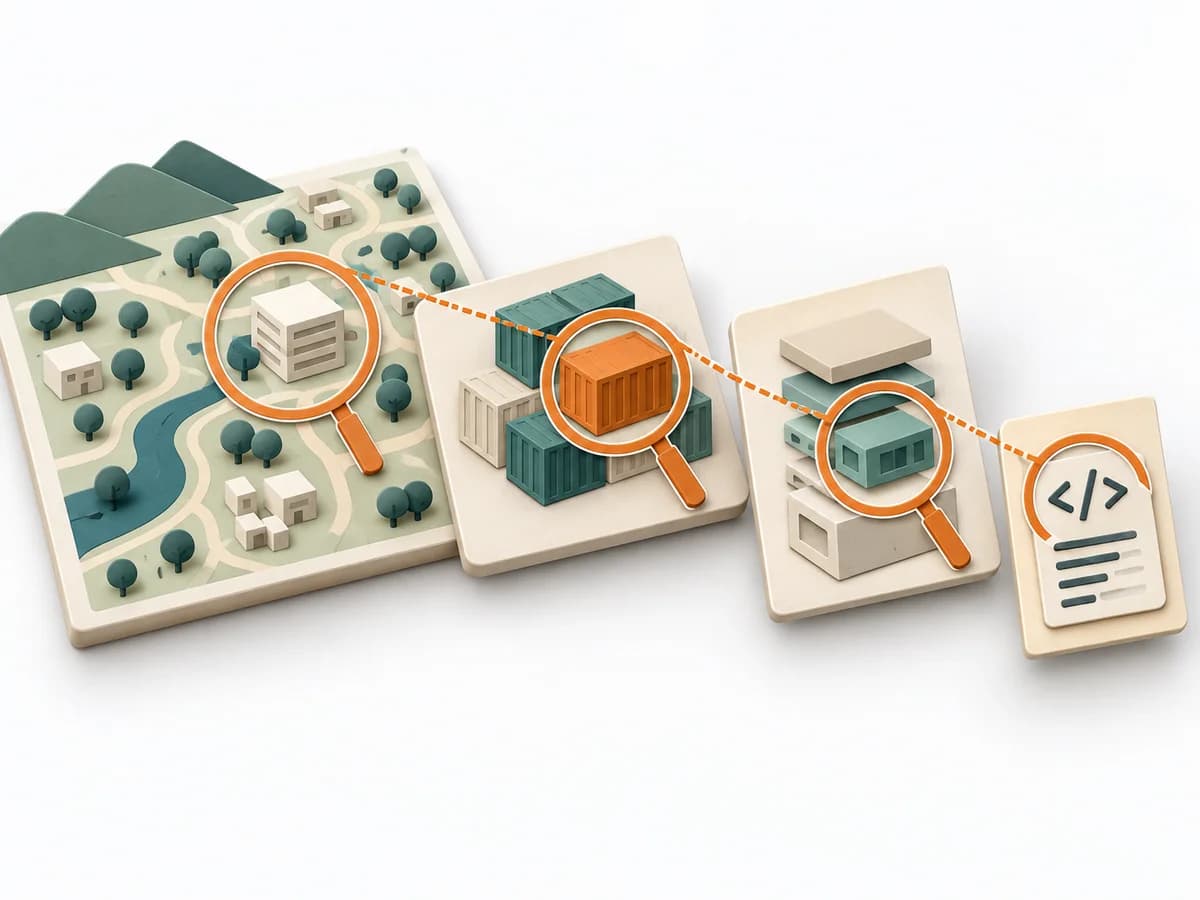 Architecture C4 Model | 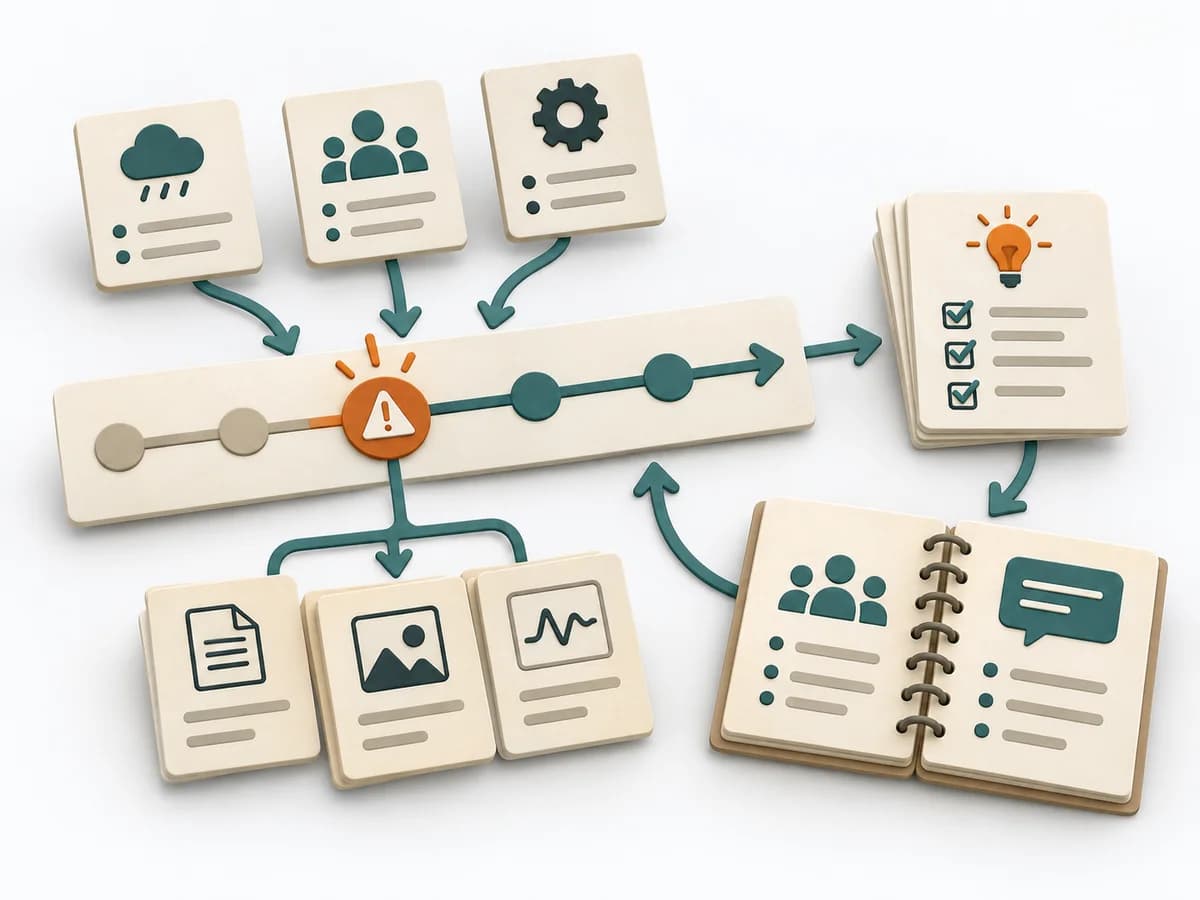 DevOps Blameless Postmortem | 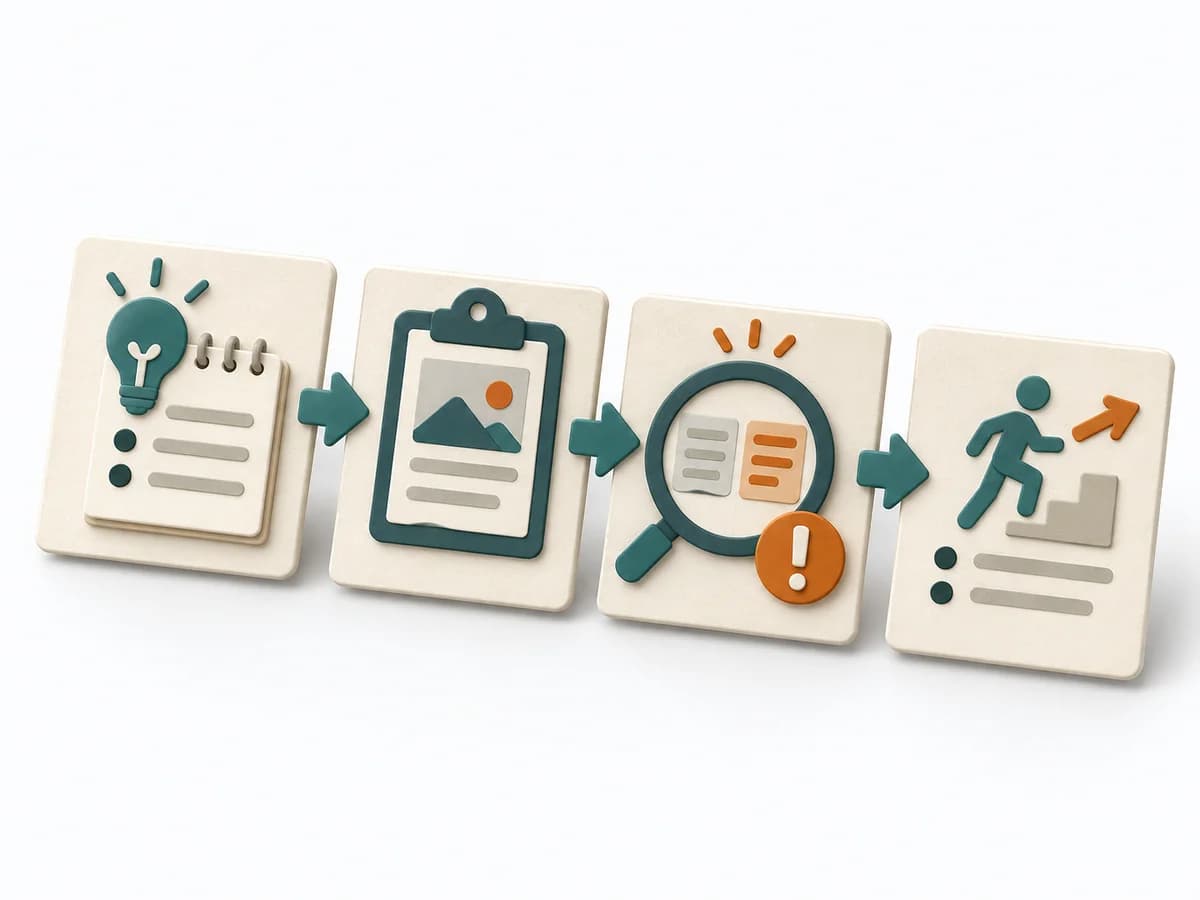 Operations After-Action Review |
|---|---|---|---|---|
Purposedifferent | For recurring operational tasks or incidents, the method keeps solid action logic ready. It reduces uncertainty when time pressure, role changes, or rare situations demand fast access. | The C4 Model makes a system legible across several resolution levels, from context down to code. It suits situations where different audiences need to understand the same architecture from different altitudes. | After an incident with damage or a near miss, the method creates a sober field for learning without assigning blame. It directs attention to the course of events, conditions, and effective countermeasures. | After missions or project phases with unclear outcomes, the method makes visible what actually happened and what can be learned from it. It separates course, effect, and causes so experience turns into solid improvement. |
Complexitydifferent | Low | Low | Medium | Low |
Timedifferent | 20-60 min | 1-4 h | 30-90 min | 20-45 min |
Participantsdifferent | 1-4 | 1-5 | 3-12 | 3-12 |
Formatdifferent | Async | Workshop + async | Workshop + async | Workshop + async |
Outputdifferent | Runbook, Checklist, Escalation Path | Context Diagram, Container Diagram, Component Diagram | Postmortem Doc, Action Items, Timeline | Lessons learned, Action items, Event summary |
Tagsno overlap | OperationsReliabilityDocumentation | ArchitectureCommunicationVisualization | Site Reliability EngineeringIncidentLearningReliability | LearningOperationsImprovement |