View methods side by side.
Choose up to four methods. Add them using the search and share the comparison by copying its link.
| Criterion |  Agile ROAM Board |  Facilitation Expectation Mapping | 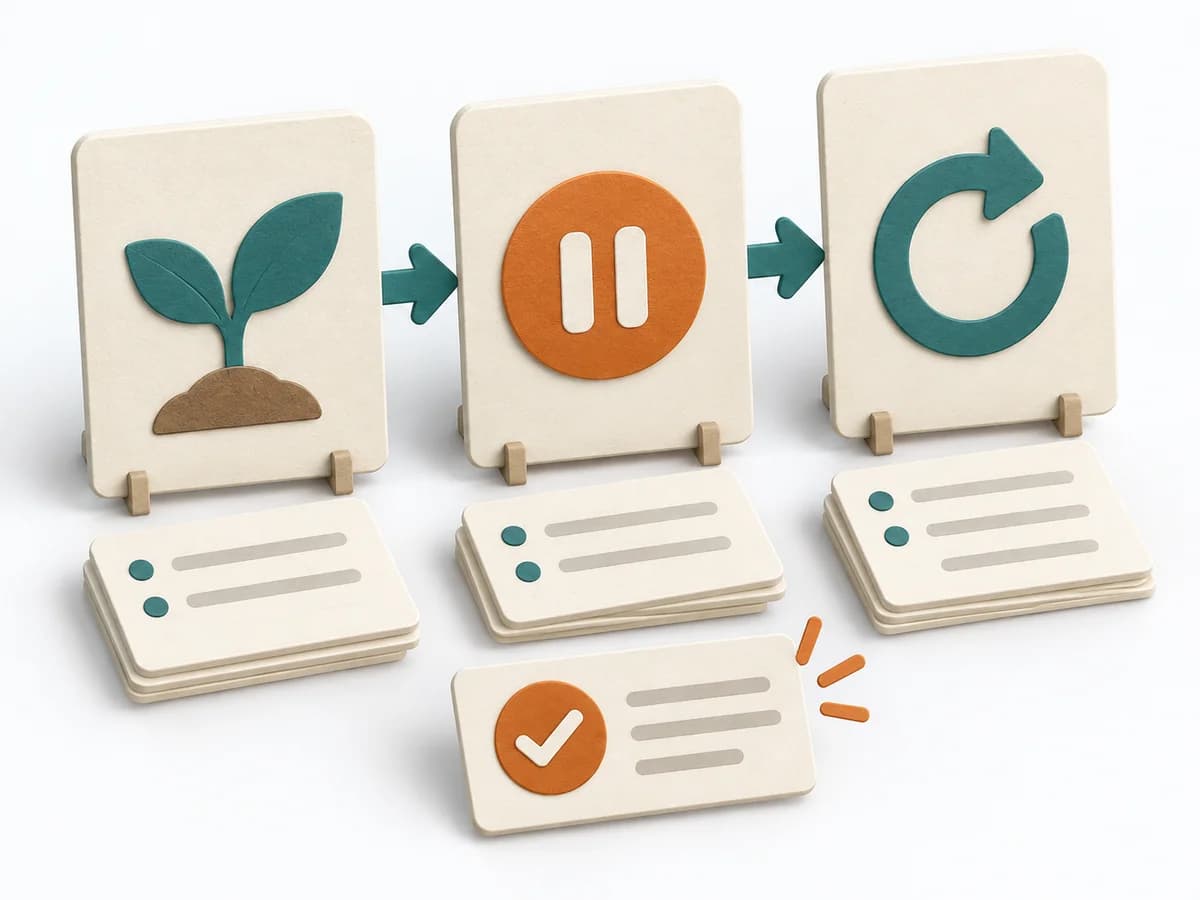 Agile Start Stop Continue | 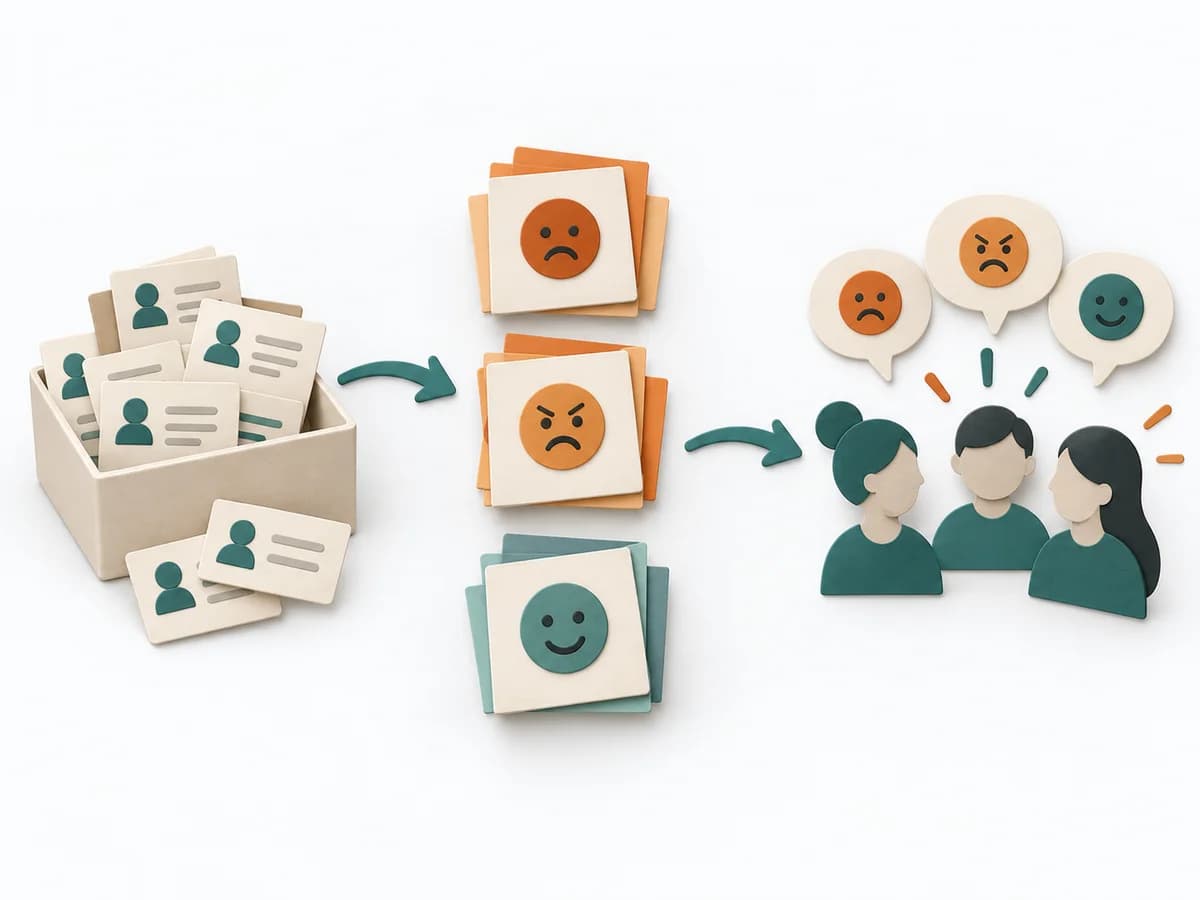 Agile Mad Sad Glad |
|---|---|---|---|---|
Purposedifferent | When work needs to move between different states or columns, it makes that movement and its handoffs legible. It sorts work by value, risk, and delivery ability. The result is captured as a ROAM Board and an Owner List. | When roles, interfaces, or projects fail because of differing expectations, Expectation Mapping surfaces these differences. It shows what each side takes for granted and where the pictures diverge. | When a team wants to deliberately adjust its working behavior, it makes habits visible and assessable. It focuses on concrete changes instead of diffuse mood. | When a team's or workshop's mood needs to become readable, it structures emotional signals with little setup. It makes strain, relief, and sources of energy tangible. |
Complexitysame | Low | Low | Low | Low |
Timedifferent | 20-40 min initial, dann laufend | 45-90 min | 30-60 min | 30-60 min |
Participantsdifferent | 3-15 | 3-12 | 3-12 | 3-10 |
Formatdifferent | Workshop + async | Workshop | Workshop | Workshop |
Outputdifferent | ROAM Board, Owner List | Expectation Map, Alignment Notes, Agreements | Start Stop Continue Board, Improvement Actions | Emotion Board, Themes, Action Items |
Tagsno overlap | RiskAgileTrackingAlignment | AlignmentStakeholdersTeam | RetrospectiveImprovementTeamReflection | RetrospectiveTeamReflection |