View methods side by side.
Choose up to four methods. Add them using the search and share the comparison by copying its link.
| Criterion | 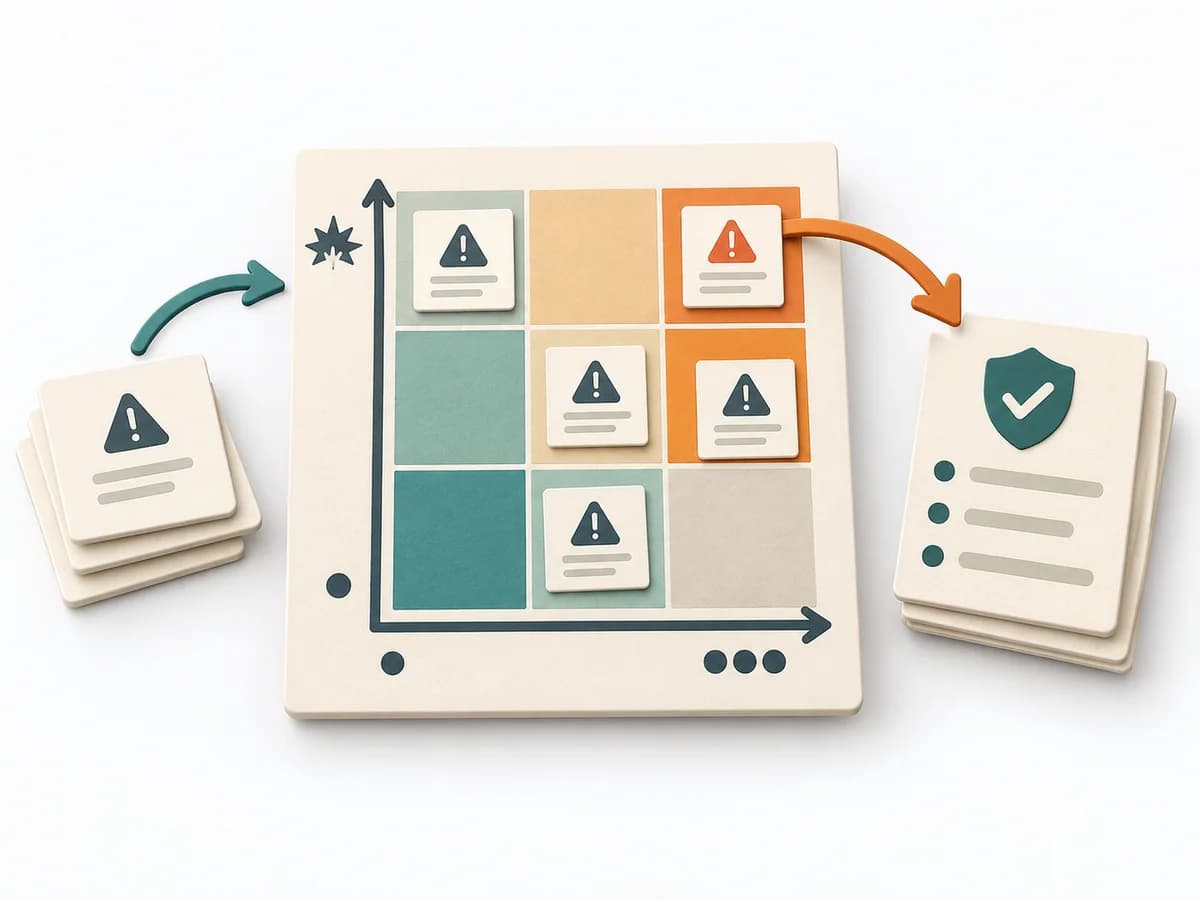 Decision Making Risk Matrix | 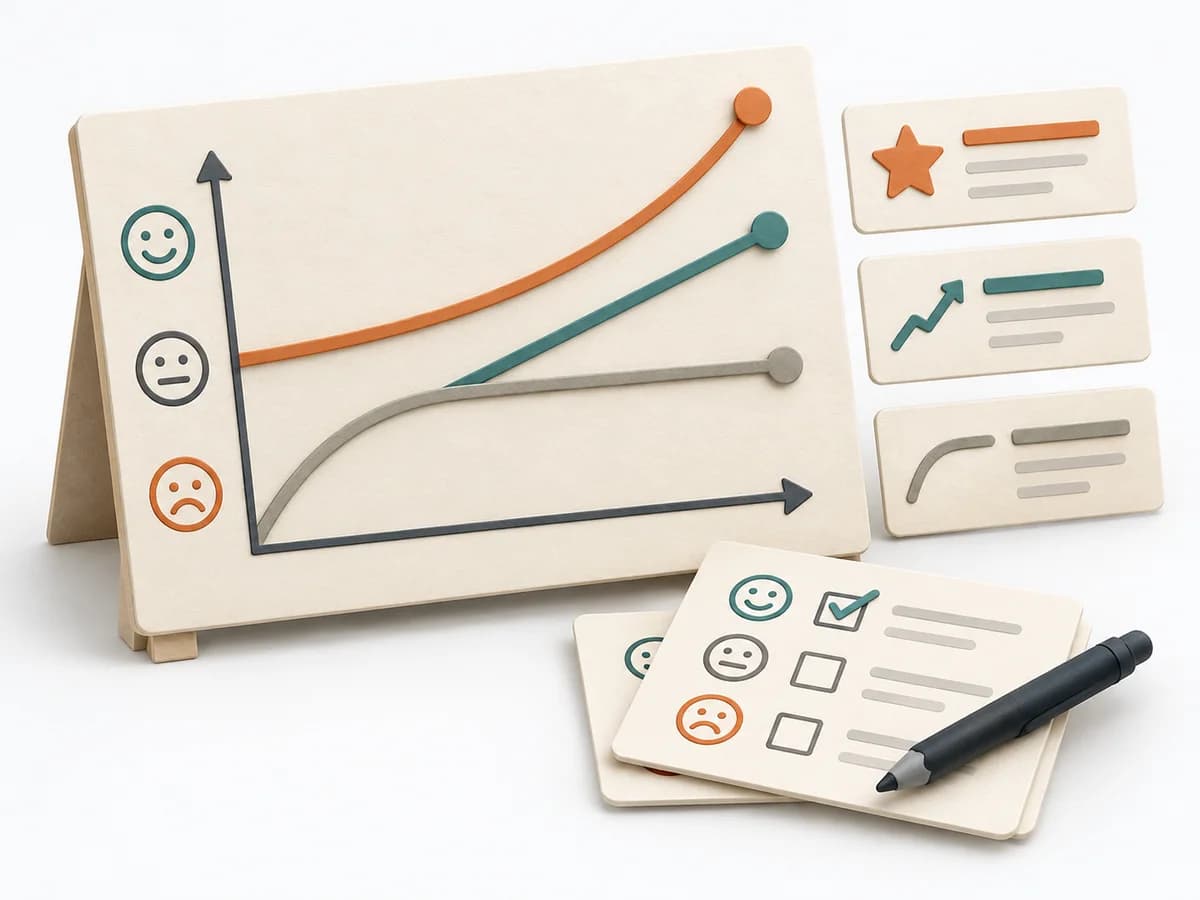 Product Discovery Kano Model | 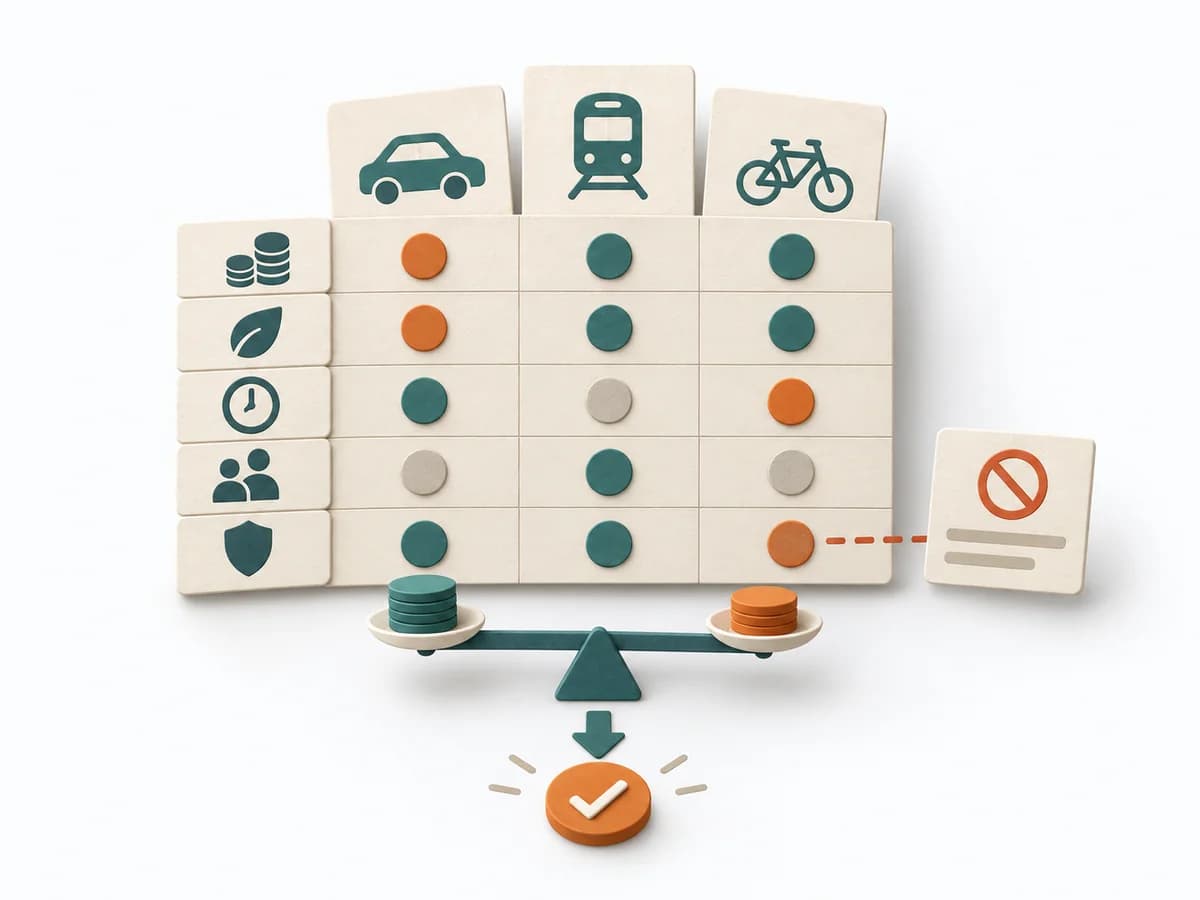 Decision Making Trade-off Analysis |  Decision Making Constraint Analysis |
|---|---|---|---|---|
Purposedifferent | When a project faces many possible disruptions, it quickly becomes unclear which risks deserve attention first. It separates options, evaluation criteria, and open risks. The result is captured as a Risk Matrix and a Top Risk List. | When features need to be distinguished by their effect on satisfaction, it makes expectations and surprises comparable. It separates basic needs, performance contribution, and delight. | With limited resources, quality, speed, cost, and risk almost always compete with each other. Trade-off Analysis makes these tensions explicit and prevents decisions from producing hidden side effects. | When an initiative stalls, the limit often lies not in the idea but in hard or soft boundary conditions. Constraint Analysis separates these limits and shows which of them can actually be shaped. |
Complexitydifferent | Low | Medium | Medium | Low |
Timedifferent | 30-60 min | 1-2 Tage | 45-120 min | 30-90 min |
Participantsdifferent | 3-10 | 10-50 | 2-8 | 2-8 |
Formatsame | Workshop + async | Workshop + async | Workshop + async | Workshop + async |
Outputdifferent | Risk Matrix, Top Risk List | Kano Matrix, Feature Classes, Priority Themes | Trade-off Matrix, Criteria List, Decision Rationale, Accepted Downsides | Constraint List, Hard/Soft Classification, Option Impact Notes, Decision Boundaries |
Tagsno overlap | RiskDecisionPrioritizationAssessment | SatisfactionPrioritizationCustomer | TradeoffsDecisionCriteriaOptions | ConstraintsDecisionPlanningOptions |