View methods side by side.
Choose up to four methods. Add them using the search and share the comparison by copying its link.
| Criterion |  Facilitation Responsibility Poker | 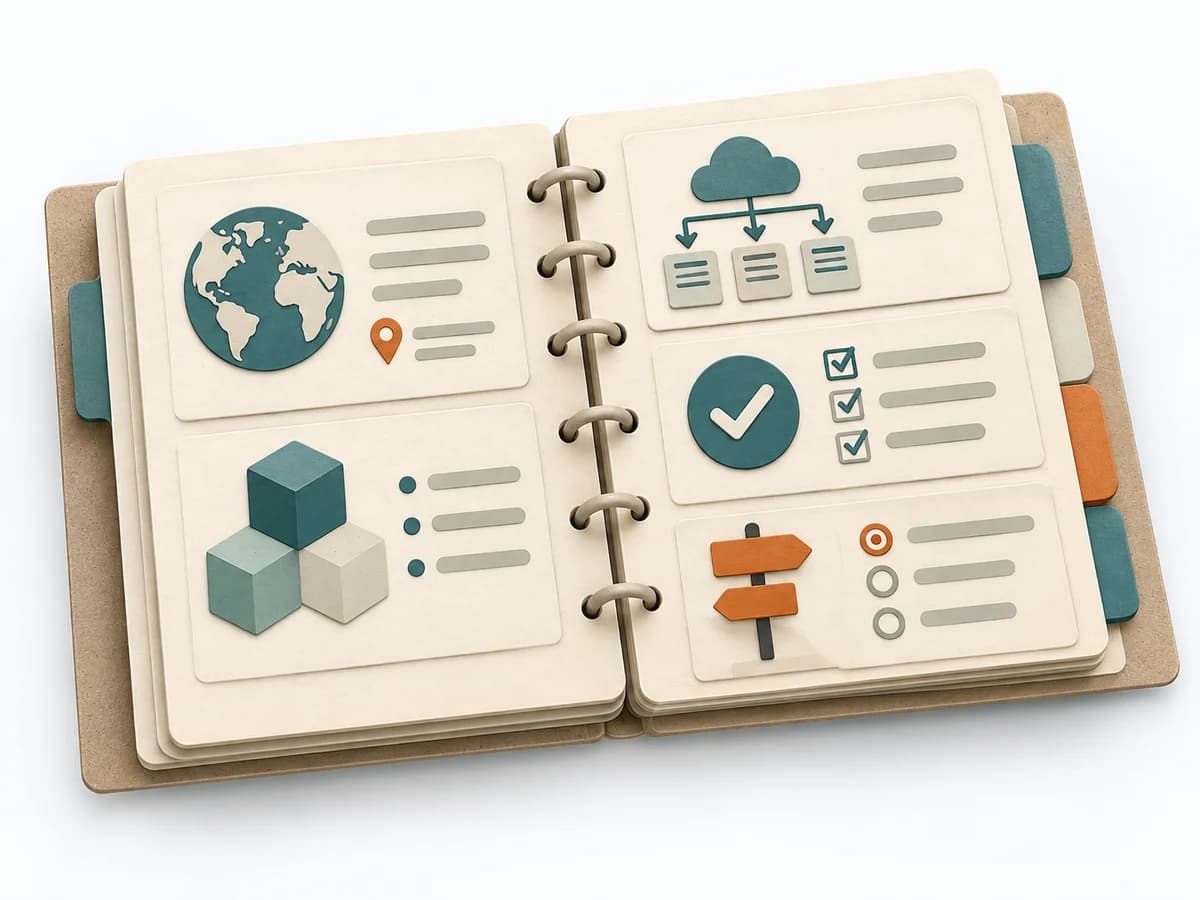 Architecture arc42 |  Facilitation Expectation Mapping |  Facilitation Power Interest Grid |
|---|---|---|---|---|
Purposedifferent | When it stays unclear who carries responsibility and who only contributes, Responsibility Poker makes the distribution of responsibility explicit. It sharpens the boundaries between weighing in, deciding, and bearing consequences. | arc42 structures architecture knowledge so teams can document system, decisions, and risks consistently. The template builds a living understanding of the architecture instead of scattered notes. | When roles, interfaces, or projects fail because of differing expectations, Expectation Mapping surfaces these differences. It shows what each side takes for granted and where the pictures diverge. | When many stakeholders compete for attention at once, the Power Interest Grid sorts them by influence and stake. It turns individual contributions into a visible selection. The result is captured as a Power Interest Grid and a stakeholder-specific strategy. |
Complexitysame | Low | Low | Low | Low |
Timedifferent | 45-90 min | 1-2 Tage | 45-90 min | 30-60 min |
Participantsdifferent | 3-10 | 1-4 | 3-12 | 2-8 |
Formatdifferent | Workshop | Workshop + async | Workshop | Workshop |
Outputdifferent | Responsibility Map, Role Agreements, Open Questions | Architecture Document, Context View, Runtime View, Deployment View | Expectation Map, Alignment Notes, Agreements | Power Interest Grid, Strategy per Stakeholder |
Tagsno overlap | RolesResponsibilityTeamFacilitation | ArchitectureDocumentationCommunication | AlignmentStakeholdersTeam | StakeholdersFacilitationAlignmentPlanning |