View methods side by side.
Choose up to four methods. Add them using the search and share the comparison by copying its link.
| Criterion | 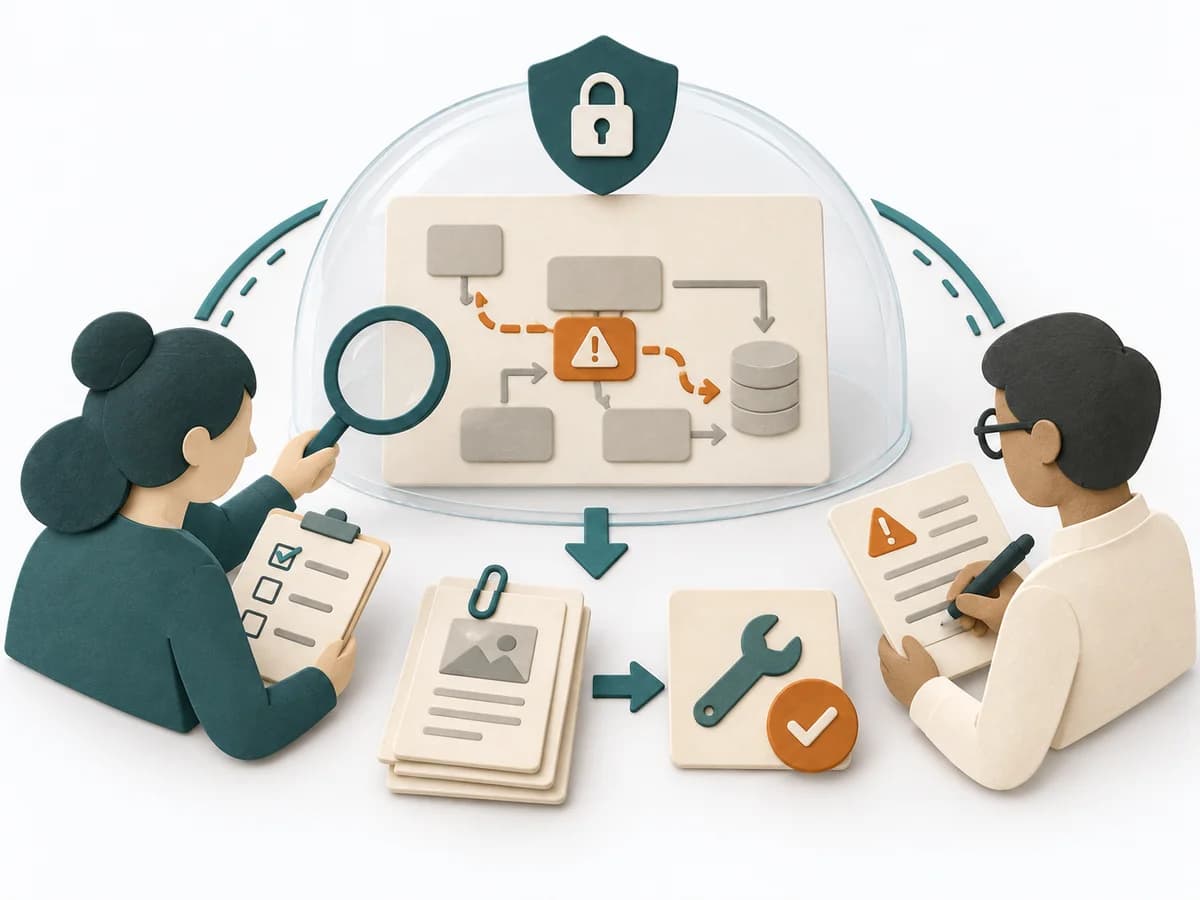 Decision Making Red Teaming |  Facilitation Power Interest Grid | 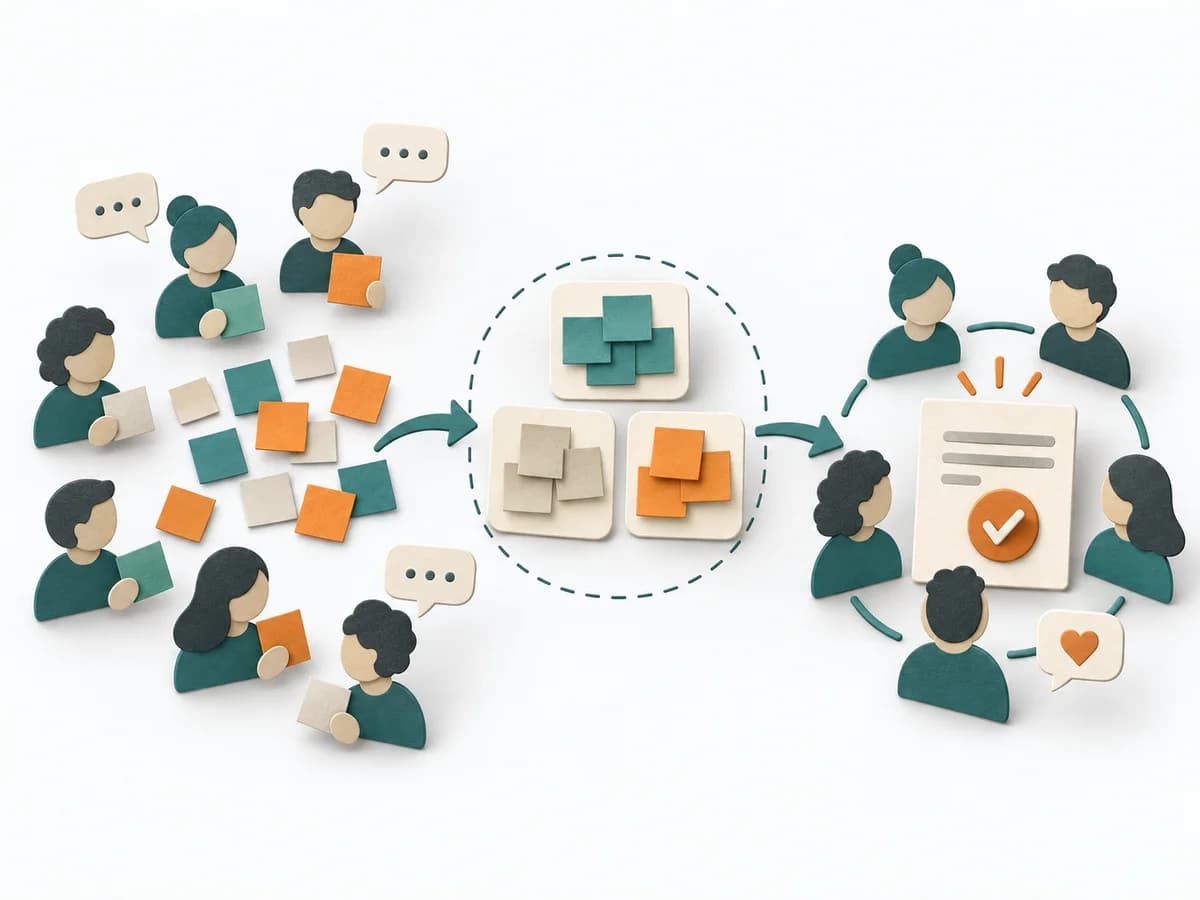 Facilitation Consensus Workshop |  Facilitation Stakeholder Mapping |
|---|---|---|---|---|
Purposedifferent | For strategic decisions with high reach, agreement and gut feeling are often not enough. Red teaming brings deliberate opposition into the situation and tests where a plan breaks under real counterarguments. | When many stakeholders compete for attention at once, the Power Interest Grid sorts them by influence and stake. It turns individual contributions into a visible selection. The result is captured as a Power Interest Grid and a stakeholder-specific strategy. | When a group needs a solid decision without outvoting individual factions, a Consensus Workshop creates a negotiable common ground. It makes agreement, reservations, and open tensions discussable at the same time. | When an initiative depends on many people, interests, and power dynamics, Stakeholder Mapping systematically orders the environment. It shows who influences, who is affected, and where relationship management or safeguarding matters first. |
Complexitydifferent | High | Low | Medium | Low |
Timedifferent | 1-4 h | 30-60 min | 1-3 h | 60–90 min |
Participantsdifferent | 3-8 | 2-8 | 5-30 | 2-8 |
Formatdifferent | Workshop | Workshop | Workshop | Workshop + async |
Outputdifferent | Challenge Findings, Risk Register, Mitigation Plan | Power Interest Grid, Strategy per Stakeholder | Consensus Clusters, Theme Titles, Priority Areas | Stakeholder Map, Engagement Plan, Risk Notes |
Tagsno overlap | RiskDecisionSensemaking | StakeholdersFacilitationAlignmentPlanning | FacilitationConsensusWorkshopAlignment | StakeholdersAlignmentFacilitationChange |