View methods side by side.
Choose up to four methods. Add them using the search and share the comparison by copying its link.
| Criterion | 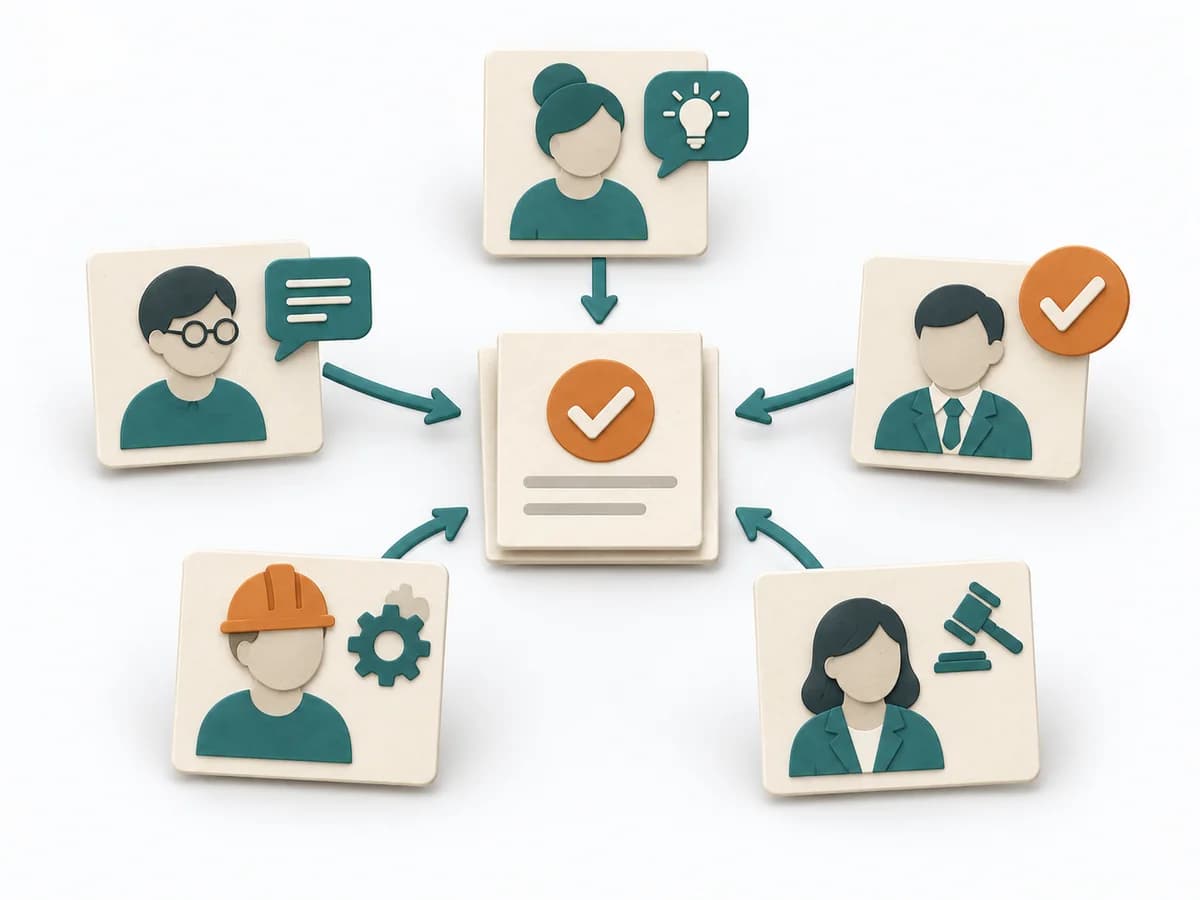 Decision Making RAPID | 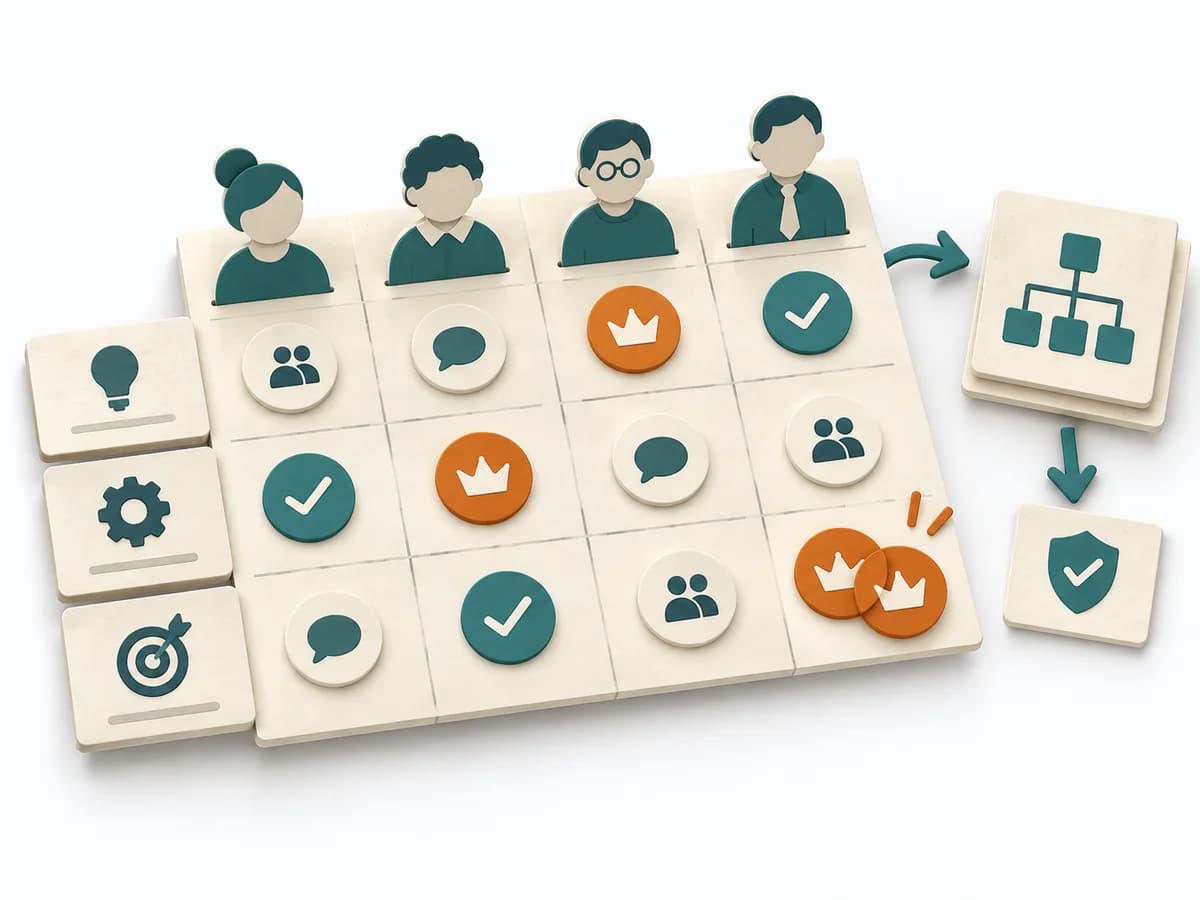 Decision Making Decision Rights Mapping | 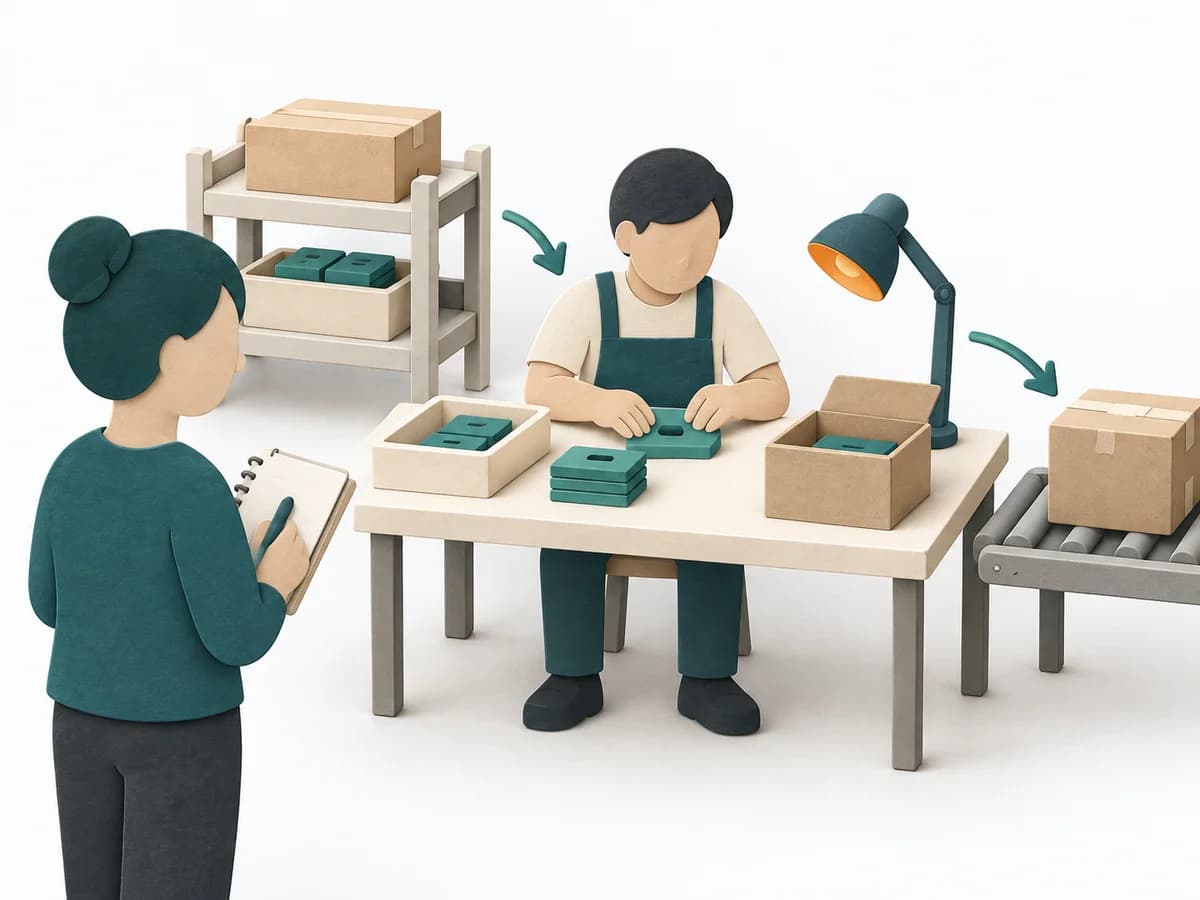 Operations Gemba Walk | 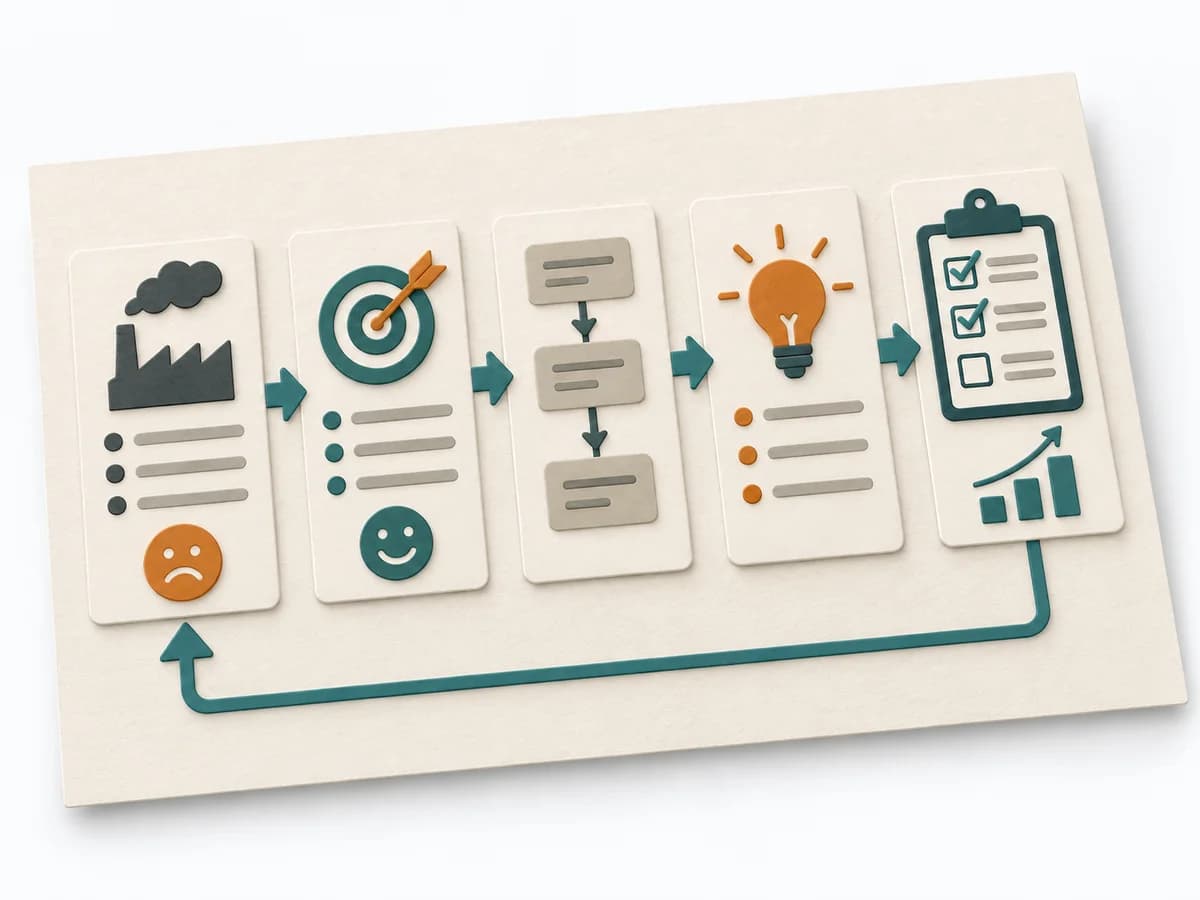 Operations A3 Problem Solving |
|---|---|---|---|---|
Purposedifferent | In complex management decisions, clarity is often missing about who recommends, who agrees, and who makes the decision. RAPID creates this assignment and stabilizes decisions across several levels. | In organizations with many stakeholders, it often blurs who actually decides and who is merely consulted. It separates options, evaluation criteria, and open risks. The result is captured as a Decision Rights matrix and an agreement. | When there is uncertainty about the real course of a process, the method brings observation to the place where work happens. It combines perception, follow-up questions, and process knowledge so decisions rest on actual workflows instead of assumptions. | For a complex deviation with several people involved, the method bundles problem, analysis, and decision onto one page. It creates a shared working space where causes, countermeasures, and follow-up fit together. |
Complexitydifferent | Medium | Medium | Low | Medium |
Timedifferent | 45-90 min | 90-180 min | 30-120 min | 45-90 min |
Participantsdifferent | 3-12 | 4-12 | 2-6 | 2-5 |
Formatdifferent | Workshop + async | Workshop | Workshop | Workshop + async |
Outputdifferent | RAPID Role Map, Recommendation, Decision Log | Decision Rights Matrix, Agreement | Observation Notes, Improvement Ideas | A3 Report, Action Plan, Root Cause Analysis |
Tagsno overlap | DecisionRolesGovernance | DecisionGovernanceAlignmentResponsibility | LeanObservationProcessOperations | LeanProblem solvingCoachingOperations |