View methods side by side.
Choose up to four methods. Add them using the search and share the comparison by copying its link.
| Criterion | 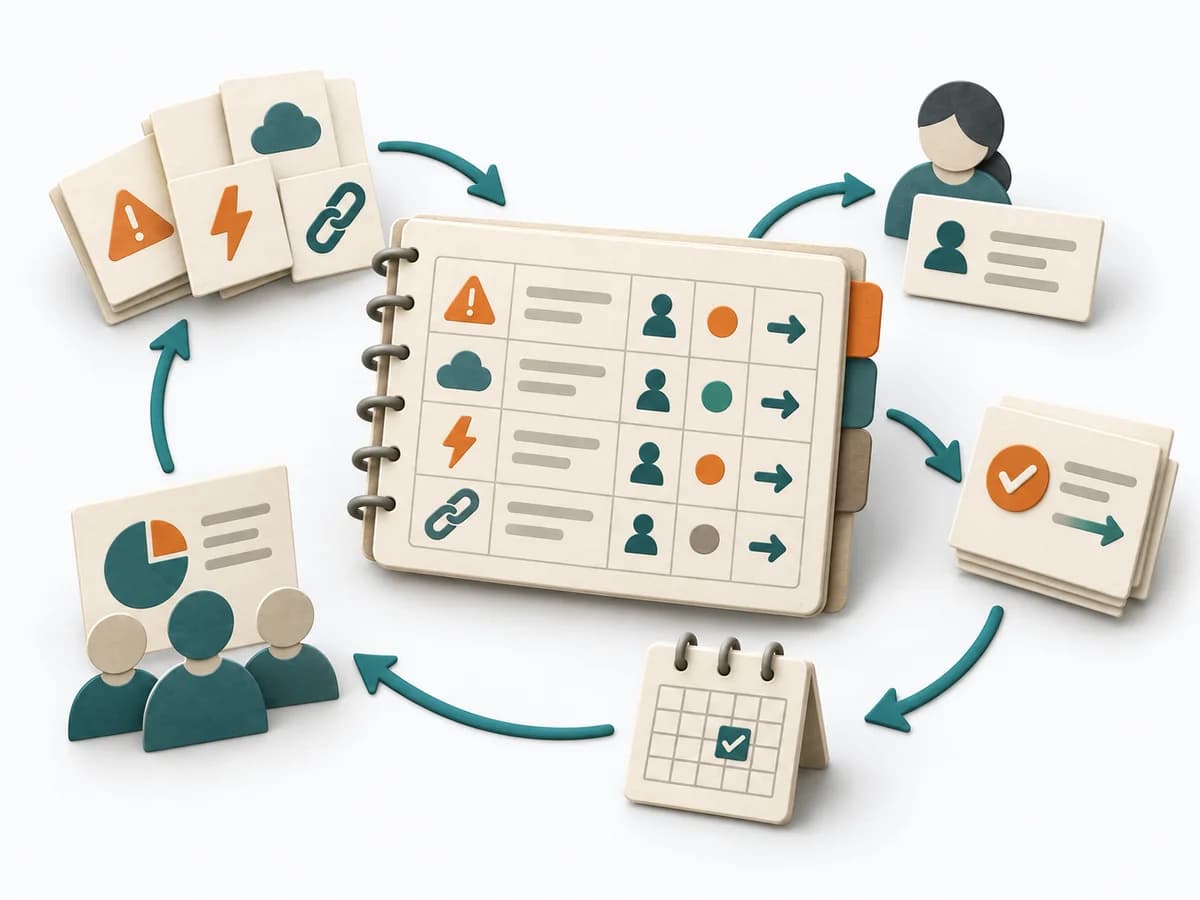 Delivery RAID Log | 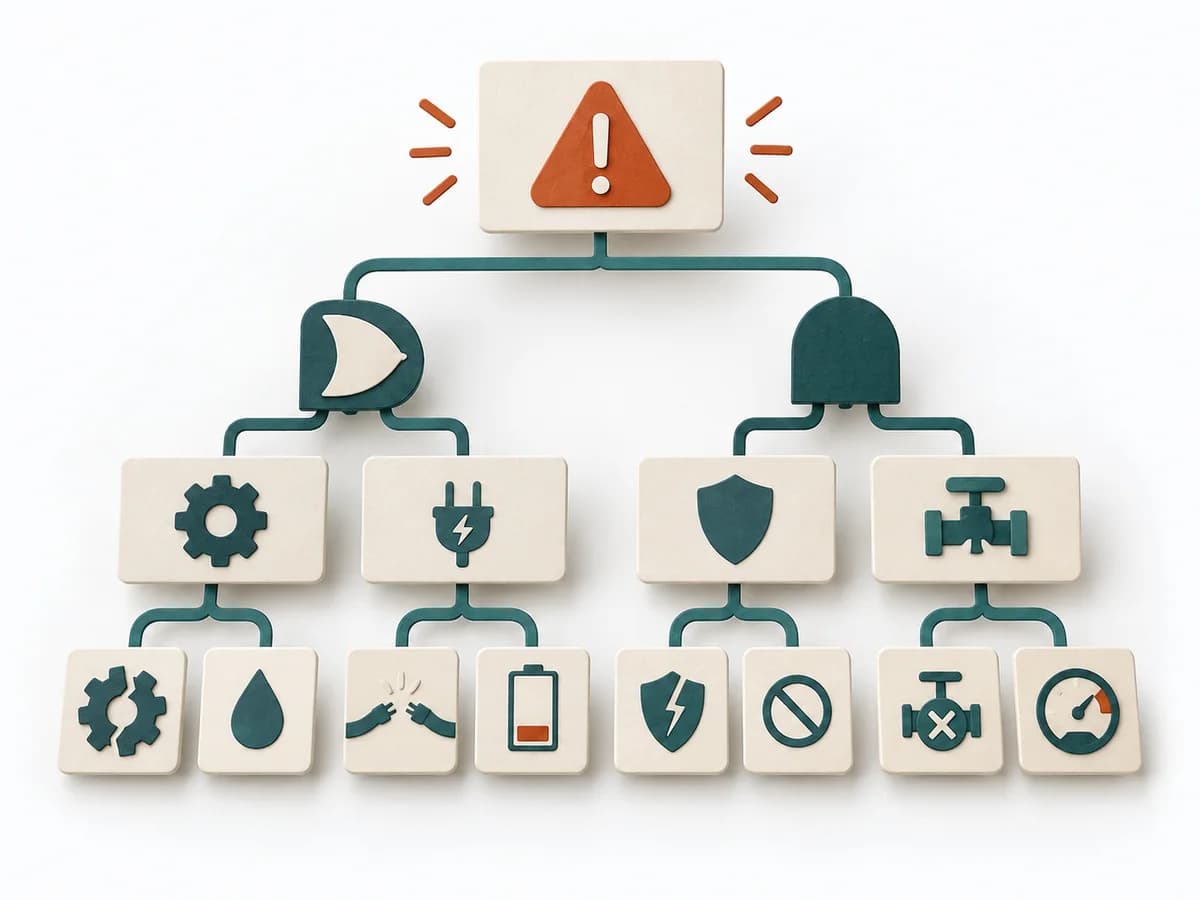 Operations Fault Tree Analysis | 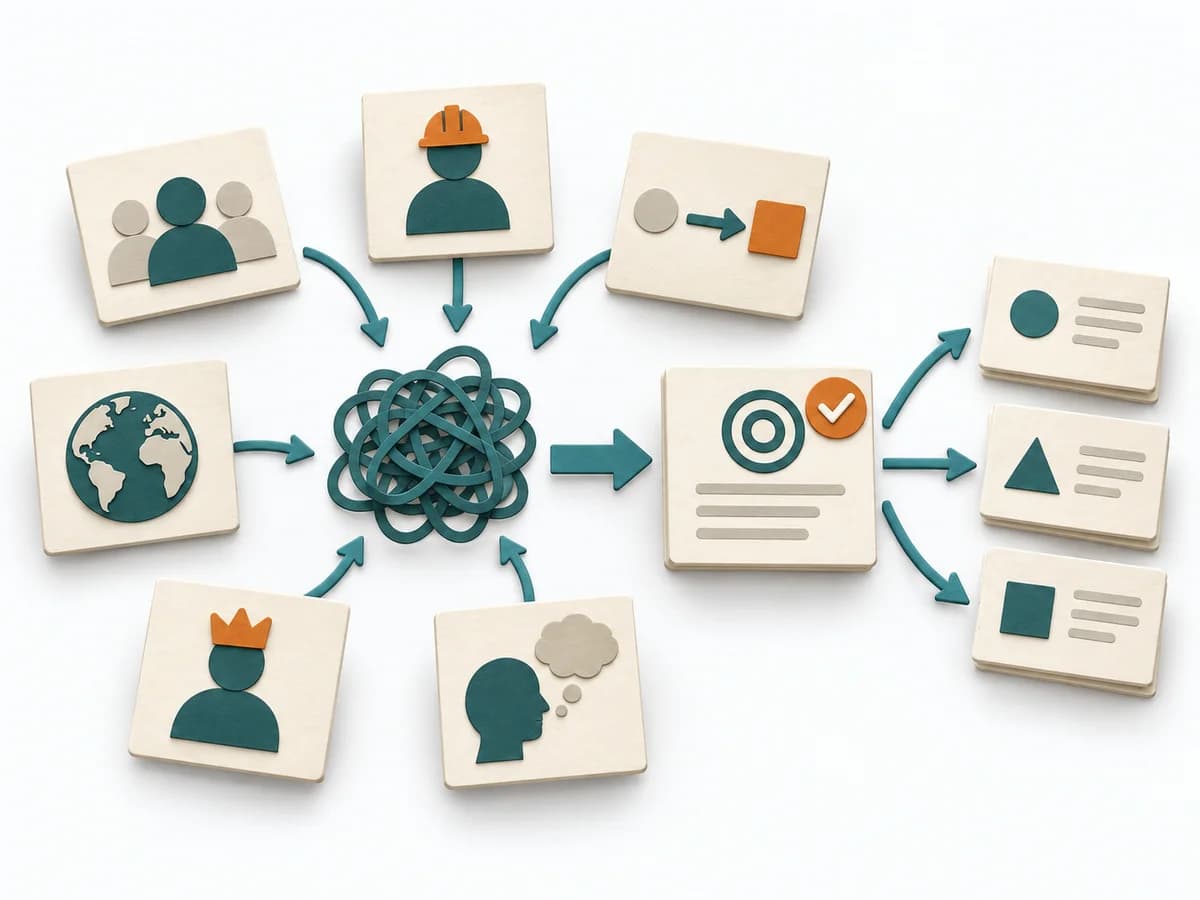 Systems Thinking CATWOE Analysis | 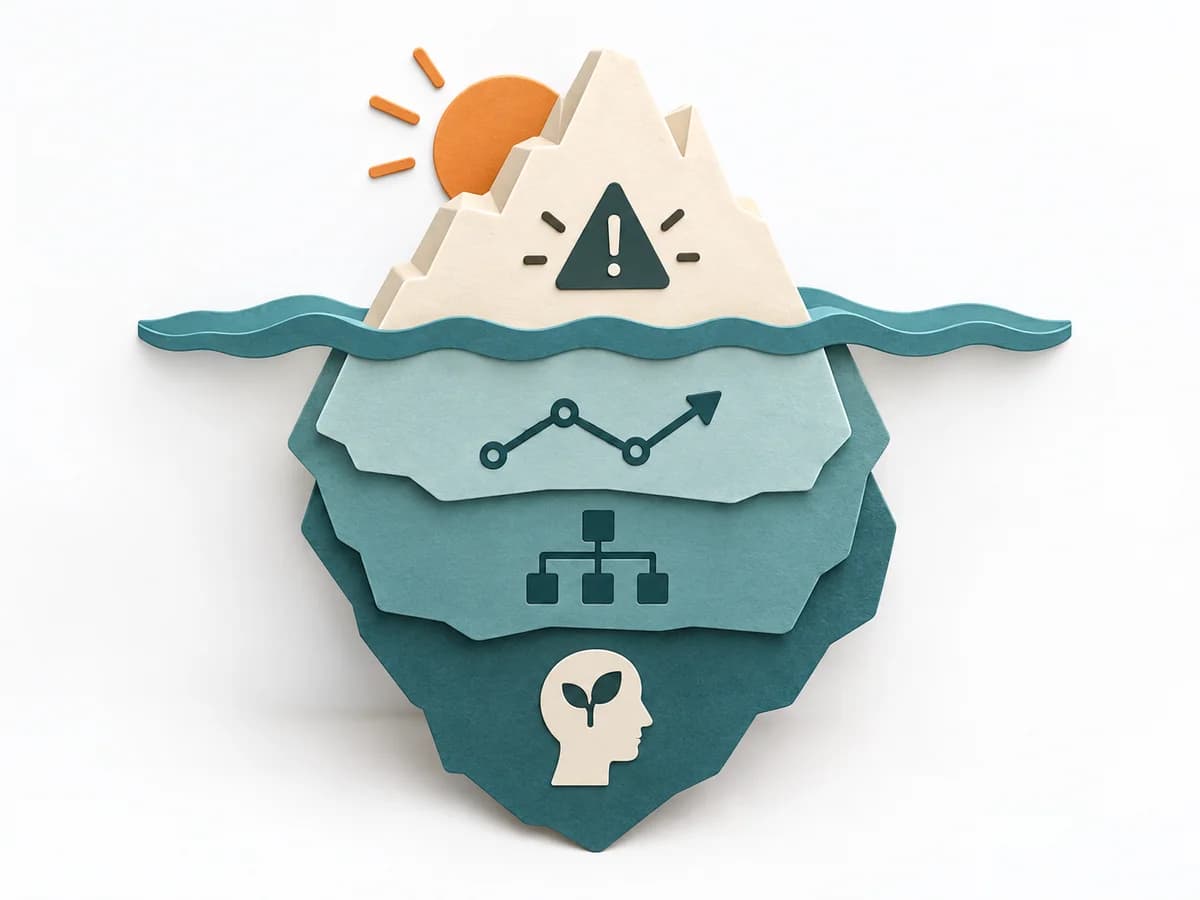 Systems Thinking Iceberg Model |
|---|---|---|---|---|
Purposedifferent | Helps clarify scope, sequence, and delivery flow in concrete terms. It makes work, boundaries, and order steerable. The result is captured as a RAID Log and a source for status reporting. | For a critical top event with several possible triggers, the method logically models failure paths. It makes visible which combinations of conditions can lead to damage. | CATWOE structures a problem from six viewpoints and prevents too narrow a view of the situation. Different experiences of the system become comparably discussable this way. | The Iceberg Model separates visible events from patterns, structures, and mental models. This turns a single observation into a deeper understanding of why a problem keeps recurring. |
Complexitydifferent | Low | High | Medium | Low |
Timedifferent | 30 min Setup, dann laufend | 2-6 h | 45-90 min | 30-60 min |
Participantsdifferent | 1-3 maintaining, briefing for everyone | 3-8 | 3-8 | 2-10 |
Formatdifferent | Async | Workshop + async | Workshop + async | Workshop + async |
Outputdifferent | RAID Log, Status Report Source | Fault Tree, Critical Paths, Cause Hypotheses, Control Actions | CATWOE Canvas, Root Definition, Stakeholder Perspectives, Constraints | Iceberg Worksheet, Pattern Notes, Intervention Ideas |
Tagsno overlap | RiskTrackingStakeholdersGovernance | RiskRoot causeSafety | Systems thinkingFramingStakeholders | Systems thinkingRoot causePatterns |