View methods side by side.
Choose up to four methods. Add them using the search and share the comparison by copying its link.
| Criterion | 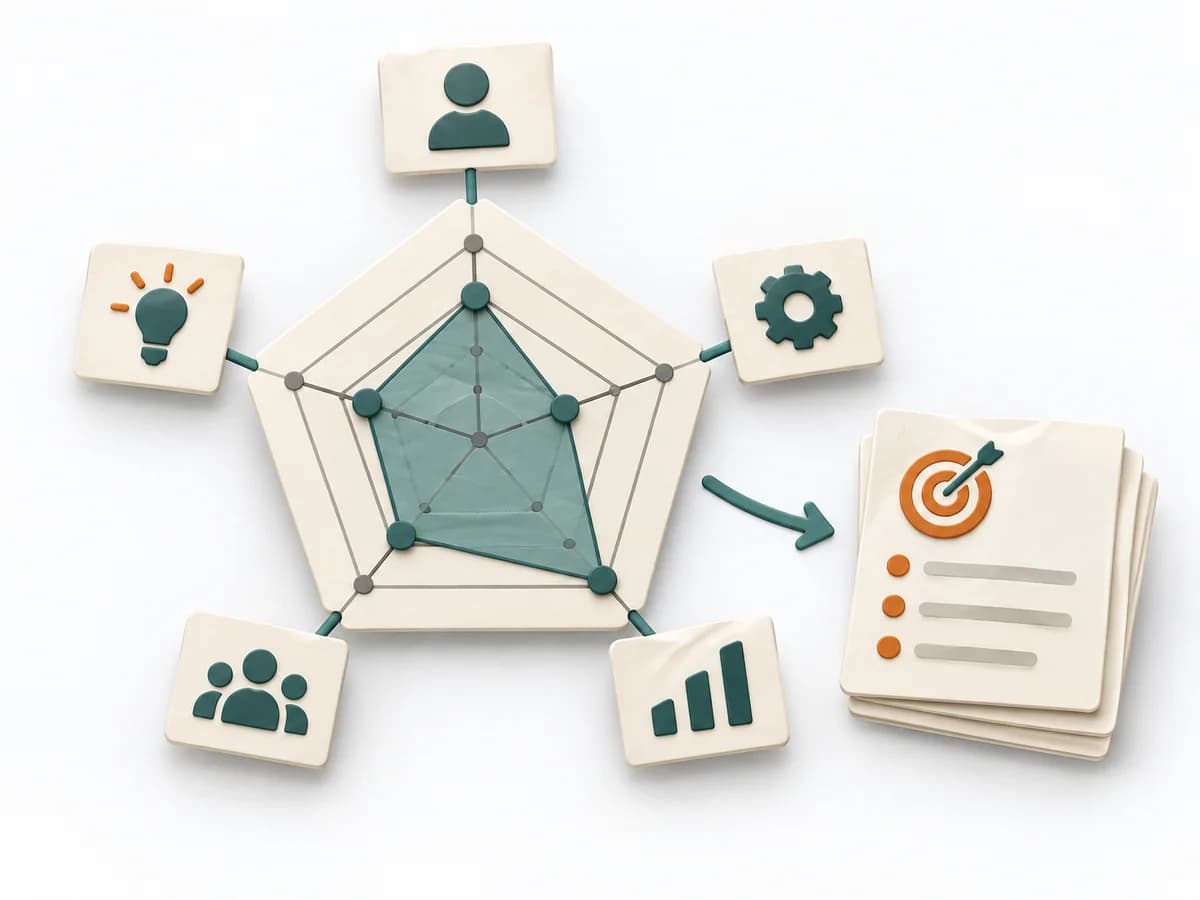 Decision Making Radar | 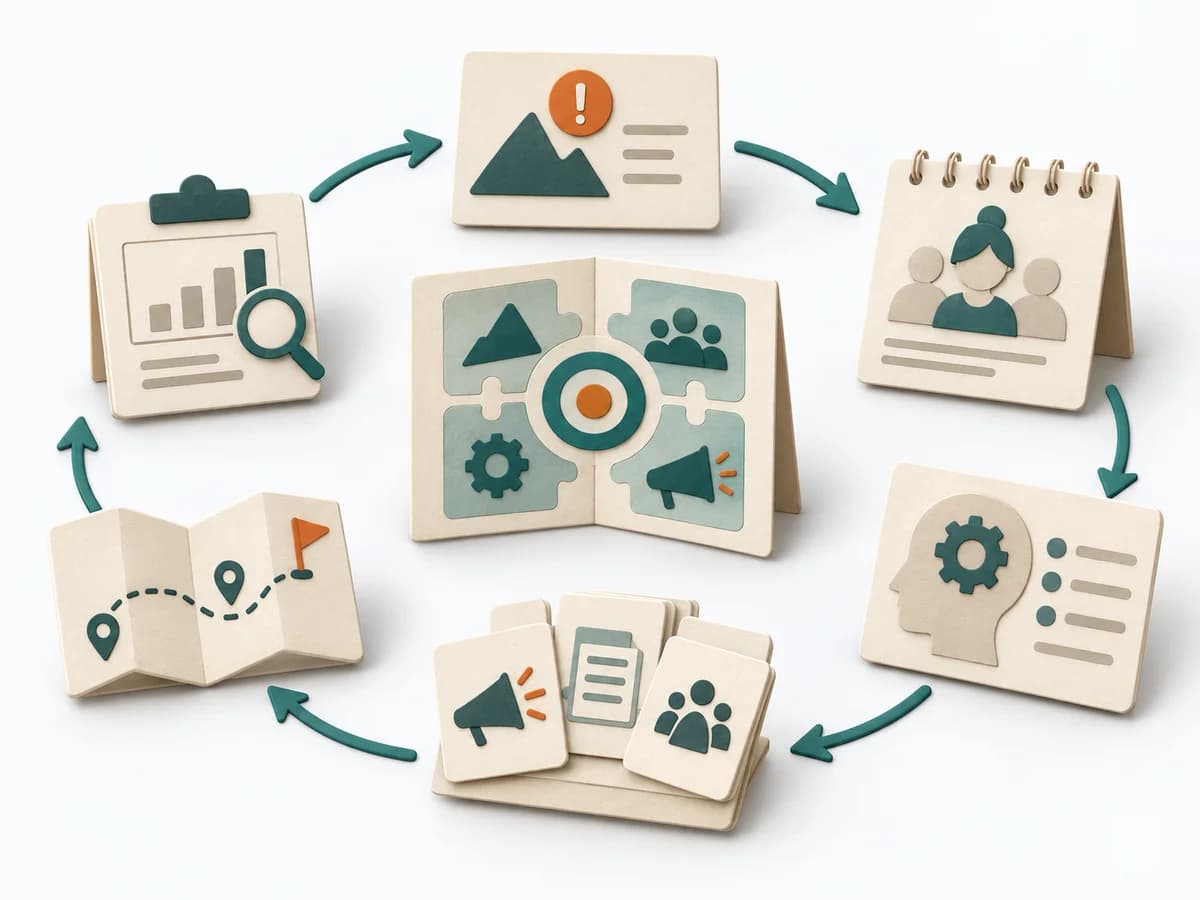 Systems Thinking Intervention Mapping |  Systems Thinking Iceberg Model | 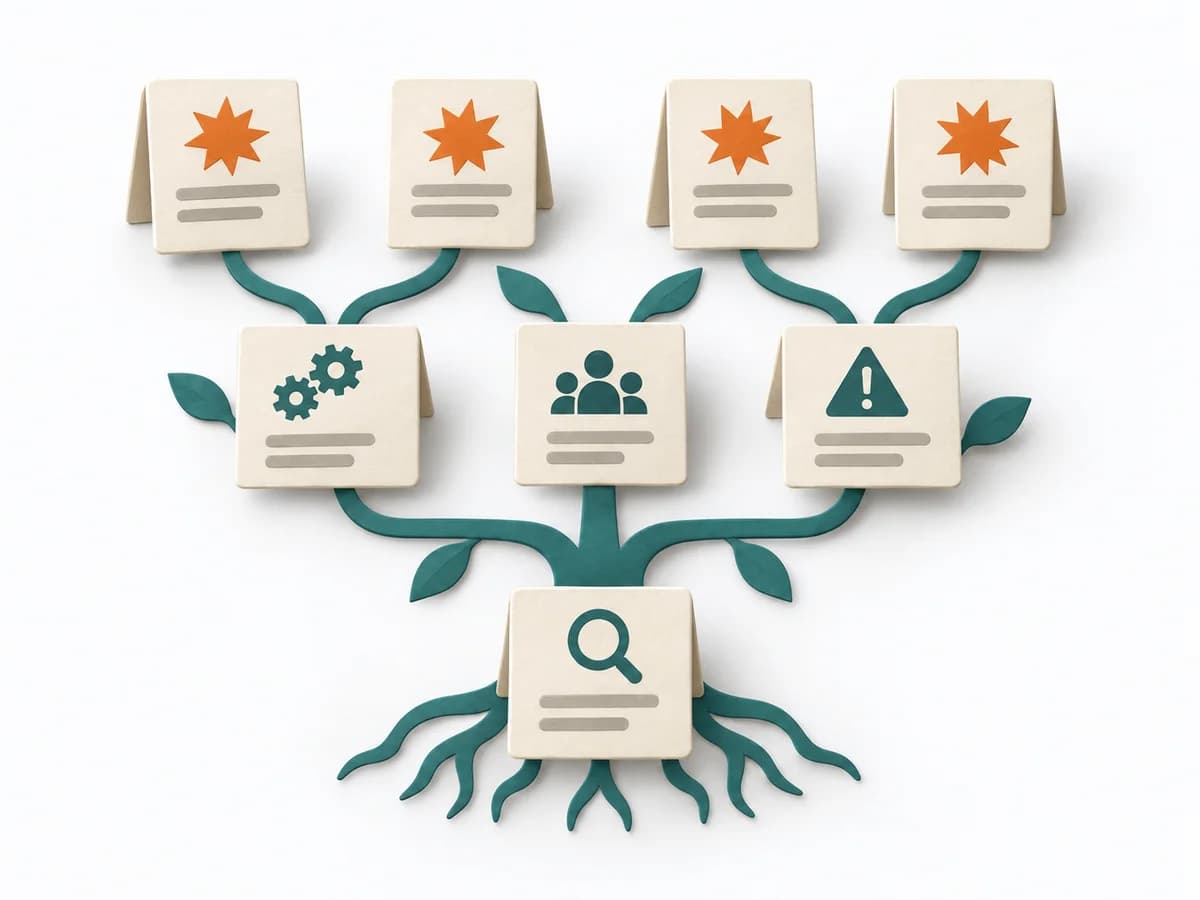 Operations Family Tree Analysis |
|---|---|---|---|---|
Purposedifferent | When capabilities, maturity levels, or market positions need to be compared across several dimensions, overview is easily lost. Radar brings different characteristics into a shared picture and shows patterns faster than tables do. | Intervention Mapping translates a need for change into a planned, evaluable program. The method connects target group, determinants, actions, and measurement into a traceable chain. | The Iceberg Model separates visible events from patterns, structures, and mental models. This turns a single observation into a deeper understanding of why a problem keeps recurring. | For a series of incidents with a similar pattern, the method arranges individual events as branches of a common origin. It makes visible which conditions keep recurring. |
Complexitydifferent | Medium | High | Low | Medium |
Timedifferent | 1-2 h | 1-5 Tage | 30-60 min | 2-4 h |
Participantsdifferent | 2-10 | 4-12 | 2-10 | 2-6 |
Formatsame | Workshop + async | Workshop + async | Workshop + async | Workshop + async |
Outputdifferent | Radar Map, Capability Scores, Action Areas | Logic Model, Change Objectives, Intervention Components, Evaluation Plan | Iceberg Worksheet, Pattern Notes, Intervention Ideas | Family Tree Diagram, Pattern Notes, Systemic Measures |
Tagsno overlap | AssessmentPortfolioCapability | ChangeSystems thinkingCapability | Systems thinkingRoot causePatterns | Root causePatternsIncidentSystemic |