View methods side by side.
Choose up to four methods. Add them using the search and share the comparison by copying its link.
| Criterion | 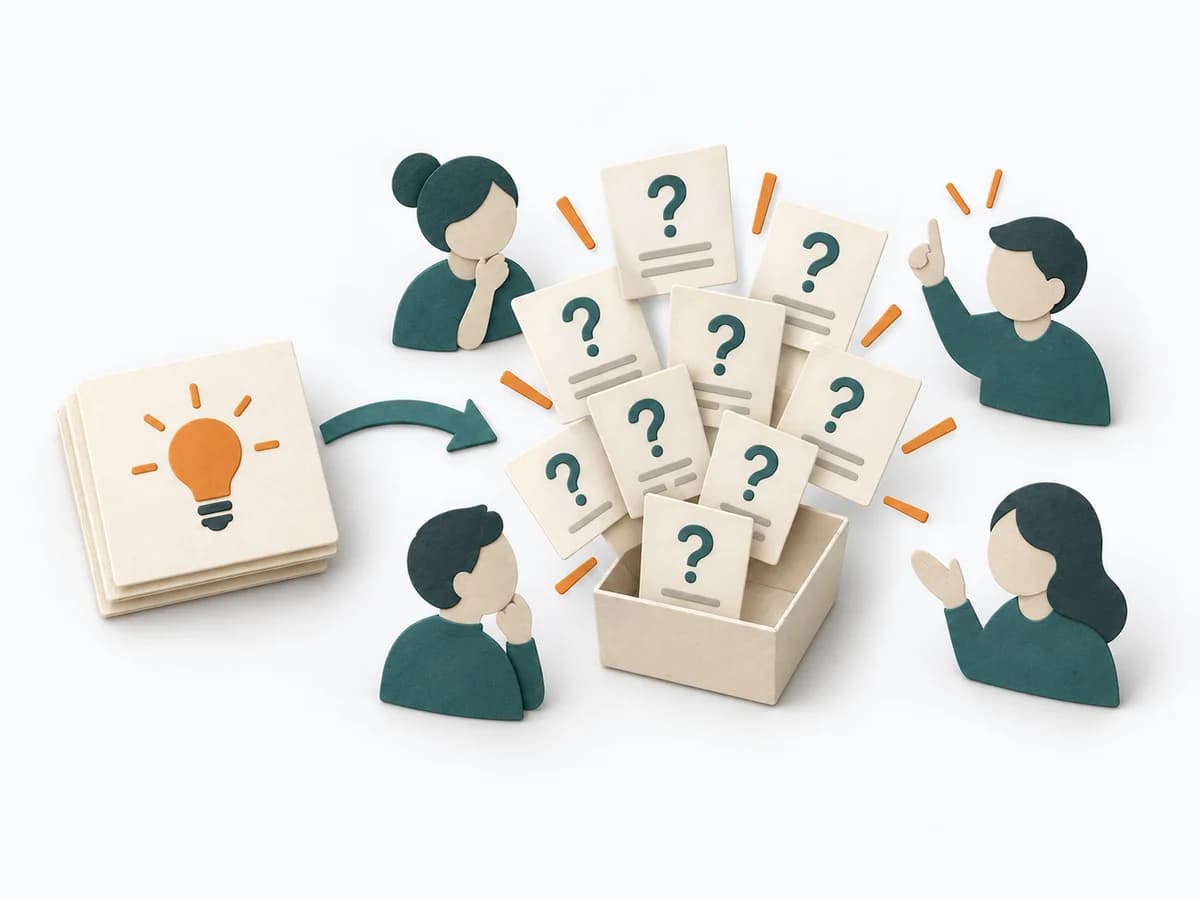 Facilitation Question Burst | 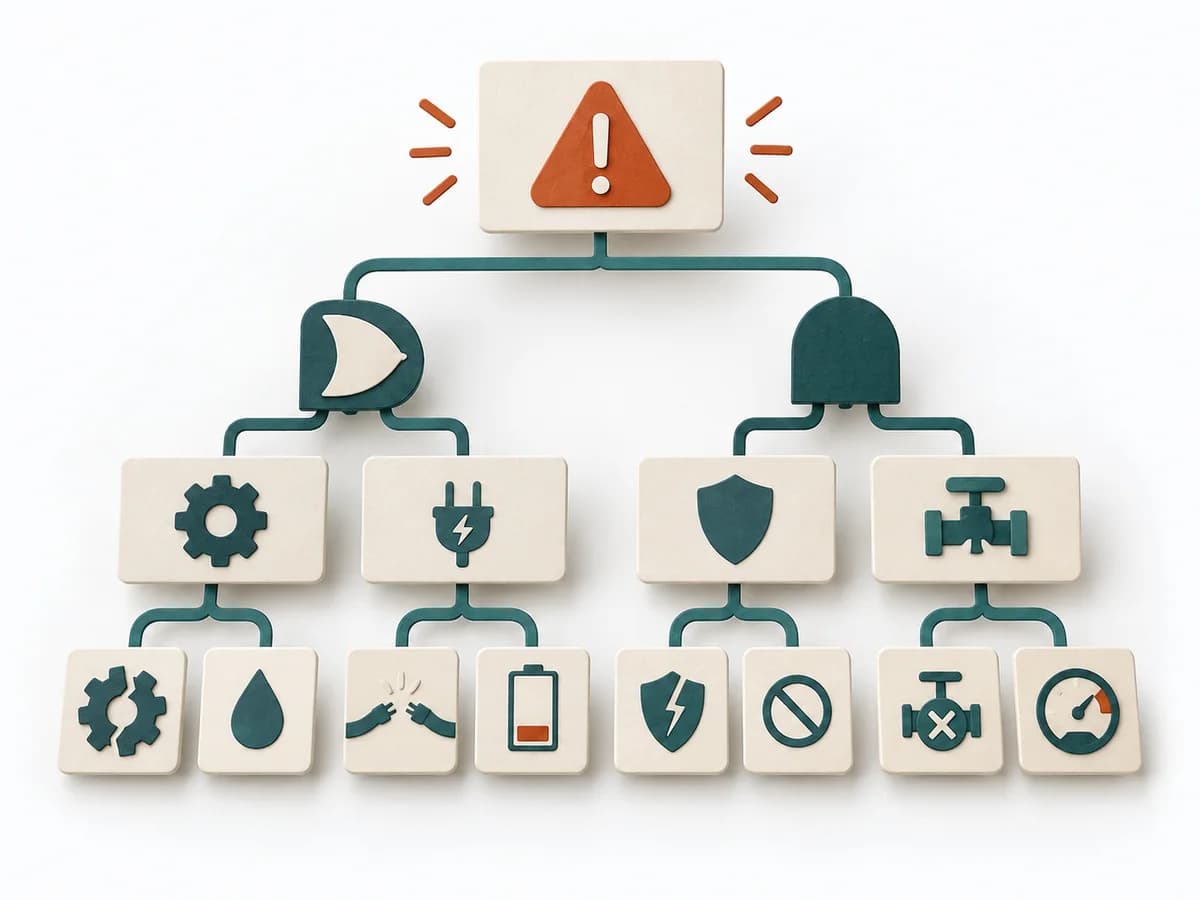 Operations Fault Tree Analysis | 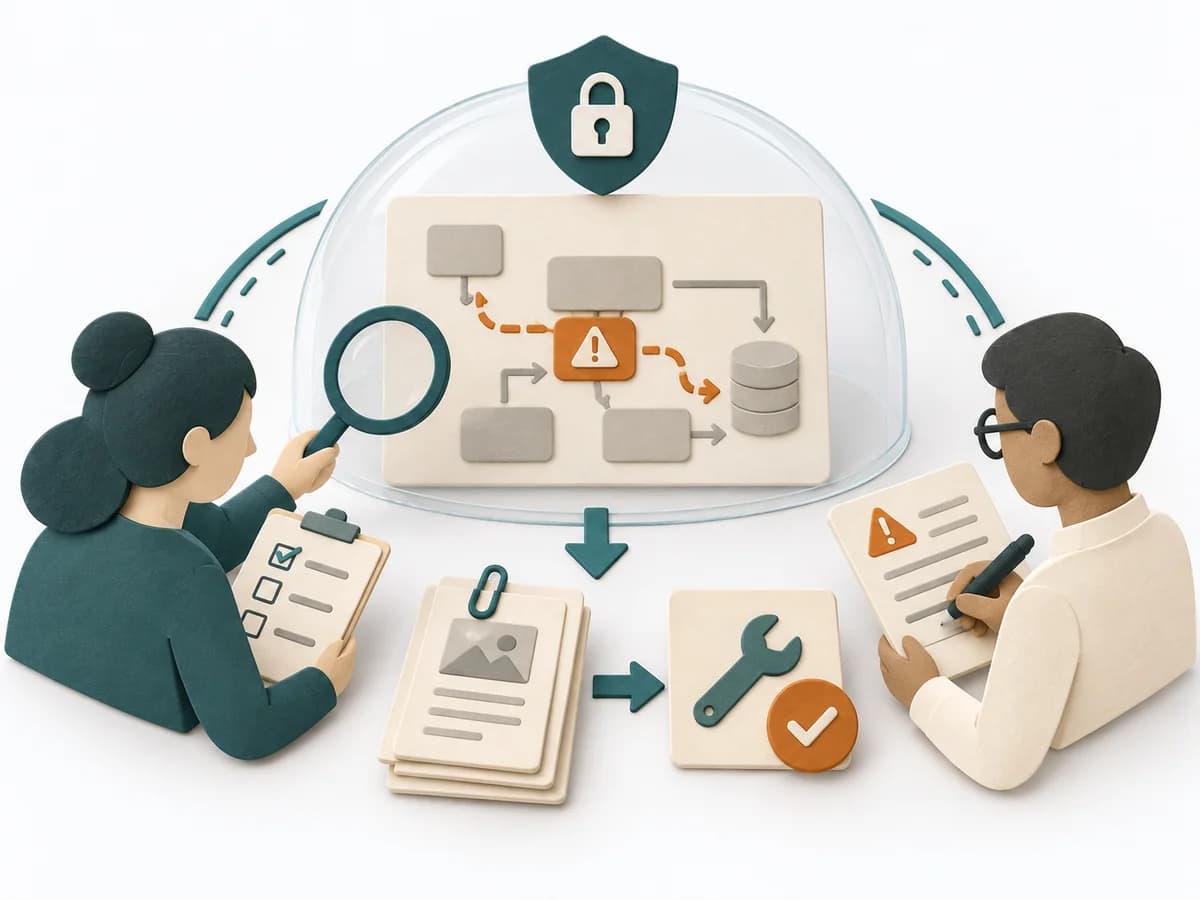 Decision Making Red Teaming |  Decision Making Argument Mapping |
|---|---|---|---|---|
Purposedifferent | When a problem gets covered up too quickly with answers, Question Burst puts the better question at the center. The format opens the thinking space before the group commits to an interpretation. | For a critical top event with several possible triggers, the method logically models failure paths. It makes visible which combinations of conditions can lead to damage. | For strategic decisions with high reach, agreement and gut feeling are often not enough. Red teaming brings deliberate opposition into the situation and tests where a plan breaks under real counterarguments. | When statements, evidence, and counterarguments get mixed up, a debate quickly loses its structure. Argument Mapping breaks a thesis down into its reasoning and makes visible what it really rests on. |
Complexitydifferent | Low | High | High | Medium |
Timedifferent | 15-30 min | 2-6 h | 1-4 h | 1-3 h |
Participantsdifferent | 2-8 | 3-8 | 3-8 | 1-8 |
Formatdifferent | Workshop | Workshop + async | Workshop | Workshop + async |
Outputdifferent | Question List, Reframed Challenge, Learning Prompts | Fault Tree, Critical Paths, Cause Hypotheses, Control Actions | Challenge Findings, Risk Register, Mitigation Plan | Argument Map, Evidence Gaps, Decision Rationale |
Tagsno overlap | QuestionsReframingFacilitationSensemaking | RiskRoot causeSafety | RiskDecisionSensemaking | SensemakingDecisionRationale |