View methods side by side.
Choose up to four methods. Add them using the search and share the comparison by copying its link.
| Criterion | 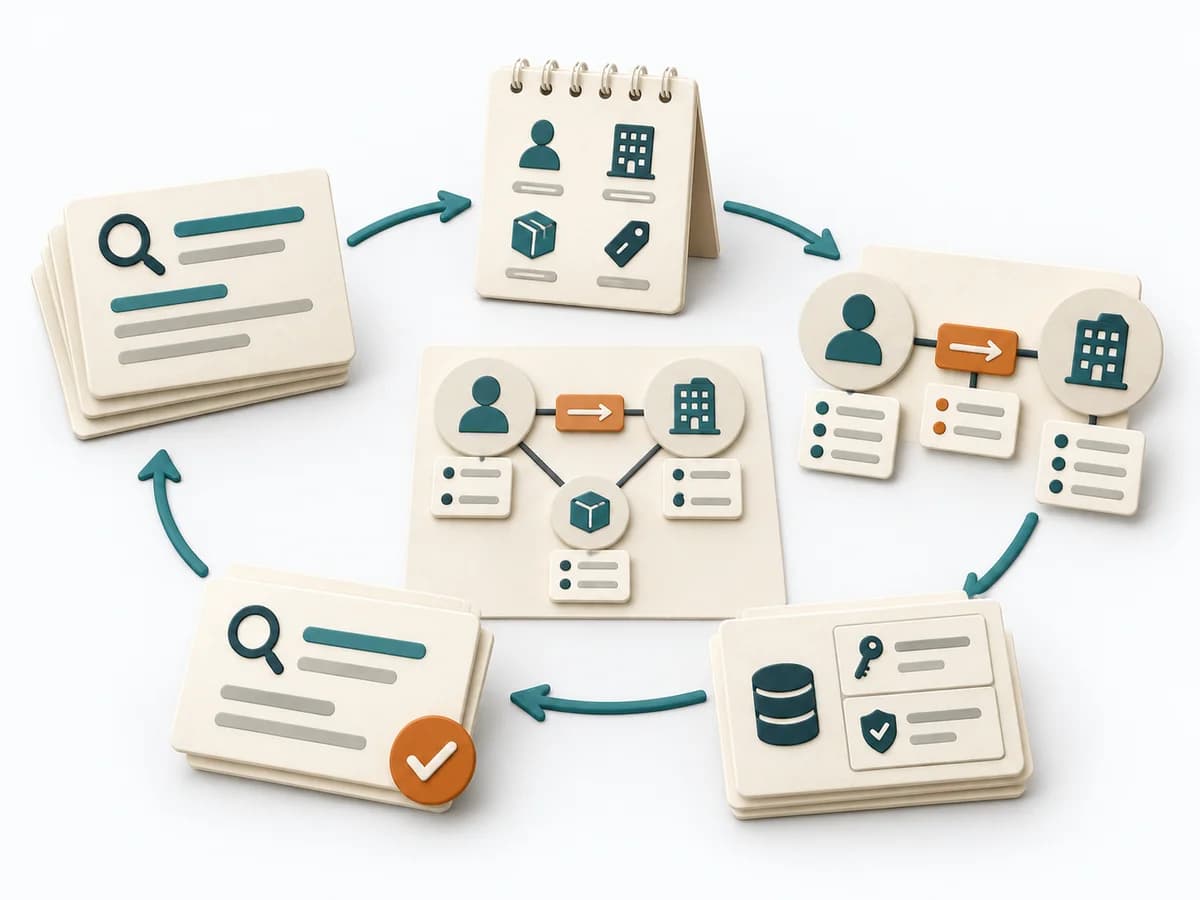 Knowledge Modeling Property Graph Schema Design | 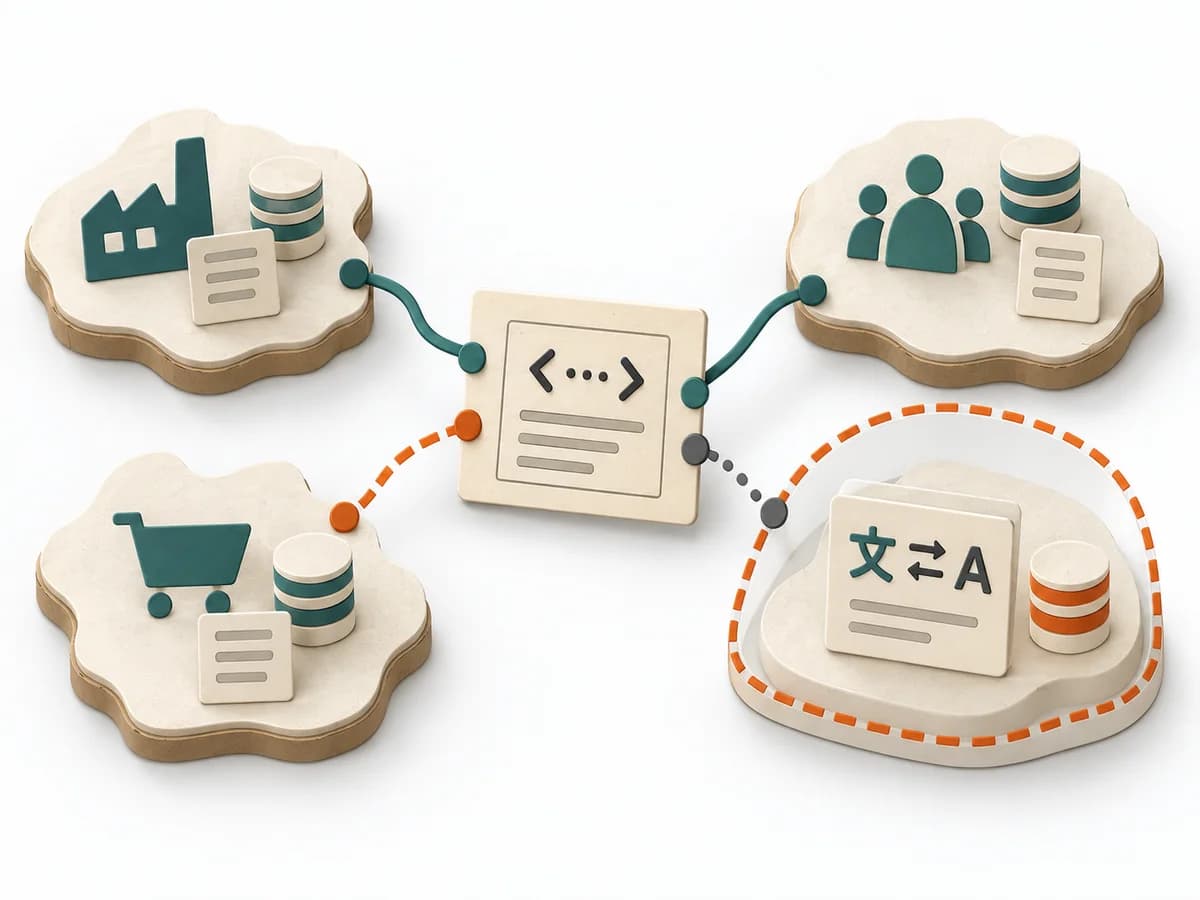 Domain Modeling Context Map | 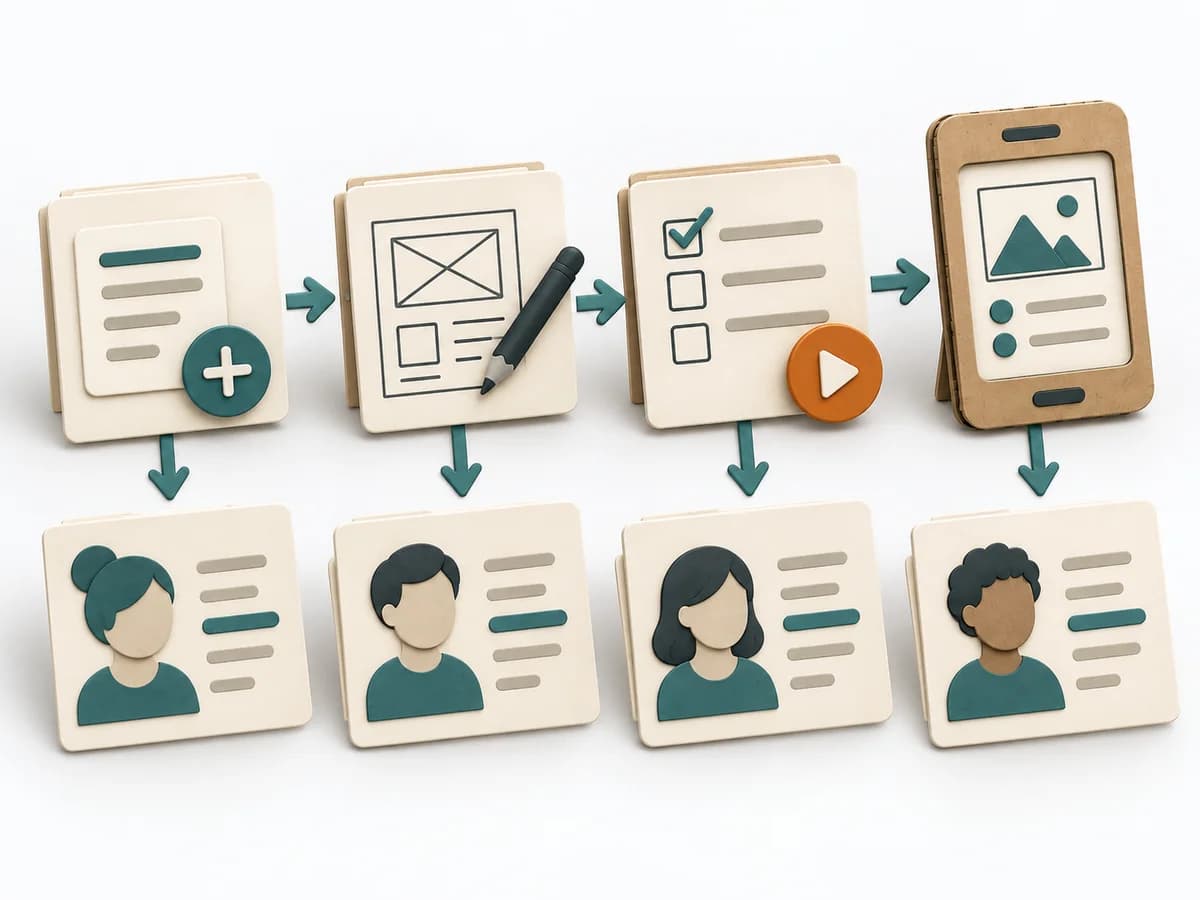 Knowledge Modeling Event Modeling | 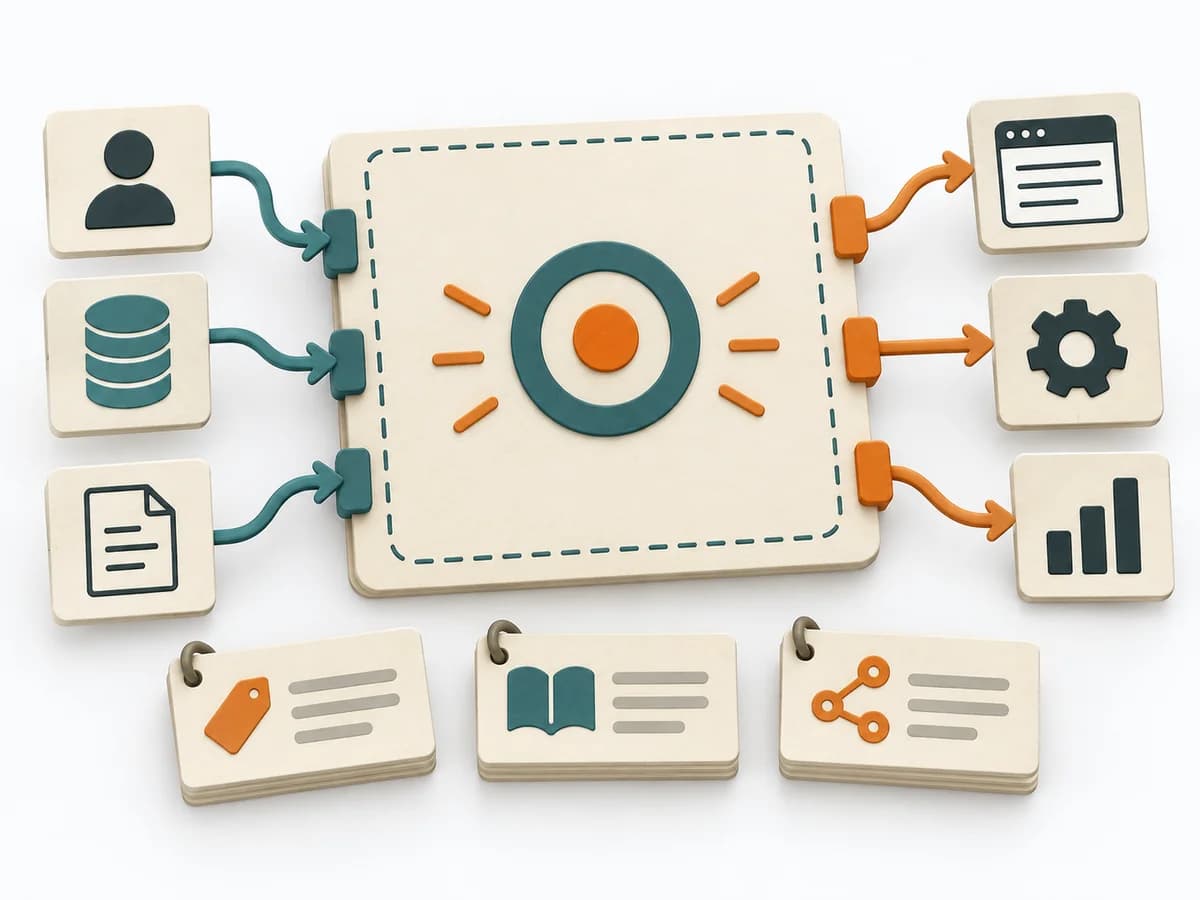 Domain Modeling Bounded Context Canvas |
|---|---|---|---|---|
Purposedifferent | Property Graph Schema Design turns business and technical requirements into a robust graph schema. It fits when query patterns, constraints, and migrations need to be thought about together. | When several contexts need to talk to each other, it makes their relationships and dependencies legible. It helps sort integration pressure and responsibilities across system boundaries. | Event Modeling connects business workflows with commands, events, and views into one coherent mental model. It helps design behavior, UI, and technical slices from the same underlying logic. | When a business context is still loosely outlined, it shapes language, responsibility, and integration space. It clarifies what belongs together and where a boundary needs to hold. |
Complexitysame | Medium | Medium | Medium | Medium |
Timedifferent | 4-8 h initial, dann iterativ | 1-3 h | 2-6 h | 1-3 h |
Participantsdifferent | 1-6 | 2-8 | 2-8 | 3-8 |
Formatsame | Workshop + async | Workshop + async | Workshop + async | Workshop + async |
Outputdifferent | Schema Diagram, Node and Relationship Catalog, Index Plan, Migration Scripts, Sample Queries | Context Map, Integration Patterns, Boundary Notes | Event Model, UI Flow, Commands, Read Models | Context Canvas, Glossary, Integration Notes |
Tagsno overlap | Knowledge graphModelingSemantic | Domain-Driven DesignBoundariesStrategy | EventsBlueprintDomain-Driven DesignBehavior | Domain-Driven DesignBoundariesModeling |