View methods side by side.
Choose up to four methods. Add them using the search and share the comparison by copying its link.
| Criterion | 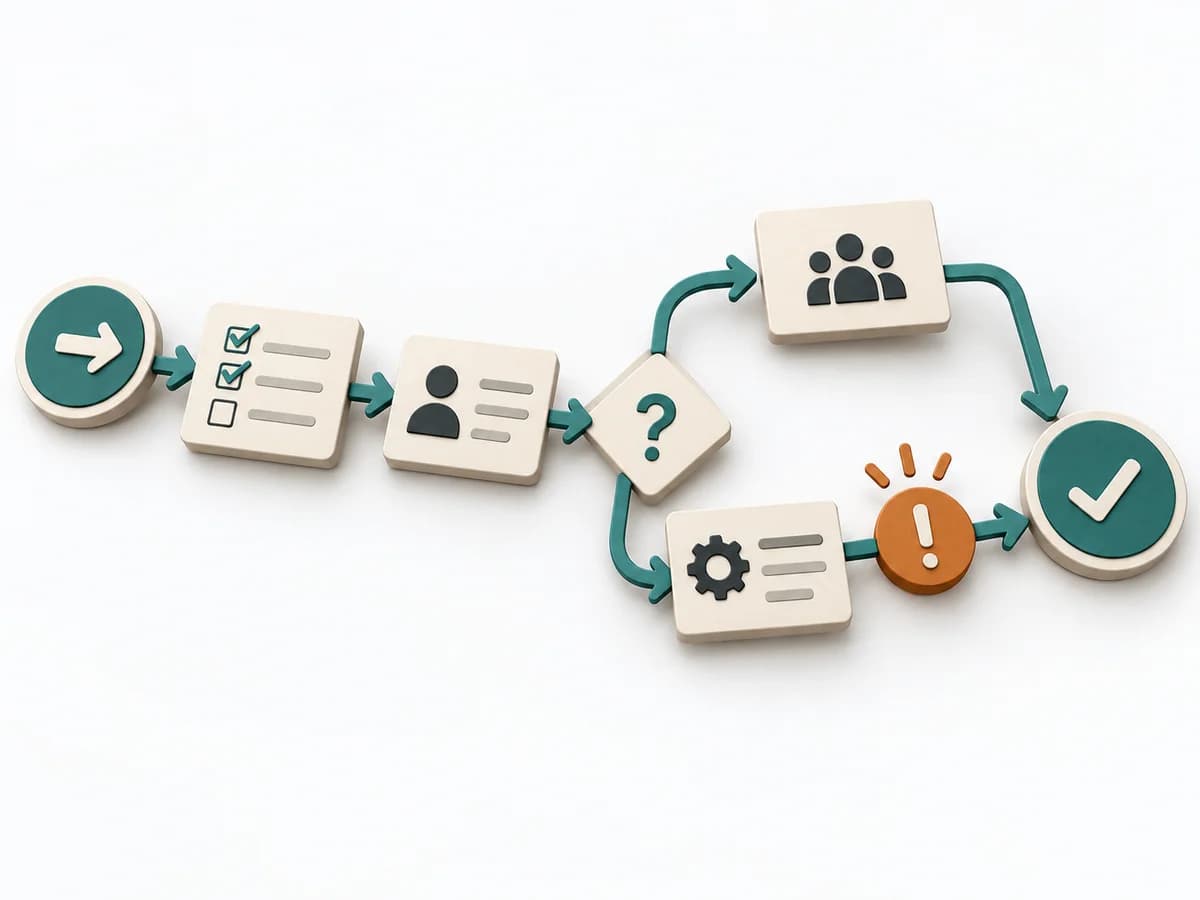 Operations Process Mapping | 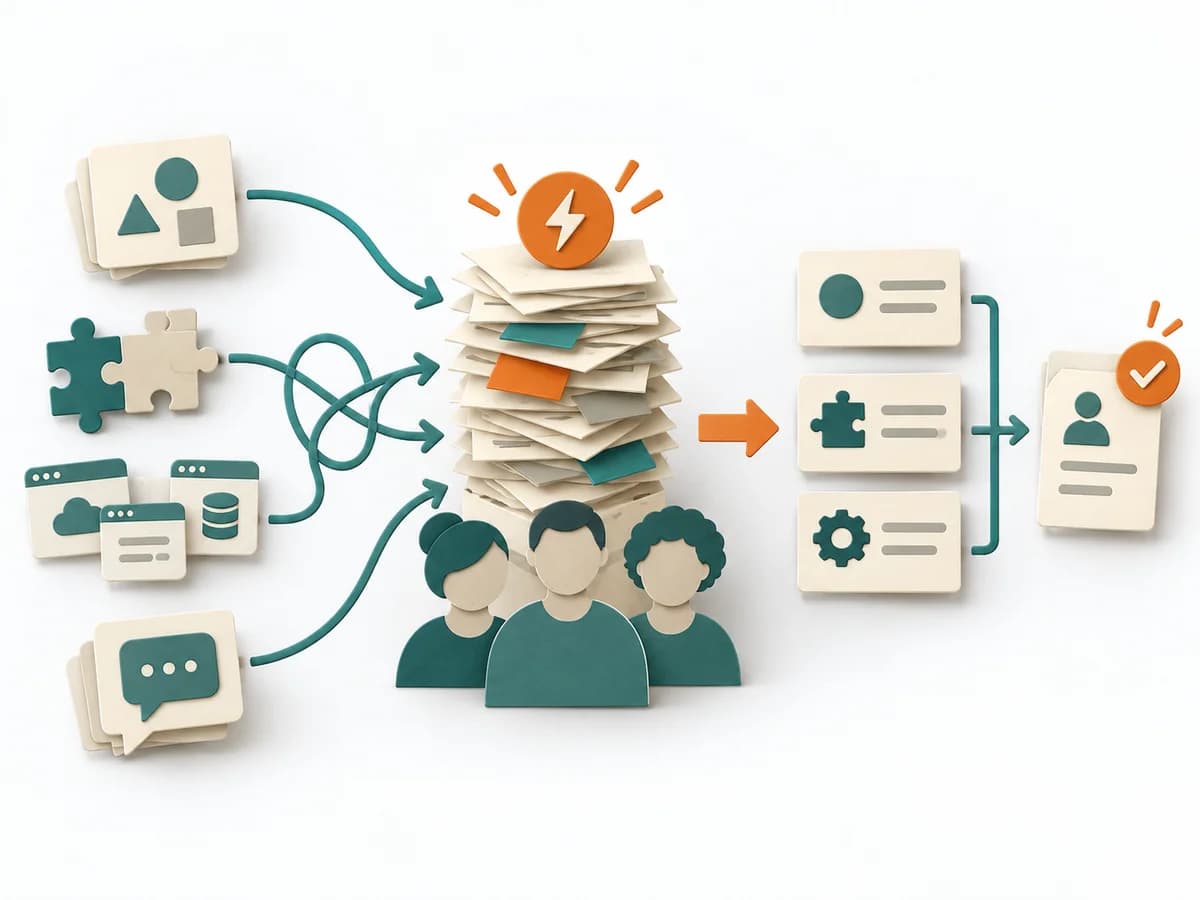 Team Design Team Cognitive Load Assessment |  Facilitation Stakeholder Mapping | 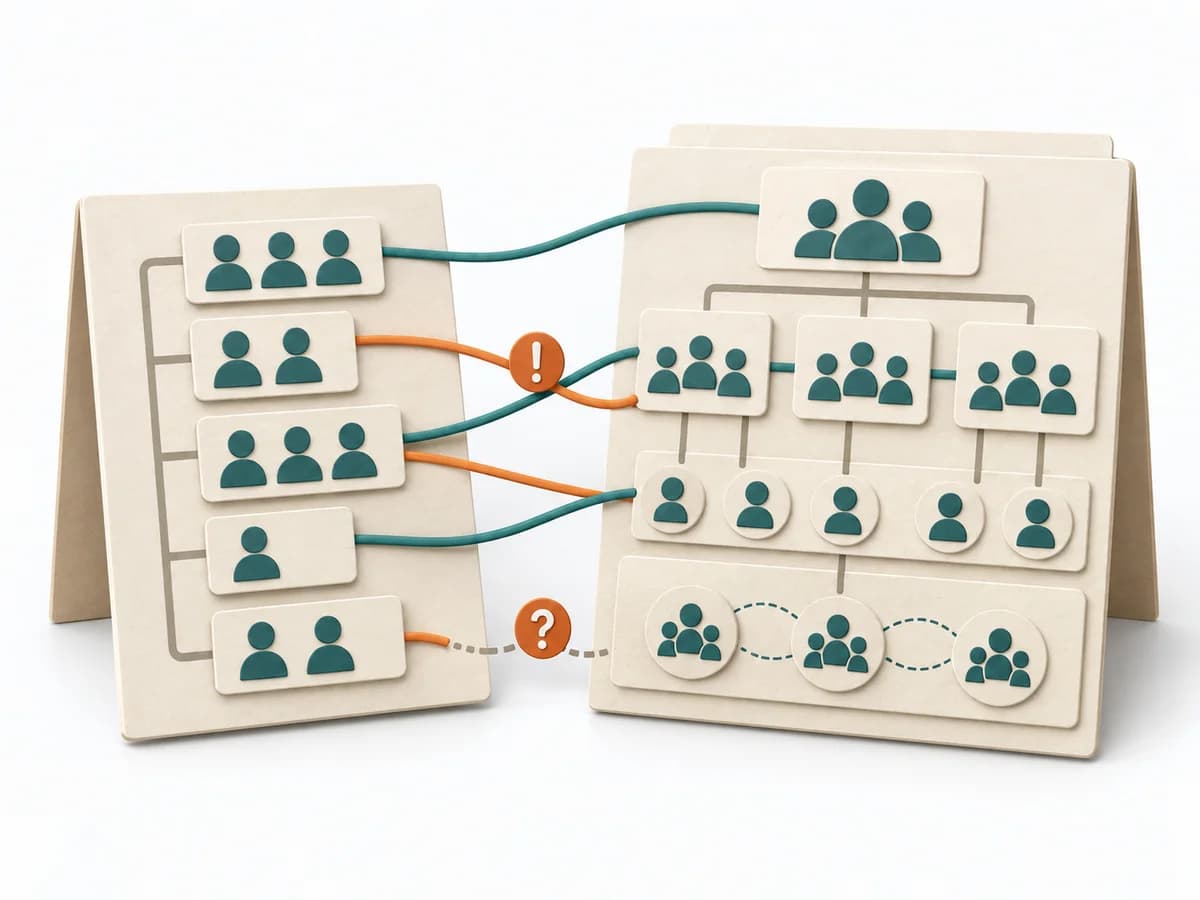 Team Design Spotify Model Mapping |
|---|---|---|---|---|
Purposedifferent | With a confusing workflow that has many handoffs, the method makes the actual process visible. It shows where work is passed on, delayed, or duplicated, so improvement targets the right spots. | When a team juggles too many domains, systems, or handoffs, it measures mental overload as an organizational problem. It clarifies responsibility, interaction, and load between teams. The result is captured as a cognitive-load profile and action list. | When an initiative depends on many people, interests, and power dynamics, Stakeholder Mapping systematically orders the environment. It shows who influences, who is affected, and where relationship management or safeguarding matters first. | When a team landscape has grown without clear grouping, it maps roles and relationships onto the Spotify model. It clarifies responsibility, interaction, and load between teams. The result is captured as a Spotify model map and action list. |
Complexitydifferent | Medium | Medium | Low | Medium |
Timedifferent | 1-3 h | 60-90 min | 60–90 min | 90-180 min |
Participantsdifferent | 3-10 | 3-12 | 2-8 | 5-15 |
Formatdifferent | Workshop | Workshop + async | Workshop + async | Workshop |
Outputdifferent | Process Map, Handoff List, Improvement Backlog | Cognitive Load Profile, Action List | Stakeholder Map, Engagement Plan, Risk Notes | Spotify Model Map, Action List |
Tagsno overlap | ProcessOperationsImprovement | TeamComplexityImprovementDiagnosis | StakeholdersAlignmentFacilitationChange | TeamOrganizationAlignmentDiagnosis |