View methods side by side.
Choose up to four methods. Add them using the search and share the comparison by copying its link.
| Criterion | 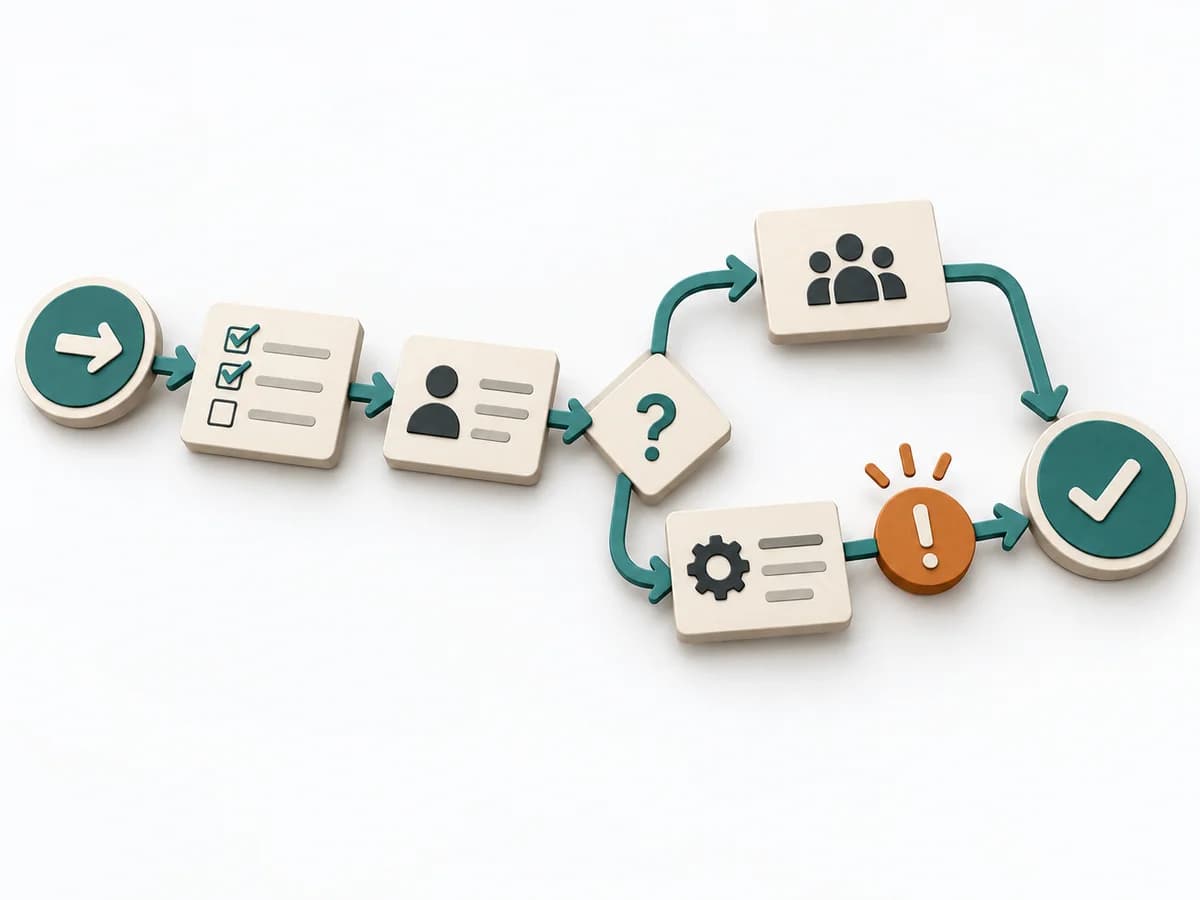 Operations Process Mapping | 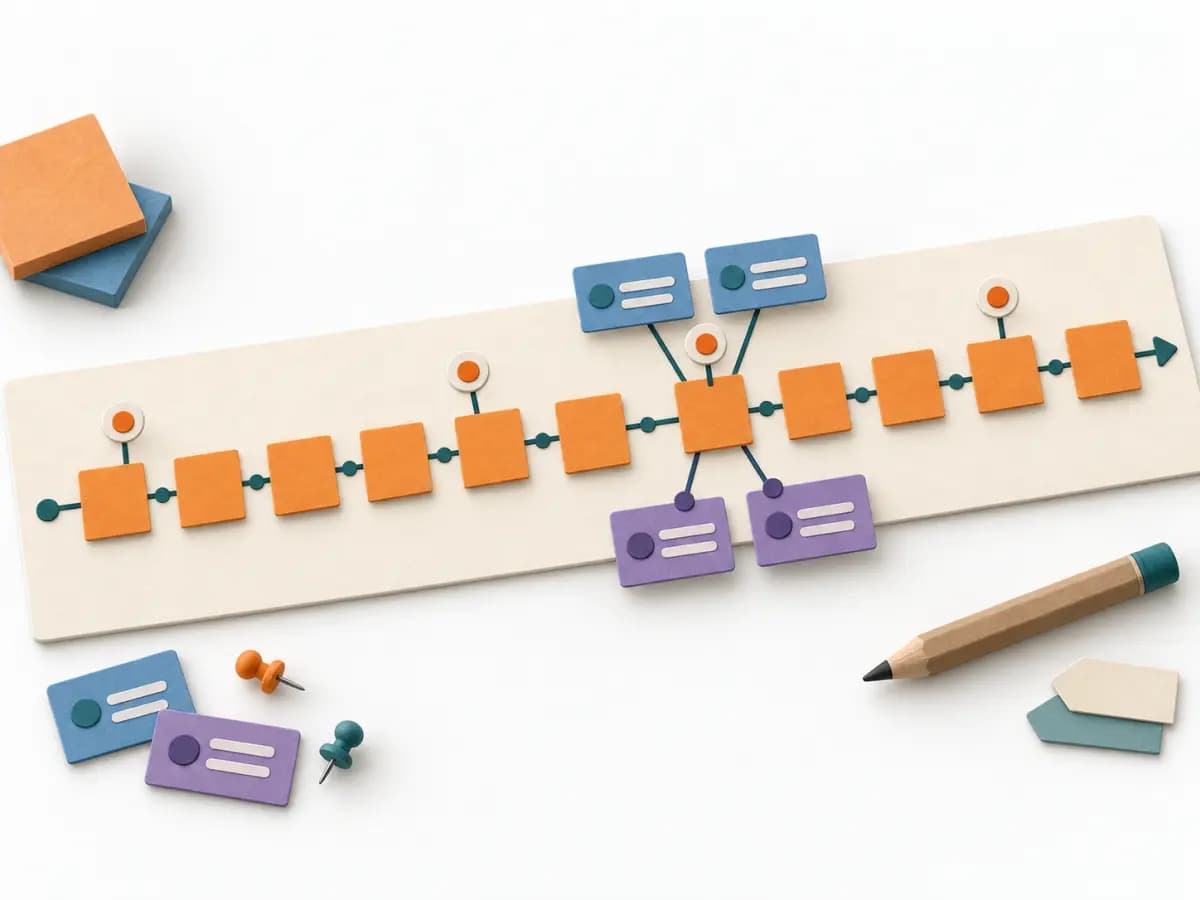 Domain Modeling EventStorming | 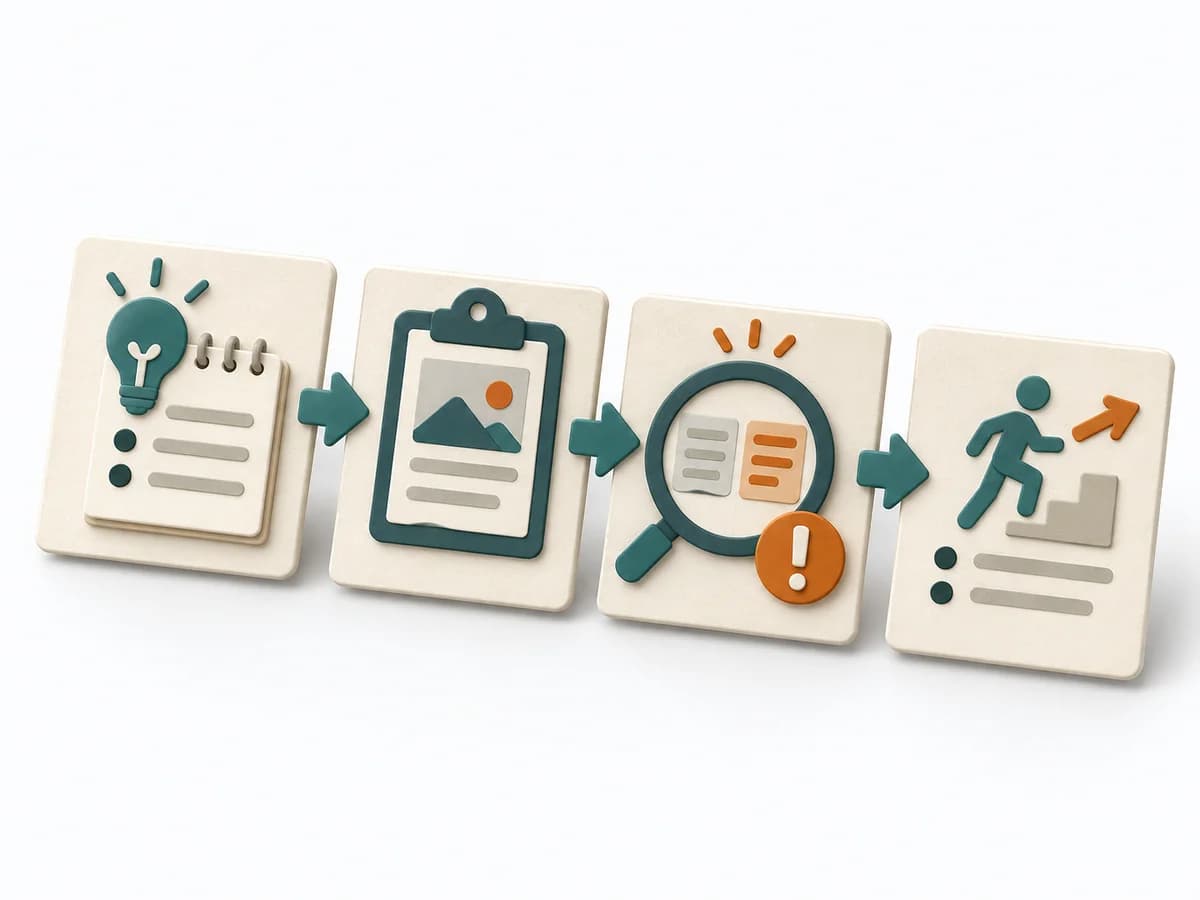 Operations After-Action Review | 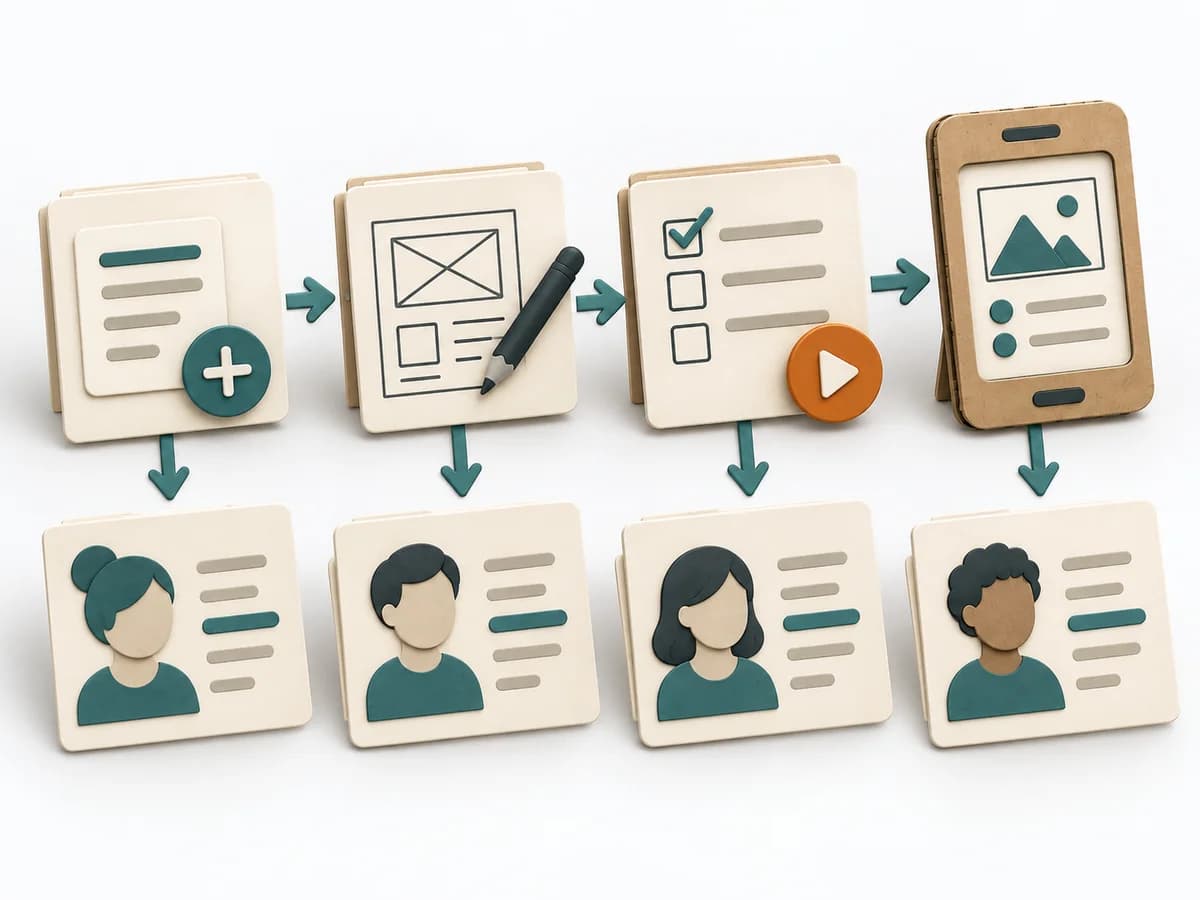 Knowledge Modeling Event Modeling |
|---|---|---|---|---|
Purposedifferent | With a confusing workflow that has many handoffs, the method makes the actual process visible. It shows where work is passed on, delayed, or duplicated, so improvement targets the right spots. | When a domain consists of many events, rules, and states, it creates a shared modeling space for the team. It bundles language, flows, and boundaries before domain knowledge fragments into siloed views. | After missions or project phases with unclear outcomes, the method makes visible what actually happened and what can be learned from it. It separates course, effect, and causes so experience turns into solid improvement. | Event Modeling connects business workflows with commands, events, and views into one coherent mental model. It helps design behavior, UI, and technical slices from the same underlying logic. |
Complexitydifferent | Medium | Medium | Low | Medium |
Timedifferent | 1-3 h | 2-8 h | 20-45 min | 2-6 h |
Participantsdifferent | 3-10 | 5-12 | 3-12 | 2-8 |
Formatdifferent | Workshop | Workshop | Workshop + async | Workshop + async |
Outputdifferent | Process Map, Handoff List, Improvement Backlog | Event Timeline, Ubiquitous Language, Boundaries, Open Questions | Lessons learned, Action items, Event summary | Event Model, UI Flow, Commands, Read Models |
Tagsno overlap | ProcessOperationsImprovement | Domain-Driven DesignEventsDiscoveryWorkshop | LearningOperationsImprovement | EventsBlueprintDomain-Driven DesignBehavior |