View methods side by side.
Choose up to four methods. Add them using the search and share the comparison by copying its link.
| Criterion | 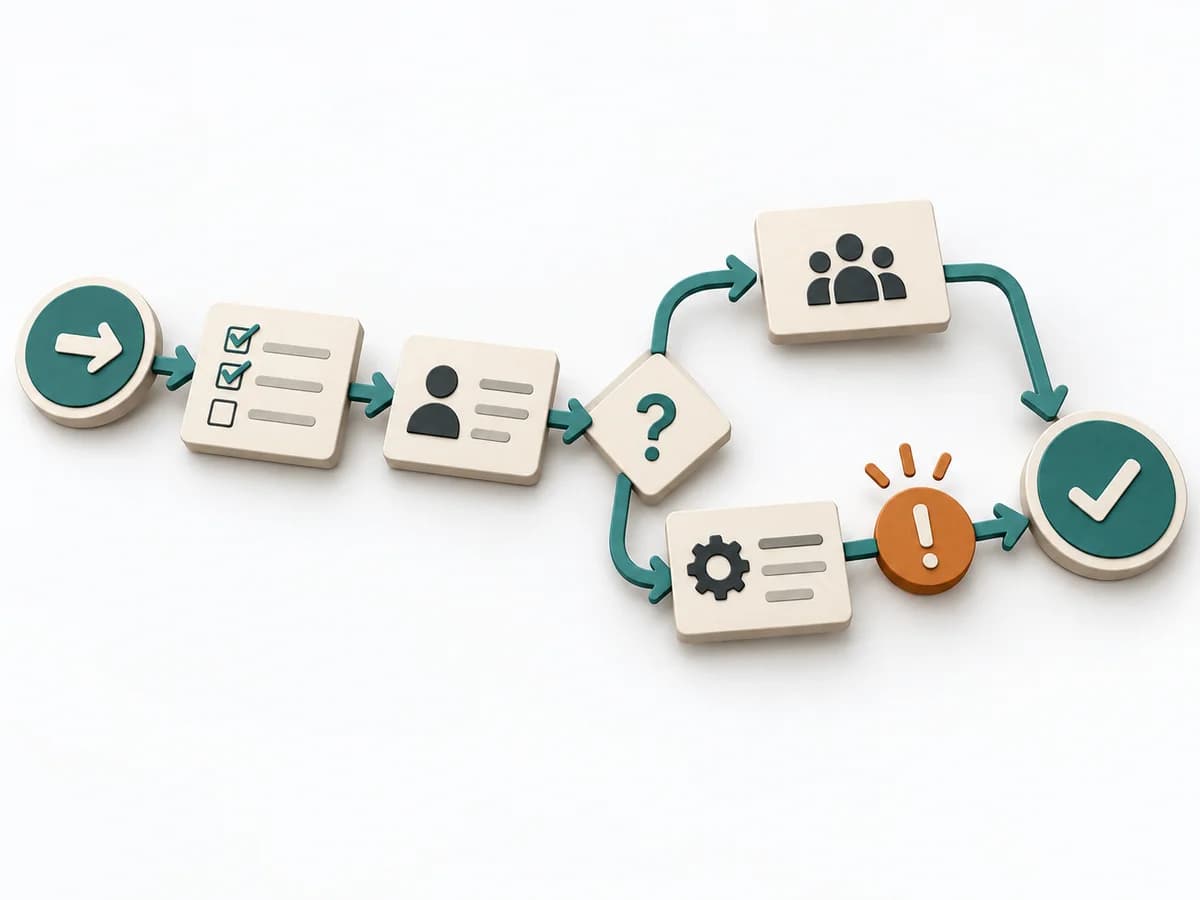 Operations Process Mapping | 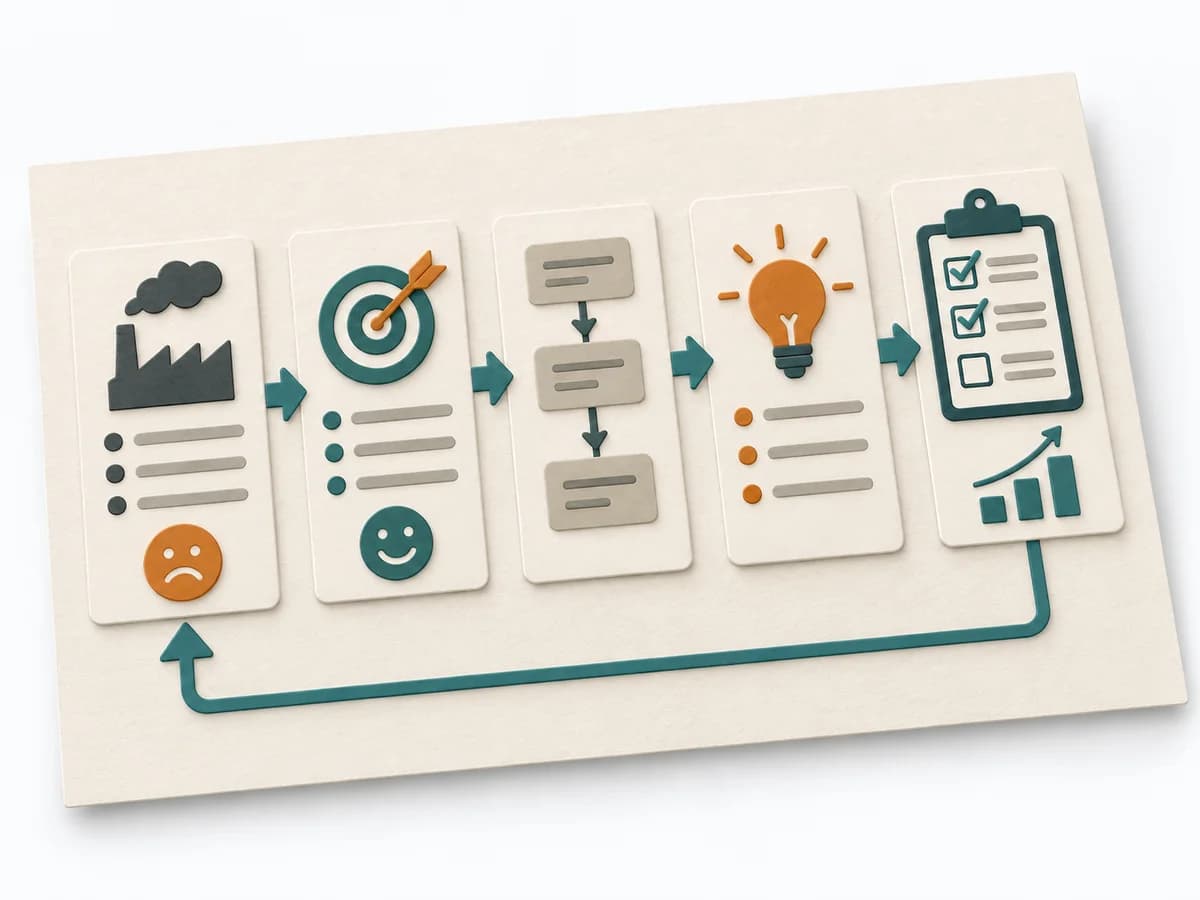 Operations A3 Problem Solving | 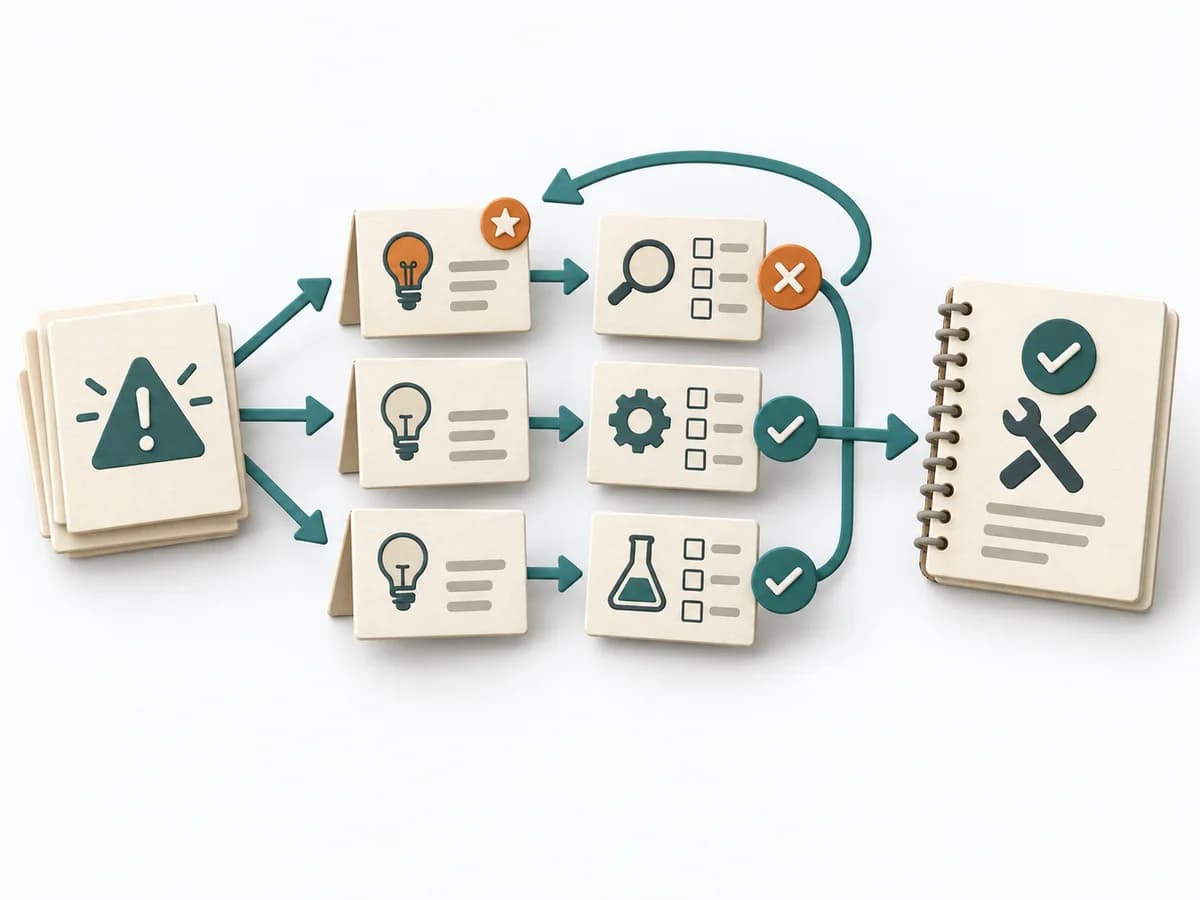 Engineering Hypothesis-Driven Troubleshooting | 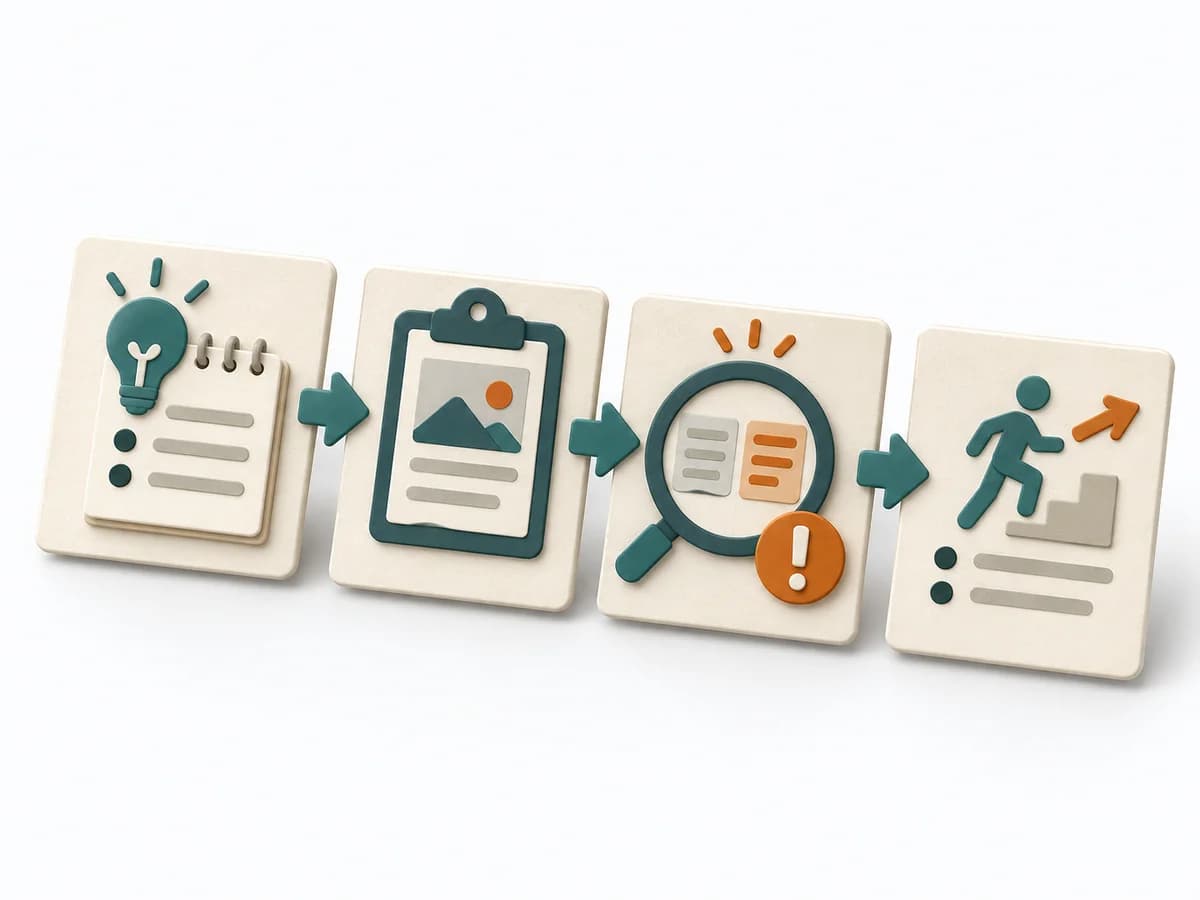 Operations After-Action Review |
|---|---|---|---|---|
Purposedifferent | With a confusing workflow that has many handoffs, the method makes the actual process visible. It shows where work is passed on, delayed, or duplicated, so improvement targets the right spots. | For a complex deviation with several people involved, the method bundles problem, analysis, and decision onto one page. It creates a shared working space where causes, countermeasures, and follow-up fit together. | When systems fail unexpectedly, spontaneous attempts often produce more noise than insight. Hypothesis-driven Troubleshooting translates symptoms into testable assumptions and makes troubleshooting learnable. | After missions or project phases with unclear outcomes, the method makes visible what actually happened and what can be learned from it. It separates course, effect, and causes so experience turns into solid improvement. |
Complexitydifferent | Medium | Medium | Medium | Low |
Timedifferent | 1-3 h | 45-90 min | 30-240 min | 20-45 min |
Participantsdifferent | 3-10 | 2-5 | 1-6 | 3-12 |
Formatdifferent | Workshop | Workshop + async | Workshop + async | Workshop + async |
Outputdifferent | Process Map, Handoff List, Improvement Backlog | A3 Report, Action Plan, Root Cause Analysis | Hypothesis Log, Test Plan, Evidence Notes, Diagnosis Summary | Lessons learned, Action items, Event summary |
Tagsno overlap | ProcessOperationsImprovement | LeanProblem solvingCoachingOperations | TroubleshootingProblem solvingDiagnosis | LearningOperationsImprovement |